- News
- entertainment
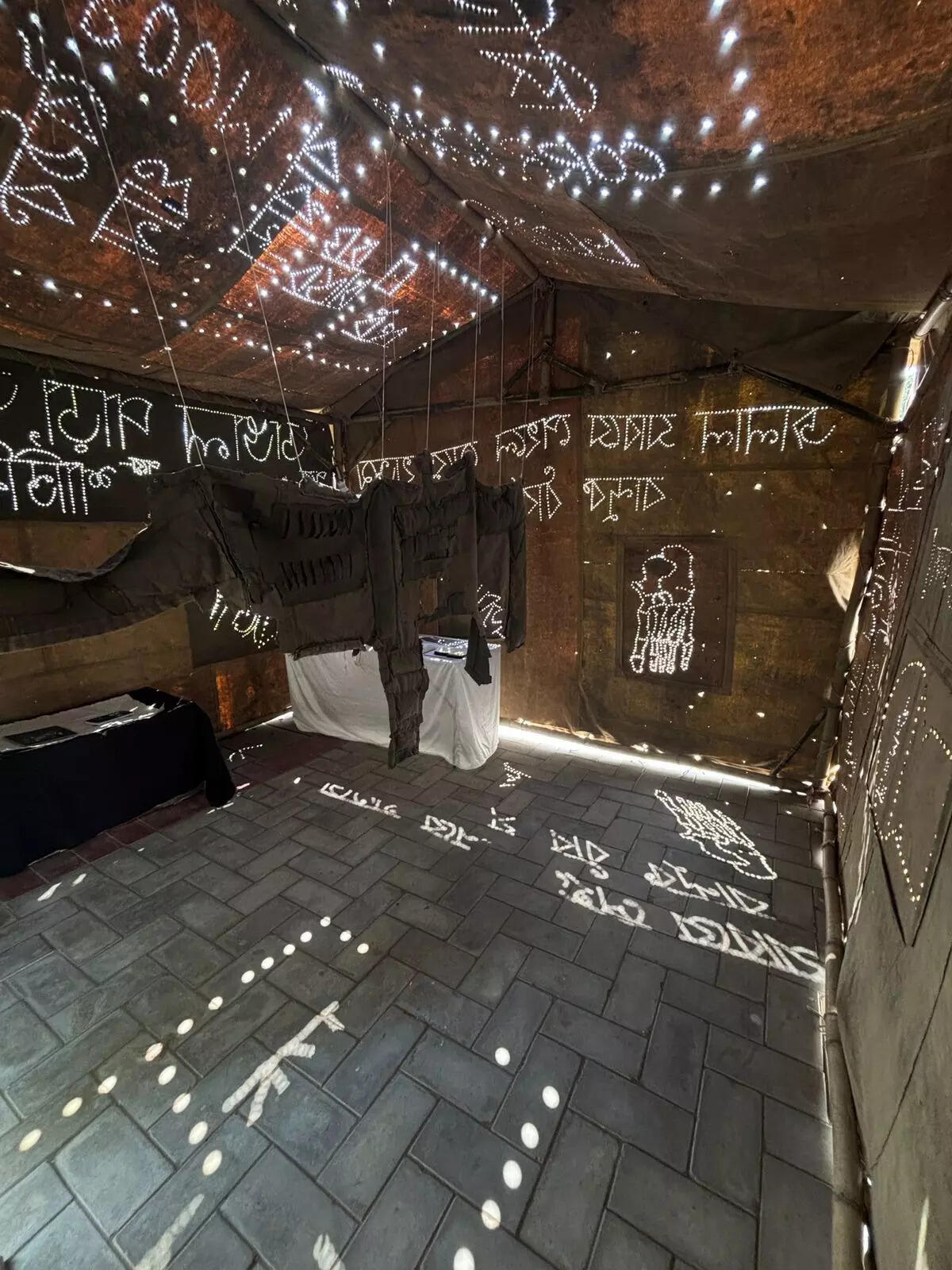
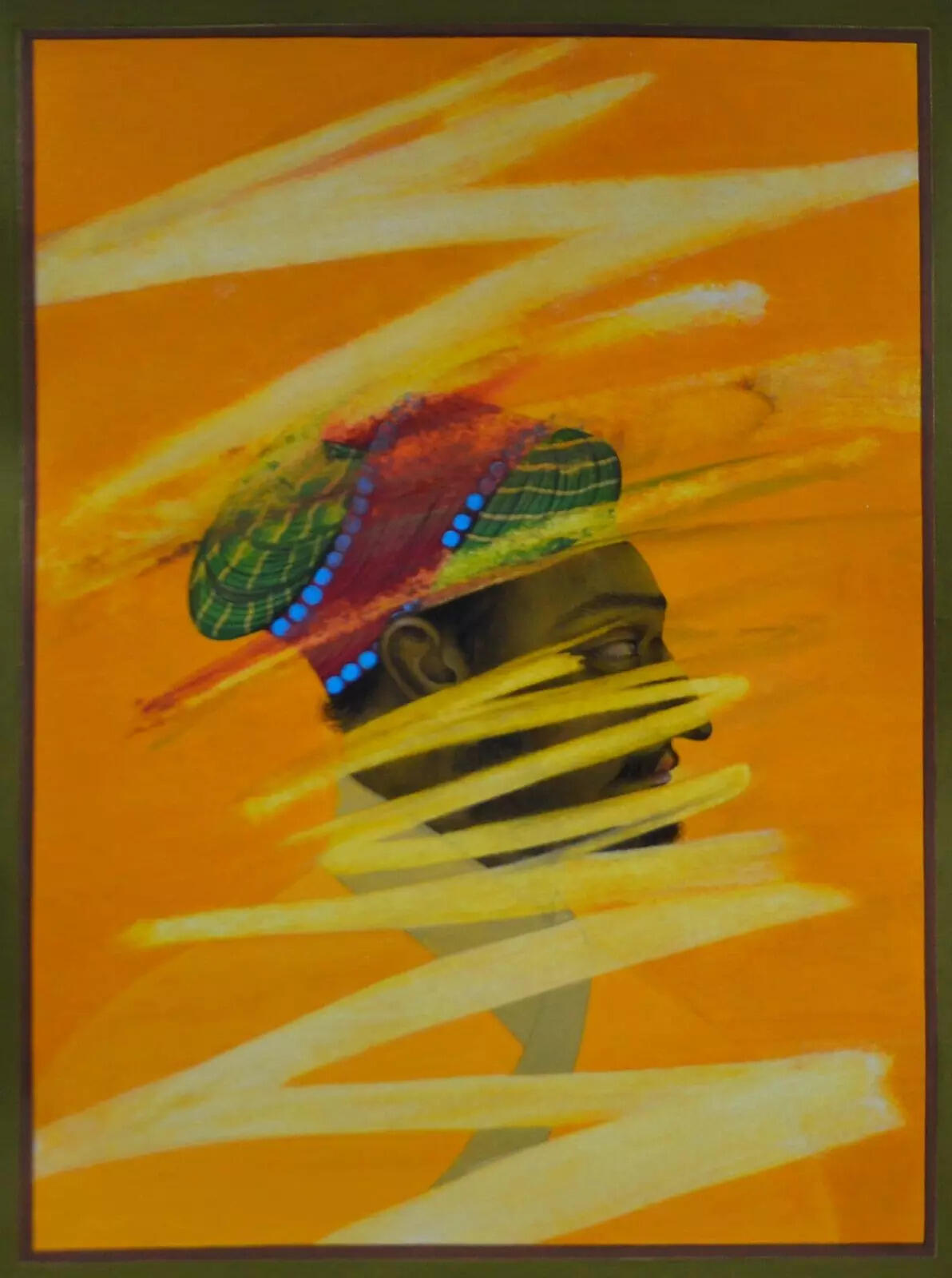
- Art, memory and exchange converge at Myna Mukherjee’s exhibition in New Delhi
Art, memory and exchange converge at Myna Mukherjee’s exhibition in New Delhi

End of Article
Follow Us On Social Media
Tired of too many ads?go ad free now
entertainment videos
Featured In Movies

Tired of too many ads?go ad free now



Hot on the Web
Akshaye KhannaGolden Globe Awards 2026Emraan HashmiBigg Boss Marathi Contestants ListGolden Globes Winners ListPlatoLargest City Of IndiaBaby Girl NamesMakar Sankranti WishesThe Raja Saab Movie ReviewParasakthi CollectionBaby NamesViral VideoMukesh BhattSreeleelaIkkis Box Office CollectionSandeep Reddy VangaJana Nayagan MovieThe Raja Saab Box Office CollectionRailway Stations FoodsOptical illusionSolar Eclipse 2026SivakarthikeyanTu Meri Main Tera Main Tera Tu MeriLal KothiDhurandhar Movie CollectionPreetisheel SinghParasakthi Movie CollectionDhurandhar Movie ReviewMarine DriveWilliam ShakespeareBirds Sleep With One Eye OpenDon't Throw Away Aquarium Water8th January In HistoryTiny Ancient CreatureLongest Venomous King CobraNorthern LightsRichest Men In The WorldMost Punctual Airlines In The WorldMakar Sankranti 2026Tips To Keep Home Warm Without Heater
Trending Topics
Latest MoviesBollywood MoviesHollywood MoviesTamil Movies 2025Telugu Movies 2025Malayalam Movies 2025Kannada Movies 2025Marathi Movies 2025Bengali Movies 2025Top Rated Movies 2025Best Hindi MoviesBest English MoviesBest Telugu MoviesBest Tamil MoviesBest Malayalam MoviesBest Kannada MoviesBest Bengali MoviesUpcoming Hindi MoviesBest Movies Of All TimeBest Hindi Movies of All TimeLatest English MoviesLatest Malayalam MoviesEnglish TV NewsTamil TV NewsTelugu TV NewsMalayalam TV NewsKannada TV NewsMovie ReviewsBhojpuri Cinema NewsGujarati Cinema News
Popular Categories
Viral NewsK Pop NewsWeb Series NewsAnime NewsUpcoming English MoviesUpcoming Tamil MoviesUpcoming Telugu MoviesUpcoming Malayalam MoviesUpcoming Kannada MoviesFashion TipsTravel NewsEntertainment NewsBollywood NewsTollywood NewsKollywood NewsMollywood NewsFood NewsLatest Hindi MoviesLatest Tamil MoviesParenting TipsHome RemediesWeight LossBeauty TipsParenting TipsHindi VideosHindi Video SongsBhojpuri Music VideosLatest Telugu MoviesBhojpuri Music VideoHindi TV News
Latest News
India tests indigenous MPATGM with top-attack capability: Rajnath Singh calls it boost to Aatmanirbhar BharatSamsung announces Republic Day offers on Smart TVs: Free Samsung soundbar, up to 20% discount and other deals not to missDelhi's Yamuna cleaner: Experts flag discrepancies in DPCC data; pollution concerns persistIndia-Germany trade: PM Modi, German chancellor Merz meet CEOs; aim to boost India-Germany economic tiesHimanshu Awasthie: I used to manifest working with Irrfan Khan, he inspired me to become an actorREET Mains 2026 admit card released: Check direct link to download hall ticket hereDrinks to enhance sleepCorporate investors bet big on BollywoodMaruti Suzuki to invest Rs 4,960 crore in Gujarat for major capacity expansionCuriosity Corner: What is the colour of water?Will Smith wants Shah Rukh Khan to cast him in Bollywood film; reveals he had discussions with Salman Khan, Amitabh BachchanA new film revisits Shah Bano — and the change that never cameBreakup over phone? AJ Michalka recalls her split with ex Joe Jonas; here’s how it went downHusband shares wife's old photos from past relationship with his family, Court grants divorce: "Relationship of wife and husband is..."Gurgaon shocker: Teen raped in stadium’s bathroom, hockey coach held; victim became pregnant, had miscarriageIND vs NZ: Ayush Badoni earns maiden ODI call-up as Washington Sundar ruled out of seriesRaghav Juyal vacays in Dehradun, shares cozy family moments ahead of his Telugu debut in ‘The Paradise’‘Bridgerton Season 4’: Will fan-favorites Kate Sharma and Anthony Bridgerton return? Here’s what the book say