
- News
- Education News
- News
- UP government mandates daily newspaper reading in schools: 4 ways the move is set to improve student learning
UP government mandates daily newspaper reading in schools: 4 ways the move is set to improve student learning
UP government mandates daily newspaper reading in schools: 4 ways the move is set to improve student learning
Most school interventions aimed at improving learning focus on curriculum changes or examination reforms. The Uttar Pradesh government’s latest directive takes a different route. It targets a basic classroom habit: daily reading.
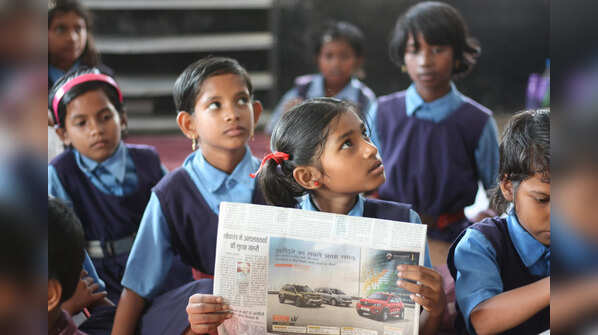
Under an order issued on December 23,2025, all secondary and basic primary schools in the state have been directed to make newspaper reading a mandatory daily activity for students. The initiative, according to the government, is intended to strengthen reading culture and reduce excessive screen time, PTI reports.

What the mandate requires schools to do
The order, issued by Additional Chief Secretary (Secondary and Basic Primary Education) Parth Sarathi Sen Sharma, mandates that at least 10 minutes during morning assembly be set aside for newspaper reading. Schools are required to provide both Hindi and English newspapers through their libraries. During the reading period, students will take turns reading editorials and major developments from national, international and sports news.
The mandate also introduces a daily vocabulary exercise. Five difficult words drawn from newspapers are to be selected and displayed on notice boards as the “word of the day”, with the aim of improving language skills, according to PTI.
Beyond the administrative details, the policy signals a shift in how learning is expected to happen in schools. Here are four ways the move is set to improve student learning.

Strengthening reading stamina and comprehension
Daily exposure to newspapers trains students to read longer and more varied texts than textbooks typically offer. News articles require sustained attention, contextual understanding and the ability to follow arguments across paragraphs. Over time, this builds reading stamina, which is essential for subjects that demand comprehension rather than memorisation.
Unlike syllabus-driven material, newspapers expose students to unfamiliar topics, forcing them to infer meaning, connect ideas and read actively. This directly supports learning across subjects, including social sciences and language studies.
Building vocabulary through use, not memorisation
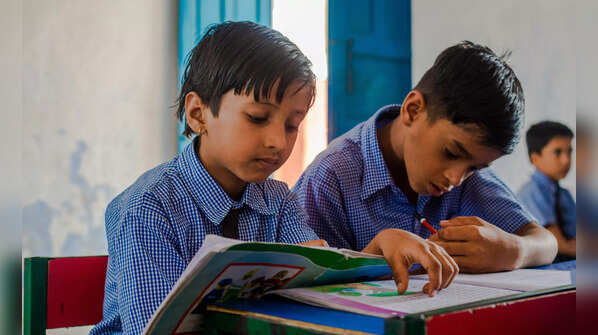
The “word of the day” exercise embedded in the mandate is designed to improve vocabulary through use rather than rote learning. Words encountered in news reports are tied to real events, making them easier to remember and apply.
According to the government, the initiative is expected to enhance vocabulary and general knowledge, PTI reports. Reading newspapers in both Hindi and English also supports bilingual learning, particularly for students who may not encounter formal English outside the classroom.

Supporting critical thinking and news literacy
Newspapers present multiple viewpoints, data-driven reporting and editorials that require evaluation rather than acceptance. Regular engagement with such material helps students distinguish fact from opinion and identify bias.
The government has said the initiative will help sensitise students against fake news, PTI reports. Learning to read news critically at school level lays the groundwork for responsible information consumption, an increasingly important skill in the digital age.

Reducing reliance on screens for information
The directive is part of a broader reading campaign launched on November 2 to curb excessive use of mobile phones and social media among students, education department officials told PTI. By making newspapers a daily habit, schools offer an alternative source of information that does not rely on screens.
Reduced screen exposure during school hours can support concentration and classroom engagement. Reading print material also slows down information intake, allowing students more time to process and reflect on what they read.
How the order fits into a larger reading campaign
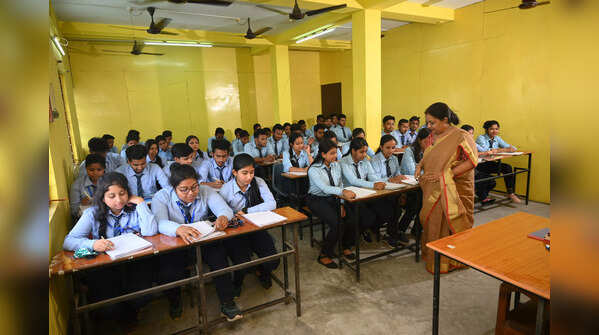
The December 23 order builds on earlier measures introduced under the reading campaign. These include allowing students access to government district libraries, making it mandatory to issue at least one non-syllabus book each week and offering appreciation certificates to regular readers, according to officials quoted by PTI.
Schools have also been encouraged to publish their own newspapers or magazines, conduct editorial-based writing and group discussions for Classes 9-12, and organise activities such as crossword and Sudoku competitions. For younger students, scrapbook-making using news cuttings has been suggested.
The campaign also includes the “No Bouquet, Only Book” initiative, under which books are to be gifted instead of trophies at school functions.

Implementation across the state
Both orders have been circulated to all divisional education officials, district inspectors of schools and basic education officers, with instructions to ensure full implementation across the state, senior officials said, PTI reports.
While the success of the mandate will depend on execution at the school level, the policy places reading back at the centre of learning. In doing so, it shifts attention from screens to text, and from speed to understanding.
Featured In Education

