
- News
- Delhi elections 2015: BJP, AAP face off for middle class
This story is from January 29, 2015
Delhi elections 2015: BJP, AAP face off for middle class
In Rohini, it’s a battle between BJP and AAP for the middle class ballot. Residents of this constituency, carved out in 2008 by the Delimitation Commission, are mostly businessmen or professionals who want development.
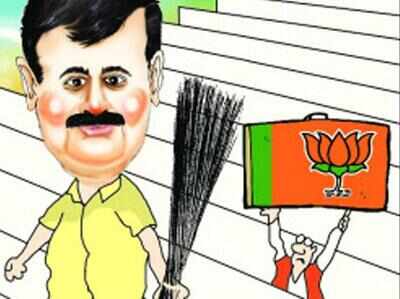
In Rohini, it’s a battle between BJP and AAP for the middle class ballot. Residents of this constituency, carved out in 2008 by the Delimitation Commission, are mostly businessmen or professionals who want development.
A BJP stronghold, Rohini, however, voted AAP’s Rajesh Garg to victory by a margin of less than 2,000 ballots in the last polls. This time, Vijender Gupta has stepped into the fray in a bid to win back his ‘home turf’. AAP has replaced Garg with Punjab Agarwal Sabha president C L Gupta.
“I’ve been councillor here for over a decade. People know me well and are aware that I will deliver,” said Gupta. Gupta lost the election in 2013 from the important New Delhi seat to AAP chief Arvind Kejriwal. Sources said his familiarity with the area and its residents will work in his favour this time.
PM Narendra Modi is scheduled to hold a rally here next month. Rohini is the only constituency in northwest Delhi to have a strong middle-class vote bank so the party’s strategy here is different than other areas. AAPs Sharma is banking on his activist image, higher education plans for Rohini and anti-corruption stance. Congress has fielded Sukhbir Sharma, but the contest seems to be between BJP and AAP.
Rohini has 154 cooperative housing societies and DDA flats. Water supply and power are big issues, and residents want functional streetlights and development of parks and roads. Lack of commuting options is a common complaint. Safety is another issue, especially with many slums located close by. The two villages of this constituency, Naharpur and Rajapur, are still awaiting basic amenities like drinking water, drainage and power supply.
End of Article
FOLLOW US ON SOCIAL MEDIA
Photostories

Hot Picks
TOP TRENDING
Popular Categories
Hot on the Web
Top Trends
Trending Topics
Diwali WishesDhanteras 2024Fake PaneerKarwa Chauth WishesSomy AliVicky Vidya Ka Woh Wala Video CollectionKarwa Chauth 2024Akash AmbaniAvinash MishraBigg Boss 18Kaun Banega Crorepati 16Shraddha KapoorVettaiyan CollectionBougainvillea Movie CollectionJuhi ChawlaLiam PayneTop Load Washing MachinesBest Premium LaptopsIntel LayoffsWordle Answer
Living and entertainment
Latest News
Pics: Hina Khan seeks peace at Haji Ali Dargah during her brave fight against cancerBest Watches for Men To Suit Every Style and OccasionMoody's assigns first-time Baa3 ratings to Bajaj FinanceEldeco: A Legacy of Excellence in Real EstateBigg Boss 18: Avinash Mishra evicted by housemates following major clash with Chum Darang; Eisha Singh and Alice Kaushik left stunnedWhen Ranveer Singh made a hilarious comment on Kareena Kapoor Khan, catching Karan Johar and Anushka Sharma off guardKarnataka NEET UG 2024 mop-up round provisional allotment withdrawn by KEA, revised result to be issued today: Check details hereWhen Deepika Padukone opened up about fame and money in Bollywood; Says, 'It’s easy to get carried away'Taylor Swift plans tribute to Liam Payne after his tragic death during final Eras TourVijay's 'Kaththi' and 'Mersal' re-release postponedKing Charles III's first visit to Australia reignites debate on ending ties to British monarchyHappy Diwali 2021: Best SMS, Images, Wishes, Facebook, and WhatsApp messages to send as Happy Diwali greetingsBigg Boss Tamil 8: VJ Vishal teases Dharsha Gupta over her Cooking, sparks emotional outburstKarwa Chauth moonrise time today, Puja timing and Puja Samagri'Unlikely I am going home': Bangladesh's Shakib Al Hasan on playing farewell Test in MirpurKartik Maas 2024 Start and End Date: Time, Puja Rituals and SignificanceStudent kills self in Kota, 15th this yr'Aaqib bhai, Pakistan cricket ko kya ho gaya?' Gautam Gambhir asked - Watch
Copyright © 2024 Bennett, Coleman & Co. Ltd. All rights reserved. For reprint rights: Times Syndication Service