
- News
- Defence News
- Project Kusha: India’s 400-km ‘Made in India’ missile shield to counter China and Pakistan
Project Kusha: India’s 400-km ‘Made in India’ missile shield to counter China and Pakistan
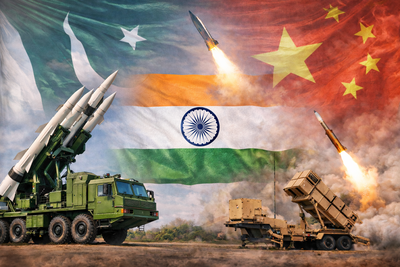

What is Project Kusha?
Three-tier architecture: M1, M2 and M3 interceptors
- M1 interceptor: Approximately 150 km engagement range
- M2 interceptor: Around 250 km engagement range
- M3 interceptor: Roughly 350–400 km engagement range
- Fighter aircraft, including stealth platforms
- Unmanned aerial vehicles (UAVs) and drones
- Cruise missiles
- Precision-guided munitions
- Certain classes of ballistic missile threats
Radars, sensors and network-centric warfare

In this image posted on Feb. 3, 2026, Defence Research and Development Organisation (DRDO) successfully carries out a flight demonstration based on Solid Fuel Ducted Ramjet (SFDR) technology from Integrated Test Range at Chandipur, in Balasore district, Odisha. (@SpokespersonMoD/X)
- Simultaneous tracking of numerous targets
- Automated threat prioritisation
- Coordinated engagements across units
- Reduced reaction time in high-intensity scenarios
Reducing dependence on imports
- Indigenous manufacturing and lifecycle control
- Greater flexibility in deployment
- Potential export opportunities to friendly countries
- Freedom from sanctions-related vulnerabilities
Part of Mission Sudarshan Chakra
- Quick Reaction Surface-to-Air Missiles (QRSAM)
- Very Short-Range Air Defence Systems (VSHORADS)
- Laser-based Directed Energy Weapons
- Indigenous ballistic missile defence (BMD) systems
Integration challenge and cost considerations
- Multi-domain intelligence, surveillance and reconnaissance (ISR)
- Overlapping early-warning and tracking systems
- Reliable command-and-control infrastructure
- Hardened communication networks
- Interceptor batteries across varying ranges
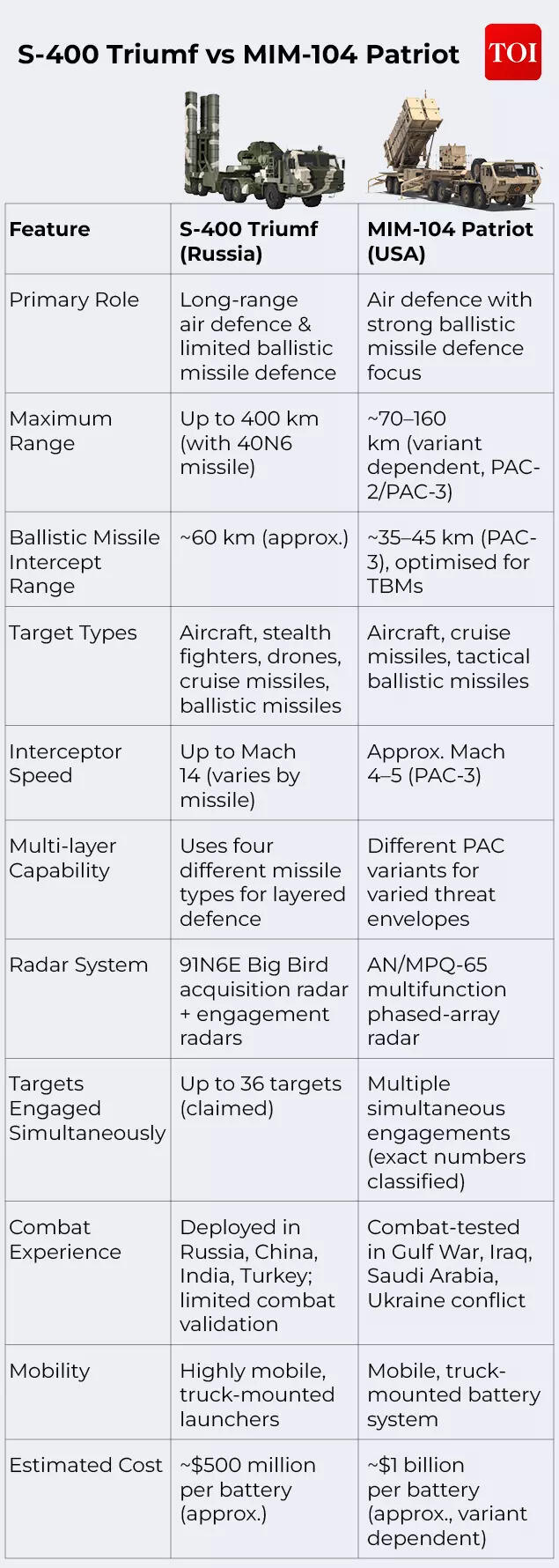
How does Kusha compare with S-400 and Patriot?
Road ahead

About the AuthorTOI News Desk
End of Article
Follow Us On Social Media

Hot Picks
Top Trending
Tired of too many ads?go ad free now
Trending Stories
In Section
Entire Website
- Patrick Mahomes and Brittany Mahomes break records with a million dollar move as he focuses on recovery ahead of next season
- ‘Come identify your child’: Secret dawn drive turns fatal for 6 boys in Bengaluru
- In turnaround, Indian national Nikhil Gupta pleads guilty in Khalistani's murder-for-hire case
- Bangladesh polls: After Hasina, Delhi gears up for new regime in Dhaka; PM Modi dials Tarique Rahman
- Woman’s body found in trunk in Bhopal water tank; live-in partner, mother and siblings held
- DAC allows acquisition of Rafale's SCALP, Russian S400 missiles used in Operation Sindoor
- 'Do not be negative': Hardik Pandya's dressing-room advice that revived Ishan Kishan's career
- Are Brooklyn Beckham and Nicola Peltz being considered for reality TV amid reports involving Kris Jenner and Meghan Markle?
- “They go through hell”: Kayla Nicole posts emotional note after controversial take on Taylor Swift and Travis Kelce’s relationship
- Draft Income Tax Rules 2026 explained: How you can save Rs 1.41 lakh tax outgo - top points on HRA, PAN changes
- Patrick Mahomes and Brittany Mahomes break records with a million dollar move as he focuses on recovery ahead of next season
- ‘Come identify your child’: Secret dawn drive turns fatal for 6 boys in Bengaluru
- In turnaround, Indian national Nikhil Gupta pleads guilty in Khalistani's murder-for-hire case
- Bangladesh polls: After Hasina, Delhi gears up for new regime in Dhaka; PM Modi dials Tarique Rahman
- Woman’s body found in trunk in Bhopal water tank; live-in partner, mother and siblings held
- DAC allows acquisition of Rafale's SCALP, Russian S400 missiles used in Operation Sindoor
- 'Do not be negative': Hardik Pandya's dressing-room advice that revived Ishan Kishan's career
- Are Brooklyn Beckham and Nicola Peltz being considered for reality TV amid reports involving Kris Jenner and Meghan Markle?
- “They go through hell”: Kayla Nicole posts emotional note after controversial take on Taylor Swift and Travis Kelce’s relationship
- Draft Income Tax Rules 2026 explained: How you can save Rs 1.41 lakh tax outgo - top points on HRA, PAN changes
Tired of too many ads?go ad free now



Explore Every Corner
Across The Globe
Kim MeylemansMLB Trade RumorsChris BassittIND vs PAKIndigo Pilot HiringIND vs PAK T20 World CupSuper Bowl CampaignTravis Kelce MotherJosh Morrissey InjuryMyles GarrettWinter Olympics 2026Slovakia Olympic HockeyArizona State UniversityJannik SinnerDarron Lee GirlfriendAuston MatthewsHenrik LundqvistChris Paul RetirementKyle Busch and Samantha Busch Net WorthKayla NicoleNBA All Star Weekend 2026Cardi BBrad MarchandConnor McDavid WifeKendall JennerLawrence BishnoiH 1B Visa RestrictionsHenrik LundqvistIND vs PAK Head to HeadT20 World Cup 2026 Schedule
Hot on the Web
Valentine's Day WishesAnurag KashyapVijay DeverakondaValentine's Day QuotesSalman KhanRajpal YadavShraddhaDhanushBaby NamesValentine Day Gift IdeasGeorge ClooneyInderjeet Singh'O'Romeo' Box Office CollectionSnakes Hiding SpotsSmriti MandhanaGauri KhanPriyanka ChopraKrushna AbhishekPandit Ravi ShankarDrishyam 31987 Dinner MenuMardaani 3 Box Office CollectionSufi Heritage Festival 2026Hair Care TipsBorder 2 CollectionRobert FrostBorder 2 Movie ReviewZodiac SignsFarhan AkhtarTu Yaa Main Movie ReviewToday Gold Rate in ChennaiDelhi Weather TodayDelhi AQI TodayMumbai AQI TodayMaharashtra Public Holidays 2026JPMorganQuote Of The Day By Marie CurieElon MuskRajpal Yadav Car CollectionMG MajestorSamsung Galaxy s26
Trending Topics
Tom BradyRoger FedererUSA vs Netherlands ScorecardTeam USA HockeyKhamzat ChimaevErika KirkUSA vs Netherlands HighlightsBFUHS Staff Nurse Recruitment 2026Suryakumar YadavTravis HeadDrake MayeBangladesh Election ResultsAbhishek SharmaSohaib KhanAuston MatthewsTarique RahmanCardi BNikhil GuptaGurpatwant Singh PannunSheikh HasinaT20 World CupIndia vs PakistanPOSH Act ImplementationBad BunnyGabriella CarvalhoJannik SinnerOmar AbdullahSheikh HasinaTaylor SwiftStefon DiggsChhattisgarh HCKerala womanNoida techieMahbubnagar municipal corporation resultsMaharashtra pharmacy distributorKarnataka school headmasterGujarat murderDelhi UniversityCM Himanta Biswa SarmaHow to watch ICC T20 World Cup 2026 in USAHow to watch ICC T20 World Cup 2026 in CanadaHow to watch T20 World Cup online in India
Popular Categories
HeadlinesSports NewsBusiness NewsIndia NewsWorld NewsBollywood NewsHealth+ TipsIndian TV ShowsTechnologyTravelEtimesHealth & FitnessHow to watch T20 World Cup OnlineIndia vs Pakistan MatchAstrologyAutoWeather TodayGold Rate Today DelhiSilver Rate TodayPlatinum Rate TodayIs Bank open todayBank Holidays in February 2026Public Holidays in February 2026DeorhiTechnology NewsInternational SportsPublic HolidaysBank HolidaysT20 World Cup Squad IndiaT20 Wprld Cup Squad
Trending Videos
Dance, drums and fun! Team India land in Colombo | Hardik Pandya with Mahieka Sharmaindia arrival-PM Modi Opens Kumar Bhaskar Varma Setu, Rs 3000 Crore Bridge Cuts Guwahati Travel Time To 7 MinutesSupriya Ganesh Calls Michael Kors Moment Surreal After ‘The Pitt’ Breakout | WatchPKG RUBIO SKIPS UKRAINE MEET IN MUNICH-_1Pune: PMPML E-Bus Catches Fire, Rajya Sabha Mp Seeks Job Help, High Risk Surgery For Infant And MoreSupriya Ganesh Calls Michael Kors Moment Surreal After ‘The Pitt’ BreakoutSupriya Ganesh Calls Michael Kors Moment Surreal After ‘The Pitt’ Breakout'Global South To Decide Next World Order': Stubb And Rubio Signal Shift, Echoe India's World ViewNagpur: Fresh Rafale Fleet In Assembly, UBT Betrayal Claim, Ajni Traffic Link Road Plan and MorePatna: 15 Minor Girls Rescued, 2 Bihar Ministers Nominated, Gnm Nurse Found Dead And MoreBella Ramsey Reveals Tear Stick Secret Behind Emotional Crying Scenes | WATCHUS Preparing For Sustained Ops Against Iran; Bombshell Claim As Trump Deploys USS Gerald FordNagpur: Fresh Rafale Fleet In Assembly, UBT Betrayal Claim, Ajni Traffic Link Road Plan and MoreGoa: ISL Club Faces Relegation, Dabolim Airport To Continue Civil Use, Luthras Case and More'New World Order Emerging, India Ready To Lead As Global Growth Engine', Says PM Modi At ET SummitObama Era Lawyer Kathy Ruemmler Rocked As Epstein Message Resurfaces | WatchFrom Bollywood Queen to Starting From Scratch: Priyanka Opens Up on Risky Leap Lucknow: UP'S New Identity, Akhilesh On Mafia, Samajwadi Party On 2027 Polls And More
Latest News
Our film production company will back people with real talent: Saran Vel JayaramanWhen China declared war on sparrows and triggered history’s deadliest famines that no one expected'Shared commitment to peace, stability': Bangladesh's BNP thanks PM Modi for wishes after victory in elections₹46,000 for two nannies? Bengaluru mom’s parenting choice sets off a heated debate online'Show that PM cares': Congress books flight tickets for PM Modi to visit Manipur'Kombuseevi' OTT release date: When and where to watch the Sarath Kumar and Shanmuga Pandian starrer online?Celebratory firing at baraat kills Sagar family’s 15-year-old sole breadwinnerSamantha Ruth Prabhu - Raj Nidimoru to Nupur Sanon - Stebin Ben: Stars celebrating their first Valentine’s Day after weddingA new device that finds 'hidden eggs' could improve IVF resultsAfter divorce with Natasa Stankovic, Hardik Pandya gets new tattoo for girlfriend Mahieka Sharma: Their relationship journey (so far)India vs Pakistan: Pakistan prep Usman Tariq for date with destinyHighways as runways: Why Northeast’s first emergency landing strip is a message to ChinaRail safety: Spending triples to Rs 1.17 lakh cr in FY26; Kavach expanded, CCTV rollout scaled up10,023 new medical seats cleared; cost per seat raised to Rs 1.5 croreWhat is Mangal Dosha? Ways to reduce the impact?From considering retirement at 28 to topping T20 World Cup 2026 wicket tally: Shadley van Schalkwyk’s second act‘Gold bars’ at Saudi wedding? What looked like 24-carat gifts was something else'Cannot pretend judges are perfect': CJI Surya Kant calls for humility and reform in judicial education
Copyright © 2026 Bennett, Coleman & Co. Ltd. All rights reserved. For reprint rights: Times Syndication Service