

Iran’s cluster bombs: The weapon that splits in the sky and rains explosives over wide areas
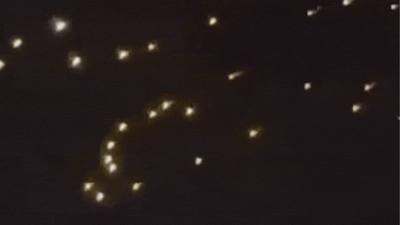

Iran’s cluster bombs
What are cluster bombs ?
Key features of cluster bombs
- Cluster munitions are designed to hit multiple targets at once. When the warhead bursts open, dozens of bomblets scatter over a large area, increasing the chances of damaging vehicles, infrastructure or troop formations.
- The main missile or bomb breaks apart at high altitude, releasing smaller explosives that fall across a wide radius before detonating.
- Because the bomblets spread over a broad area, they cannot precisely distinguish between military and civilian targets. This has drawn strong criticism from humanitarian groups.
- Cluster warheads can also complicate missile defence systems. Instead of intercepting a single incoming object, systems such as Israel’s Iron Dome or Arrow must track and attempt to stop multiple falling submunitions at once, increasing the chance that some may slip through.
- One of the most serious risks comes from bomblets that fail to explode on impact. These unexploded submunitions can remain on the ground like hidden landmines, posing long-term threats to civilians and emergency responders even years after a conflict ends.

About the AuthorTOI World Desk
End of Article
Tired of too many ads?go ad free now
Arsenal
- Missiles
- Tanks
- Guns
- Submarines
RS-28 Sarmat Satan II
Missiles
- RS-28 Sarmat Satan II
Russia
- Trident II D5
USA
- LGM-30G Minuteman III
USA
- RS-24 Yars
Russia
- M51.3
France
- Agni-V
India
- Hwasong-17
N. Korea
- RT-2PM2 Topol-M
Russia
- Julang-2
China
- Agni-V
India
- Agni-P
India
- K-4
India
- BrahMos
India
- Pralay
India
- Nirbhay
India
- Astra Mk2
India
- MR-SAM
India
Russia

Missile
RS-28 Sarmat Satan II
Service Start
2023
Service End
Present
Range
18000 km
Defence Videos


ON CAM: Iran BOMBARDS Tel Aviv, Jerusalem With Cluster Bombs As Missiles SMASH Air Defences | WATCH

After Venezuela, Trump To Pick Iran's New Ruler? President Drops Big Hint On Khamenei's Successor

U.S. Launches Another 'WAR' After Iran; Military Ops Begin In Latin American Nation On Trump Orders
Defence News

Defence |2 hours ago
Iran’s cluster bombs: The weapon that splits in the sky and rains explosives over wide areas
Defence |2 hours ago
The weapon that killed Khamenei came from 'space': How Israel’s Blue Sparrow missile struck Iran
Defence |3 hours ago
Ukrainian drone targets civilians at grocery store in Russian-occupied Kherson town; two killed