
Trending
This story is from October 15, 2017
In hands of Pune-based foundation, a wildlife reserve thrives near Jejuri
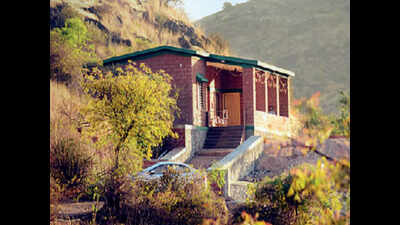
The Ela Centre for Ornithology and Research.

The foundation aspires to preserve water for the dry seasons and help fauna survive in a sensitive ecological area, located at the cusp of the Sahyadris and Deccan Plateau. The state forest department chipped in with permissions and even started sending its staff to the habitat for training. Three years on, the stakeholders find the results quite satisfactory. From involving local villages and communities, to taking up bee-keeping and running a one-of-a-kind facility across the country, to looking after the population of various species of birds -the complex is a repository of sorts for a substantial number of flora and fauna species.
“We have the only constant effort site in India, as per the norms of British Trust for Ornithology , where bird ringing and tagging is done on a regular basis, along with disease monitoring, migration studies, physiology and ecological studies, bio-acoustics and ethno-biology ," said Suruchi Pande of the foundation. In addition, Suruchi looks after an ornithology facility in Pune, which is run out of the Abasaheb Garware College.
The Jejuri premises also hosts a training centre where attendees are sensitized towards conservation and monitoring diseases, which has bro ught them in contact with various government agencies.“The state forest department has permitted us to conduct faunal studies and we're working on a house sparrow-assisted breeding and conservation project with them.Apart from them, we are working with the National Institute of Virology to monitor bird flu in wild and migratory birds,“ Satish added.
The foundation claims coo peration and participation of the villages located in the vicinity of the habitat. The staff provides training on techniques of constructing nest boxes and grain paper bags.
So far a number of endemic owl species have been spotted at the facility. “We have documented over 130 species of birds at Ela Habitat. We are continuously recording new species, such as the Eurasian Wryneck, Crimson Sunbird, Indian Eagle Owl, etc, and a few endemic species like the Rock Bush Quail and Mottled Wood Owl," Satish informed.
End of Article
FOLLOW US ON SOCIAL MEDIA





Hot Picks
TOP TRENDING
Trending Stories
In City
Entire Website
- 'We were treated like slaves, made to work for 15 hours a day': Tricked into Ukraine war, 3 from Karnataka return home
- 'My father was on the flight': Jaishankar opens up about 1984 Air India hijack
- Airtel CEO Gopal Vittal sends letter to Reliance Jio, Vodafone-Idea, Tata Tele and BSNL CEOs; here's what he said
- Prince Harry to celebrate 40th birthday away from Meghan Markle
- Haitian immigrant pet-eating row: Ohio woman accused of eating cat is US citizen, video is not from Springfield
- Kejriwal out of jail; 'CBI arrest only to frustrate ED case bail': SC judge
- Donald Trump reveals what Laura Loomer is to his campaign: 'I don't control her'
- Hamster Kombat Daily Cipher Codes and Combo Cards for September 14, 2024: Unlock up to 1 million coins
- Laura Loomer's photo with Donald Trump viral. People ask where's Melania, where's wedding ring
- Garena Free Fire MAX redeem codes for September 13: Win in-game goodies and rewards
- 'Goodwill gesture': Doctors as Mamata visits protest site in 'last attempt' to resolve crisis
- No party more dishonest and deceiving than Congress: PM Modi in Haryana
- No driver, no haggling, Mumbai’s BKC aims for friendliest taxi service
- Fugitive Zakir Naik misleads Muslims on Waqf bill. Minister hits back
- 'Water reached tomb of Shahjahan': After heavy rain, leakage at Taj Mahal
- Diljit Dosanjh cryptically reacts to sarcastic video on his expensive concert tickets
- Did doctors make a mistake in making Mamata wait for two hours?
- Noida woman loses Rs 27 lakh in SIM card 'hacking': Big mistake she made
- 'If Iyer is thinking he is similar to Kohli...': Basit Ali
- 'My father smeared Tiger's blood on my lips': Yograj

Popular Categories
Hot on the Web
Top Trends
Trending Topics
Korean TeaSector 36 ReviewGreen Apple BenefitsPriyanka Chopra TattooKottukkaali OTT ReleaseNational Parks In IndiaGhaziabad Juice SellerGOAT CollectionSudha MurtyMalayalam ProducersIndia's Best Dancer 4Simi GarewalDilli BabuIndian National ParksLaung BenefitsVikas SethiApple iPhone 16Donald TrumpAadhar Card Update By Sept 14Wordle Answer
Living and entertainment
Latest News
Kaun Banega Crorepati 16: Can you guess the answer for this Rs 3,20,000 question on Navy, which contestant Naman Jain incorrectly answered?Edible oil import duty hiked by 20%'Calling all Swifties for Trump': Donald's new campaign merch imitates Eras Tour shirtsWWE Hall of Famer Watches 15 Hours Of Wrestling Each WeekDallas Cowboys Set to Defend AT&T Stadium in Week 2 Clash with New Orleans SaintsTovino on training for Kalaripayattu in ‘ARM’: I practiced every single day, even if I had a hectic day on set8 animals that reproduce without matingDelhi Police Files FIR for Firecracker Celebration Outside CM Kejriwal's ResidenceThrowback: When Alia Bhatt responded to insecurity questions about Ranbir Kapoor, shut down gossipIndia's T20I captain Suryakumar Yadav turns 34: A glimpse into his stellar T20 career'Forgive me, I don't belong ...' : Tamil Nadu hotelier's apology to FM Nirmala Sitharaman over GST remark triggers political rowRakul Preet Singh reveals Bollywood stylists charge from Rs 15000 to Rs 1 lakh for one event, one outfit: 'Living in Mumbai requires a lot of PR'September 14, 2024: Flying creatures and how their wings workThrashed for 'molesting' kid on train, rail staffer diesKejriwal walks out of jail, says morale is up by 100 timesDhruv Kapila's health setback shatters Indian pair's Vietnam Open semifinal hopesFormer Titans Cheerleader Danielle Sekelsky Begins WWE NXT Training"Birthday aapka hug aur paari I am getting...": Tahira Kashyap pens adorable b'day wish for hubby Ayushmann Khurrana
Copyright © 2024 Bennett, Coleman & Co. Ltd. All rights reserved. For reprint rights: Times Syndication Service