
Trending
2 PMs & 2 Maharashtra stalwarts at Marathi lit meet 71 years apart
Prime Minister Narendra Modi inaugurated the Akhil Bharatiya Marathi Sahitya Sammelan in Delhi, making him the first PM to do so since Maharashtra became a state. This 98th edition highlights Modi's significant involvement and showcases Marathi literature and culture on a national level.
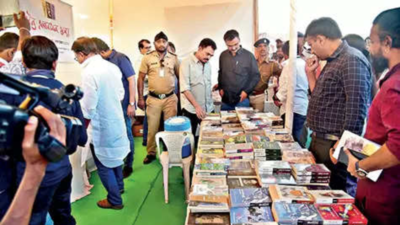
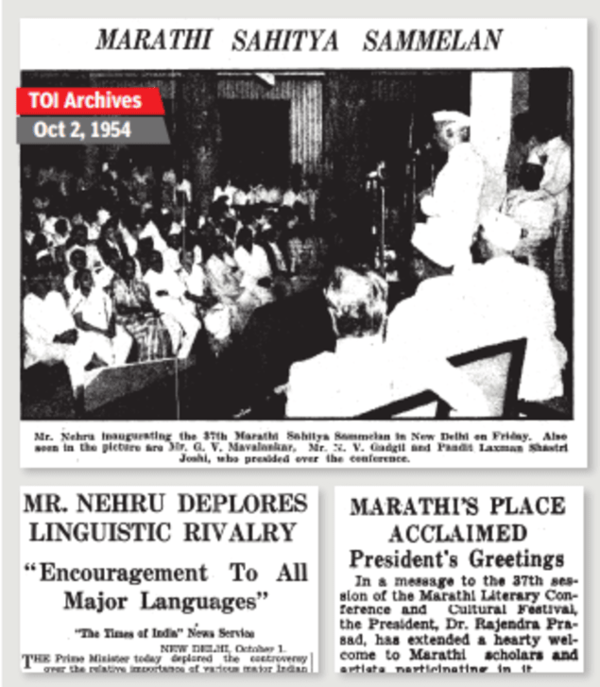
He will be the first PM to inaugurate the annual literary meet since the formation of the state in 1960 and the second after Jawaharlal Nehru to inaugurate the prestigious event.
The event is the first sammelan after the Union govt made Marathi a "classical language" in October 2024, following sustained efforts by Marathi language lovers.
Former PM P V Narasimha Rao spoke in chaste Marathi at the 76th sammelan in Karad in 2003.
On Friday, PM Modi will address literature enthusiasts in the presence of veteran politician from Maharashtra, NCP (SP) chief Sharad Pawar, chairman of this year's reception committee.
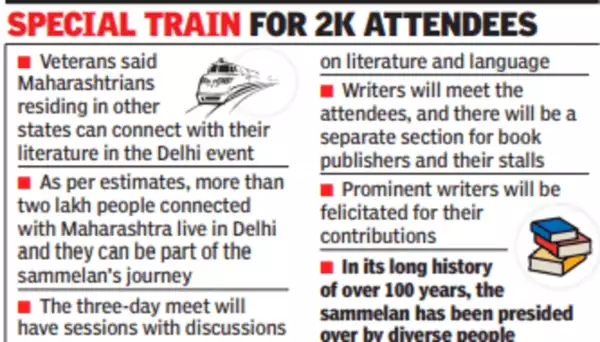
The three-day conclave from Feb 21-23, which is returning to Delhi after 71 years, will not only witness the presence of writers and authors from Marathi literature but also from other Indian languages.
Eminent author Tara Bhawalkar, who writes on folk literature, folk culture, tradition and folk art, drama research and sant literature, is the president of the 98th sammelan.
She said that Marathi writing saw women's participation only after the 1970s when they began to express themselves. Bhawalkar added that women have been putting forth their independent opinions through a long tradition of oral narratives. "Examples of this have been poems by women sants. Though they didn't know how to read and write their oral narratives were revolutionary," she said.
Members of Pune-based organisation Sarhad which has organised the 98th edition of the sammelan said that there is a sense of pride in holding this historic event in the country's capital, as it is an opportunity to showcase Marathi literature and culture on the national platform.
Sarhad's chief Sanjay Nahar said that it is not a "political event," though Modi and Pawar will be at the inaugural session. Pawar has a long association with Marathi literature and has been active in Delhi's political circles for many decades, he added.
After Pawar took over as chairman of the reception committee, he invited Modi who agreed. Nahar said, "Maharashtra has a special connection with Delhi for centuries. Talkatora Stadium where the meet will be held was the base camp for the Peshwas during their north India campaigns. In recent history, many politicians from Maharashtra have played key roles in Delhi's political circles. We are looking forward to the literary meet as a platform to take Marathi literature to the national level and showcase Maharashtra's rich cultural base and progressive thoughts."
Since its inception in 1878, this literary meet has been held at various locations in the state and outside where it has always garnered a huge response. The event missed several years; hence this year is the 98th sammelan.
Its 145-year legacy has been carried forward by many stalwarts. Social reformer Mahadev Govind Ranade was the first president and prominent personalities, including Laxmanshastri Joshi, P K Atre, Vasant Kanetkar, Go Ni Dandekar, Pu La Deshpande and Vyankatesh Madgulkar followed him.
Nahar said, "The sammelan has always been a 'successful event' because stalwarts who attended guided society with progressive thoughts. The events have social messages and a rich Marathi culture."
Many sammelan presidents have touched upon social messages and progressive thoughts. Hence, the sammelan has connected people to literature and books and raised social and contemporary issues, Marathi literature follower Vilas Patil said.
The demand for "classical language" for Marathi was raised at a sammelan. It has also highlighted the agrarian crisis, farmers' suicides, supported Marathi schools and writers and freedom of speech, said Pune-based artist Chaitanya Kulkarni.
Stay updated with breaking news, weather updates, bank holidays and upcoming public holidays in march.
End of Article
FOLLOW US ON SOCIAL MEDIA
Visual Stories




Photostories

Hot Picks
TOP TRENDING
Explore Every Corner
Across The Globe
Wayne GretzkyOsamu NishimuraDamian LillardAaron JudgeMel Kiper JrSidney CrosbyAnthony EdwardsNBA Halftime ShowDenver Nuggets vs Detroit PistonsHow to Play Monster HunterTaylor SwiftGTA 6 Dev Teases 2025 ReleaseGTA 6 Female ProtagonistSydel CurryHarry Potter QuotesAnthony EdwardsWWE Elimination Chamber 2025GTA 5 Cheat Codes ListShedeur SandersTravis KelceJa MorantTrump Zelensky MeetingKevin DurantDarius GarlandBank HolidaysShaquille O NealChampions Trophy Points TableBank Holidays in MarchChampions Trophy ScheduleICC Champions Trophy Live Streaming
Hot on the Web
Kiara Advani Pregnancy NewsRamadan 2025 DateKing CobraIbuprofen GuideRamadan 2025 WishesRamadan 2025Tanmay BhatRamadan Wishes 2025GovindaSunita AhujaVitamin D FoodsRanveer AllahbadiaSandeep Reddy VangaOptical IllusionGinger Turmeric Tea BenefitsCloves BenefitsUttam MohantyMere Husband Ki Biwi CollectionChhaava Box Office CollectionChhaava Movie ReviewAshwagandha for Hair GrowthChum DarangUnique AnimalsBig Cat Safari DestinationChickpea Curry RecipeSadhguru Diet HabitsSummer GardeningAnimal SpeedstersAnimals for Good LuckUS National Parks
Trending Topics
Whatsapp DownCam NewtonJoe BurrowNBA Buyout RumorsTravis HunterIndiana Pacers vs Miami HeatStephen CurryChad JohnsonVictor Wembanyama Net WorthJeff SchennMichael JordanAlex OvechkinConnor McdavidAnthony DavisTravis KelceMike JohnsonNyt StrandsNyt ConnectionsNBA Buyout RumorsKing Legacy CodesDa Hood CodesWordle HintsNvidiaIsaiah BondTyrese HaliburtonPune Bus RapeJimmy ButlerChampions Trophy Points TableChampions Trophy ScheduleICC Champions Trophy 2025 Live Streaming
Popular Categories
HeadlinesSports NewsBusiness NewsIndia NewsWorld NewsBollywood NewsHealth+ TipsIndian TV ShowsTechnologyICC Champions TrophyIPLTravelEtimesHealth & FitnessHollywood NewsWeb SeriesWWEUS NewsNFLHow to watch IPL 2025How to watch IPL in CanadaHow to watch IPL in USACBSETechnology NewsInternational SportsAstrologyPublic HolidaysBank HolidaysIndia vs New ZealandWeather Today
Latest News
Satellite-based tolling may be delayed due to privacy & data security issuesWill LeBron James play tonight against the LA Clippers? Latest update on the Los Angeles Lakers star's injury report (February 28, 2025)'He can come back when he is ready for peace': Zelenskyy leaves White House after Trump cuts short talks after Oval Office blow upPeople hospitalized for COVID-19 may face increased risk of death, study revealsCops step in, shield Kerala kiln owner from union troubleDak Prescott shares a heartfelt moment with fiancée Sarah Jane Ramos after marking a major milestoneAs its rift with US widens, EU seeks no-limit ties with India3-year-old may have provoked sexual assault, says collector, shunted outRetain interest rate at 8.25% for current FY: EPFO board75-yr-old dies in bee attack on yajnaElimination Chamber Weekend to Kick-off with a WWE Nissin Foods Partnership AnnouncementIs your high-protein diet making you fat?Los Angeles Lakers - Best Defense in NBA: Lebron James Showcases His Versatility in the Changing Landscape of the TeamShark Tank India 4: Aman Gupta questions Jaipur-based baby essentials founders for choosing Vineeta Singh over Ritesh Agarwal; Vineeta jokes, ‘Tum Kyu Phut Daal Rahe Ho?’22 missing after avalanche buries BRO camp in Uttarakhand"Keep him out": Aaron Rodgers’ potential move to the New York Giants sparks a controversial debate'President's team was scared to death': Biden's aide admits administration covering up concerns over his age and healthMika Singh recalls gifting Shah Rukh Khan, Amitabh Bachchan and Gurdas Maan a Rs 50 lakh diamond ring, shares secret moments from Hrithik Roshan's birthday bash
Copyright © 2025 Bennett, Coleman & Co. Ltd. All rights reserved. For reprint rights: Times Syndication Service