
- News
- City News
- patna News
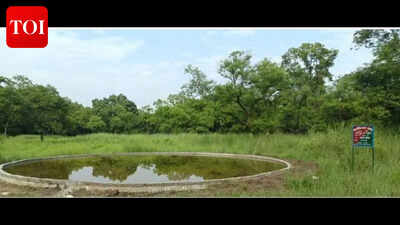
- VTR ensures water supply at 33 artificial waterholes amid soaring temperatures
VTR ensures water supply at 33 artificial waterholes amid soaring temperatures

About the AuthorDilip Kumar
End of Article
Follow Us On Social Media
Hot Picks
Top Trending
Tired of too many ads?go ad free now
Trending Stories
In City
Entire Website
- 9 members of a family, including 6 children, dead as car falls into water-filled well
- A land that floats, a deer that ‘dances’: Inside world’s only floating national park, Keibul Lamjao in Manipur
- FSSAI files FIR against social media handles of influencers, claims bid to harm reputation with online posts
- ‘I decided not to contest’: Annamalai breaks silence on ‘denied ticket’ speculation
- 'Scared of PM Modi?': AAP corners Raghav Chadha
- Bengaluru’s Mehkri Circle set for a traffic reset with 1.6km elevated flyover
- Government moves to end toll waiver on ID display; no cash at booths from April 10
- EC: 500 cos of central forces to stay on in Bengal after results
- Andhra Pradesh go vt employee raped, rod inserted in pvt parts
- Tamil Nadu election 2026: Congress releases candidates’ list, renominates 12 out of 18 sitting MLAs
- US-Israel-Iran War News Live Updates: 'Can’t comment, hope that’s not going to happen' — Trump on missing pilot reports in Iran
- GT vs RR Live, IPL: Ravi Bishnoi shines as RR beat GT by six runs in last-over thriller
- DC vs MI Live Score, IPL 2026: Bosch breaks partnership, removes Rizvi
- IPL 2026, DC vs MI: Why is Hardik Pandya not playing vs Delhi Capitals?
- 'Ghayal hoon isliye ghatak hoon': Raghav Chadha tears into AAP allegations with Dhurandhar reference
- '2 abortions, desire for son, pool of bodies': Chilling details in Telangana triple murder
- Virat Kohli’s cheeky response to ‘overseas player’ taunts shuts down London trolls
- Bengaluru’s Mehkri Circle set for a traffic reset with 1.6km elevated flyover
- IPL match today, DC vs MI: Team prediction, head-to-head, pitch report, Delhi weather update
- 9 members of a family, including 6 children, dead as car falls into water-filled well
Tired of too many ads?go ad free now



Explore Every Corner
Across The Globe
Israel Iran WarRadhav Chadha vs Bhagwat MannLPG Gas Shortage NewsMadras High CourtStephen CurryDelhi Capitals vs Mumbai Indians Match ScorecardMI vs DCGujarat Titans vs Rajasthan Royals Match ScorecardTelangana MurderGT vs RRRuturaj GaikwadShreyas IyerMI vs DC IPL 2026Karnataka 2nd PUC resultJapan PHD ScholarsIPL Match TodayChennai Super Kings vs Punjab Kings Match Match ScorecardShreyas IyerVirat KohliPSEB 8th Class Result 2026Karnataka High CourtRadhav ChadhaMP Board ResultIran US WarJorge JesusWWE Smackdown HighlightsIPL2026 Points TableIPL 2026IPL Schedule 2026IPL Schedule

Hot on the Web
Aditya DharSalman Khan HouseRanbir KapoorParineeti ChopraFriday OTT releases of the weekMaamla Legal Hai Season 2 ReviewLeader CollectionHair RegrowthEarthquakeRamayanaVegetarian Friendly CountriesDhurandhar 2 Box Office CollectionTarun Mishra StoryModi Tea StallChef Sanjeev KapoorNuclear And Space ScientistsRaghav Chadha HomeYashDhurandhar 2 ReviewGame Of ThronesUstaad Bhagat Singh CollectionNithya Menen HomeMark TwainAmitabh BachchanDhurandhar 2 CollectionSummer Hair GrowthMovierulzAadu 3 Box Office CollectionHoroscope TodayIndian Railways New RulesToday Gold Rate in ChennaiDelhi Weather TodayDelhi AQI TodayMumbai AQI TodayMaharashtra Public Holidays 2026Realme 16Apple iPhone 18 ProArtemis II Toilet TroubleGarena Free Fire MAX Redeem CodesArtemis II Toilet TroubleBasketball Zero Codes
Trending Topics
KL RahulHardik PandyaAbhishek SharmaNCERTIGNOU January 2026 AdmissionYuvraj SinghGautam GambhirLOTUS Programme 2026Digvesh RathiTiger Woods ArrestPBKS vs CSKCM Bhagwant MannVijayawada Govt Employee Rape CaseIAS Rohini Sindhuri ScamGhaziabad ShootoutRaghav ChadhaNashik Car AccidentKhusbaz Singh Jatana AccidentStephen CurryPokimaneTravis KelceClavicularKansas City ChiefsLas Vegas RaidersTed BundyScott MillsTaylor SwiftJonathan LucroyiShowSpeed babyLuigi MangioneVinfast Mpv 7Deloitte HiringBoris ChernyOracle LayoffsClaude Source Code LeaksMustafa SuleymanSundar PichaiArtemis iiScience NewsHow to watch ICC T20 World Cup 2026 in USAIPL 2026IPL Schedule 2026
Popular Categories
HeadlinesSports NewsBusiness NewsIndia NewsWorld NewsBollywood NewsHealth+ TipsIndian TV ShowsTechnologyTravelEtimesHealth & FitnessAstrologyInternational SportsDeorhiTechnology NewsAutoWeather TodayGold Rate Today DelhiSilver Rate TodayPlatinum Rate TodayIs Bank open todayVirat Kohli IPL StatsHardik Pandya IPL StatsBank HolidaysPublic HolidaysBank Holidays AprilPublic Holidays AprilAries HoroscopeGemini Horoscope
Latest News
Shun substance abuse, use tech for nation-building: VPRadhakrishnan visits Gandhi AshramNon-compliance by NIO, depts delays coastal zone management plan“NFL is a joke”: Fans erupt after Rashee Rice escapes NFL punishment amid lawsuitGU signs MoU with GIPARD, Mundgod Tibetan monastery<b></b>'Not a question of black or white, but whether I was good enough on court'Recognise pillory as only surviving sign of Inquisition: VelingkarAJP’s Kunki files FIR over AI videoMining Blamed as 60 Goats Die in Hazaribag; Villagers Demand JusticeClean up polluted feeders to save Sal river, urge citizensED files PMLA plaint against dismissed ACS officer in assets caseIOCL flags manual deliveries; suspends 5 LPG distributors‘Not Kashmir!’ Bikaner looks snow-white after rare hailstorm, internet can’t believe itAssam’s football icon Gilbert Sangma passes away at 71How the world deals with phones in schoolsTitabor braces for four-way fight, BJP & Cong field fresh faces in Tarun Gogoi's old bastionArunachal CM Pema Khandu bats for BJP’s Manab Deka in LakhimpurCM rallies Nazira, hints at 63 new seats under women’s quota
Copyright © 2026 Bennett, Coleman & Co. Ltd. All rights reserved. For reprint rights: Times Syndication Service