
- News
- City News
- mumbai News
- Rs 6,700 crore project: How 'missing link' will improve Mumbai–Pune connectivity
Rs 6,700 crore project: How 'missing link' will improve Mumbai–Pune connectivity
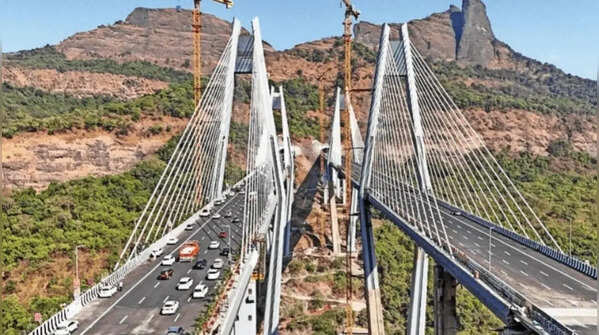
Missing Link Opens on Expressway
The long-awaited 19.8 km stretch on the Mumbai–Pune Expressway has been inaugurated, improving connectivity between the two cities and marking a major milestone in Maharashtra’s transport infrastructure development.
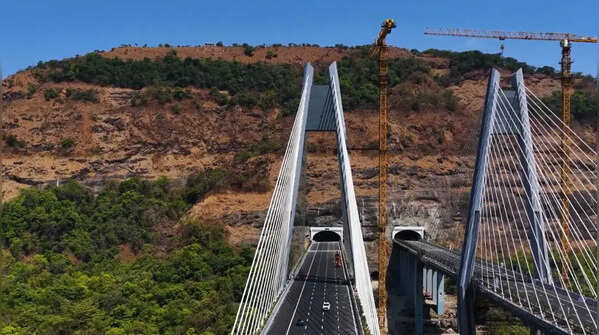
Travel Time and Distance Reduced
The new link bypasses the Khandala ghat section, cutting travel time by 25–30 minutes and shortening the route by around 6 km, offering faster and more efficient movement. (PHOTO CREDIT: Maharashtra CM Devendra Fadnavis/X)
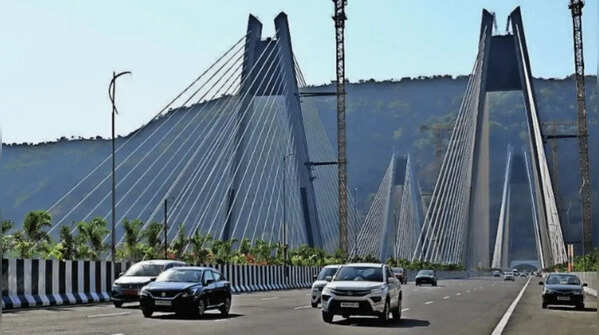
High-Cost Engineering Project
Constructed at a cost of nearly ₹6,700 crore, the project includes tunnels, viaducts and elevated roads, showcasing advanced engineering solutions to overcome complex terrain and geological challenges.
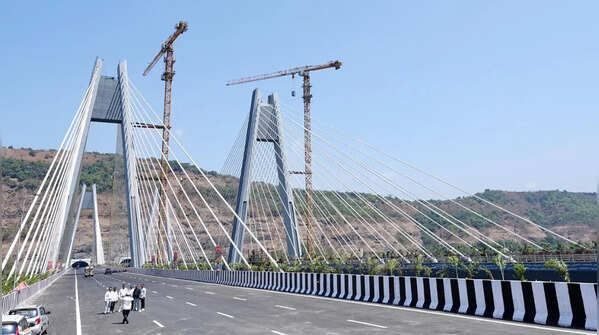
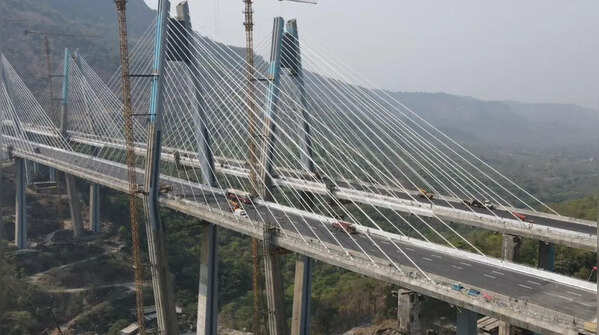
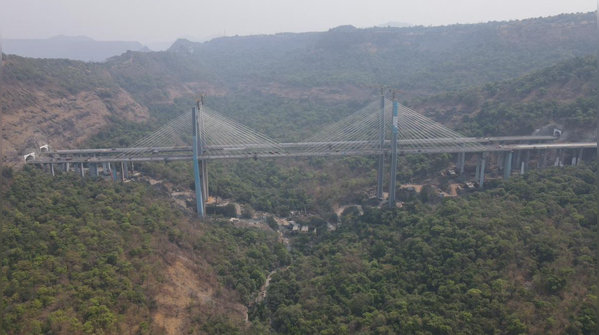
Landmark Cable-Stayed Bridge
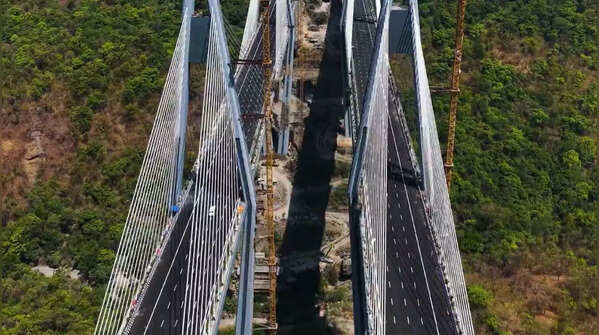
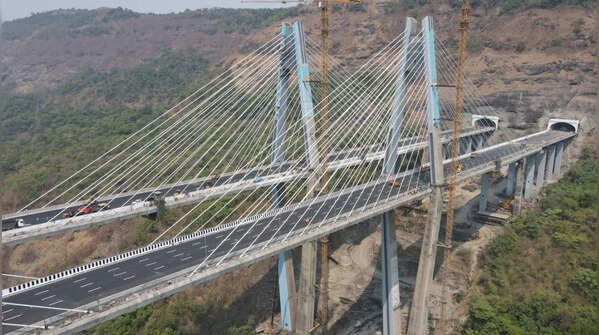
A 182-metre-high cable-stayed bridge over Tiger Valley is a highlight, ranking among India’s tallest, and designed to support smooth transit across a difficult mountainous section. (PHOTO CREDIT: Mahrashtra CM Devendra Fadnavis/X)
Pune-Bound Lane Opened First
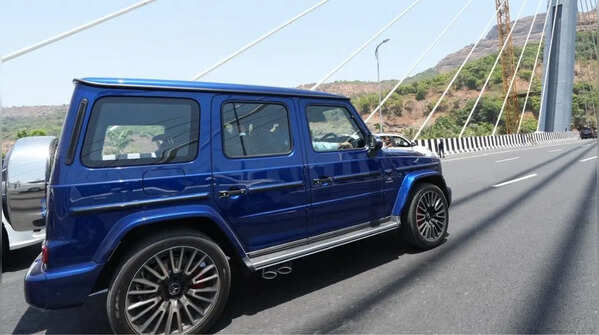
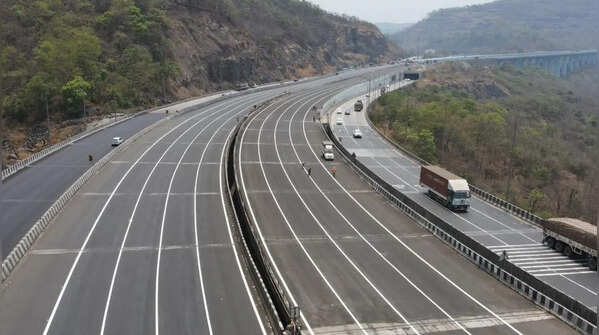
Authorities opened the Pune-bound lane immediately after inauguration to ease congestion in the ghat area, while the Mumbai-bound lane was scheduled to open later the same night. (PHOTO CREDIT: Mahrashtra CM Devendra Fadnavis/X)
Designed for Extreme Weather
The bridge structure is engineered to withstand wind speeds up to 240 kmph, with international-standard testing ensuring stability and safety under severe climatic conditions, including cyclonic situations. (PHOTO CREDIT: Maharashtra CM Devendra Fadnavis/X)
Concerns Over Fog Conditions
The bridge’s elevation may lead to dense fog during monsoon and winter, which could reduce visibility and pose challenges for vehicles travelling at high speeds.
Strict Speed Limits Enforced
Speed limits have been fixed at 100 kmph for cars and 80 kmph for buses, with authorities emphasising strict lane discipline to ensure safety and prevent accidents on the new stretch.
Project Overcame Technical Challenges
The alignment passes nearly 180 metres below Lonavla lake, making tunnelling highly complex. Earlier shelved, the project was revived after experts confirmed its feasibility through advanced engineering studies.
Limited Access in Initial Phase
Initially, only light motor vehicles and passenger buses are allowed on the new route, with heavy goods vehicles restricted until at least October 31 to manage traffic and ensure safety.
Featured In City

