
- News
- City News
- kolkata News
- Kalbaishakhis, roving vendors and tales from Taltala
Trending
This story is from April 13, 2018
Kalbaishakhis, roving vendors and tales from Taltala
The kalbaishakhi, our city’s much awaited, verse-inspiring, thunder squall of March-April, has finally made its presence felt
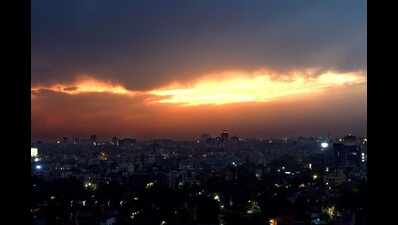
The kalbaishakhi, our city’s much awaited, verse-inspiring, thunder squall of March-April, has finally made its presence felt

The kalbaishakhi, our city’s much awaited, verse-inspiring, thunder squall of March-April, had finally made its presence felt. While it does much to reduce energy bills for people to switch off their air-conditioning for a bit, the kalbaishakhi is actually a violent storm and is capable of much damage to life and property. Then again it’s great for tea and jute, and the mangoes. The wise say we will have a bounty of mangoes in the markets this year. The storm passes eventually, though it rains steadily for a little longer. The night air is crisp and cool, the dust washed away for now, the use of medicinal inhalers suspended for a while.
As I watch the rain pattering down, in my mind I thank a certain pair, Shambhu and Ajit, who came all the way from Haldia to remove the plants that grew out of the cornices and ledges of my building. Mostly peepal, these plants find sustenance in the construction materials of these old buildings, usually limestone and mortar, and rain like this. The two have been coming to the Taltala area for years just before the kalbaishakhi season to earn a little money by getting rid of these parasitic plants with the help of a sickle, a thick rope and a small bag of chemical. One ties the rope around his waist which is held fast by his partner, and armed with the sickle clambers over the parapet on to the ledge of the roof to cut the offending plant at the root. Once he’s done, he sprinkles the chemical into the cracks made by the plant in the ledge, loudly assuring me that it will not grow too soon. The two are farmers at other times.
Or take Cheenapatti ka Ram, as he calls himself with a sardonic smile. The Chinatown area of central Calcutta has been his home for more than six decades, but he still calls a district in Bihar his desh. In his 80s, he carries a round aluminium container on his head wrapped in a cotton cloth, his shoulders bowed with age. He is soft-spoken and gets mildly confused calculating the total price of what I buy from him. He brings Chinese delicacies to my doorstep — pork and prawn sui mai, fish and meat-filled pao, and Chinese sausages. I can order other items if I want which he will deliver in a day or two. He is a little perturbed when I ask him for something in beef and then says he doesn’t carry that, slowly shaking his head as if at my stupidity.
There are other aged itinerant vendors who wander the streets of
Lordpara hawking their wares. Abdul, grey-bearded and balding, sells ripe green bananas through the year displayed in abundance on a wheeled cart that squeaks as it trundles over the tarmac. Mohammad Rafique sells brooms, cobweb cleaning poles and feather dusters made from coir, reeds and chicken feathers. He says he has recently started to sell the same things in brightly colourful polyester materials since they seem to be more in demand. Pratap buys old, unused electronic items including computers. He is vague about what happens to these items once he purchases them. He used to buy old newspapers and bottles before diversifying. Shiv Prasad sells kulfi and falooda from a box made of red polystyrene with tiny wheels. He often feeds the local dog some kulfi.
They all have stories about their wanderings. There is anecdotal history, nostalgia and commentary on life once you spend more than just purchasing time with them. Ram from Chinatown rues that the Anglo-Indians are all gone. Pratap sees exchange offers from electronics manufacturers his biggest competitor. Shiv Prasad is not sure how long he can go on with branded ice creams becoming cheaper. At least bananas and brooms seem to still be in demand.
I often wonder what a rich treasure trove of our city’s history we could have if we would document the words of these itinerant vendors. It would be the obverse to the history touted by the entitled and privileged as our city’s history. A documentation of people’s stories, the people who make up this city to be what it is.
For me, no one does storytelling songs better than Bob Dylan. They are long tales, often longer than 10 minutes, have great musical hooks to remember them by, and his abstract lyrics and poetry intensify the appeal, probably resulting in his Nobel Prize for Literature. Some outstanding examples, and my personal favourites are: Visions of Johanna, Lily, Rosemary and the Jack of hearts, Desolation row, The ballad of Frankie Lee and Judas Priest, Stuck inside of Mobile with the Memphis blues again, and his recent, Tempest.
To reach the author, write to patrick.ghose@gmail.com
End of Article
FOLLOW US ON SOCIAL MEDIA







Photostories

Hot Picks
TOP TRENDING
Popular Categories
Hot on the Web
Top Trends
IND vs NZ Live ScoreRohit SharmaOmar AbdullahAllan LichtmanJharkhand Election ScheduleSachin TendulkarBaba SiddiqueMaharashtra Election Full ScheduleBengaluru Schools ClosedKylian MbappesCanadian DiplomatAshes ScheduleRBI Summer InternshipBahraich ViolenceMaharashtra Election ScheduleJharkhand Election ScheduleLive Cricket Score
Trending Topics
Diwali WishesJigra Movie ReviewFake PaneerDevara OTT ReleaseVettaiyan CollectionRam GopalLawrence BishnoiCow GheeBigg Boss 18Salman KhanShraddha KapoorRatan Tata Passed AwayNana PatekarSharad Purnima Moonrise TimeSwatantrya Veer SavarkarSharad Purnima 2024Top Load Washing MachinesBest Premium LaptopsNonstick Cookware SetsWordle Answer
Living and entertainment
Latest News
How Chennai Night Race swerved past challenges to zoom toward a brighter motorsports futureActor Sreenath Bhasi’s driving licence suspended in the hit-and-run caseInfosys to no longer send job offer letters and attachments, the company will ...Bigg Boss 18: Avinash Mishra evicted by housemates following major clash with Chum Darang; Eisha Singh and Alice Kaushik left stunnedAndre Chase Returns to NXT as Lexis King Defeats Oro Mensah in Gentleman’s DuelAshes 2025-26 fixtures announced: Australia vs England series to begin at Perth'Test cricket is nothing but...' - Indian players reveal what the red-ball format means to themWWE NXT Results and Highlights 10/15: Triple Threat No. 1 Contender match, Stephanie Vaquer vs. Wren Sinclair, and moreActress Helen Nelson aka Oviya files complaint against morphed viral video, takes legal actionRaghav Juyal's VIDEO of getting his shoe lace tied by someone else in public goes viral, netizens react as they get disappointed!Oviya lodges police complaint over her private video leak15-page letter circulating online accuses IBM China head of misconduct; here's what company said while confirming the letter7 deadliest reptiles in the world from venomous snakes to turtlesWayanad bypoll fixed for November 13, Priyanka set for election debutWorld Cup Finals: Sonam Maskar saves the day for IndiaOctober Full Moon 2024 Tonight: When and How to Watch Hunter's Moon?Watch: Two giant pandas Bao Li and Qing Bao arrive in Washington National ZooGSEB Gujarat Board Exam Schedule 2025 Announced: Check complete time table for class 10th and 12th here
Copyright © 2024 Bennett, Coleman & Co. Ltd. All rights reserved. For reprint rights: Times Syndication Service