
- News
- City News
- kochi News
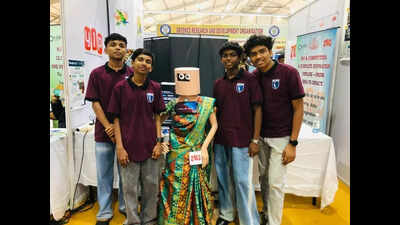
- Kerala Science Congress concludes with students presenting virtual teacher and drug detection innovations
Trending
Kerala Science Congress concludes with students presenting virtual teacher and drug detection innovations
End of Article
Follow Us On Social Media

Hot Picks
Top Trending
Tired of too many ads?go ad free now
Trending Stories
In City
Entire Website
- One dead, one injured while cleaning drain in Mumbai's Goregaon West
- Dimple Mehta elected mayor and Dhruvkishor Patil deputy mayor with a historic majority in Mira-Bhayandar
- Residents recount evening when South Kolkata para turned into war zone; 3rd attack by Sona Pappu gang since Covid
- Pune’s Rs 5,000-cr growth leap: City set to become tech & industry powerhouse
- 'Daan' at Haryana YouTuber Arun Pawar's wedding raises eyebrows; Rs 71L cash, 21 tola gold shocks many
- Uproar in Rajya Sabha as MP C Sadanandan displays artificial limbs; sparks heated exchange with CPI-M
- Coastal Rd luxury car crash: Minor & 3 others booked
- Minor's Death After Underage Drinking: Bengaluru pub booked; licence may be cancelled
- Greater Ghaziabad by 2027: Mega merger to create UP’s biggest municipality with 114 new wards
- 5 dead as bus carrying 30 passengers falls into gorge in Dehradun
- “It's a terrible choice”: President Donald Trump explodes at Bad Bunny’s Super Bowl LX halftime show amid his Grammy win
- CBSE admit card 2026 for classes 10, 12 out at Pariksha Sangam portal: Direct link here
- Tariff Reduction Agreement: India, US sign major trade deal; $500bn purchase pledge spans key sectors
- From tariff shock to trade deal: The timeline of US–India pact
- Three teen hockey players killed in tragic crash while heading to practice in Canada
- Duty-Free Allowance Raised: Govt hikes limit to ₹75,000 for arrivals; new jewellery caps set
- India-US Tariff Deal Announced: Reciprocal rate cut to 18%; lower than China
- ‘Hired green card, US citizen drivers’: Sikh truck company owner after losing employees as California revoked thousands of licences
- India Post GDS recruitment 2026: Merit-based selection for 28,740 vacancies; eligibility, application process and key details
- “What did I do wrong,” a worried F-1 visa student asks, as a single I-20 mistake threatens study, career plans, and STEM OPT work rights
Tired of too many ads?go ad free now



Explore Every Corner
Across The Globe
AUS vs ENG U19 World Cup LiveLindsey VonnRafael Nadal FatherNHL Trade RumorsMLB Trade RumorsMagic JohnsonBill BelichickTop Stock RecommendationPM ModiCBSE Class 10th 12th Admit CardT20 World Cup 2026Usman KhawajaPakistan Cricket TeamGold Silver rate todayWWE Raw HighlightsGold Price PredictionDonald TrumpIndia US Trade DealUAE Player TimingsSikh Truck Company CaliforniaCristiano ronaldoJames HardenRamadan 2026Trump tariffsSanjay ManjrekarRussian oilJEE Main 2026 Answer KeyUGC NET December ResultTahir Tahirfuego Cause of DeathT20 World Cup 2026 Schedule
Hot on the Web
Dhurandhar 2 The RevengeAR RahmanAmitabh BachchanCharles FawcettBhool Bhoolaiya 3Valentine Week Calendar 2026Akashdeep SaigalR MadhavanGovindaLady Gaga QuoteGreeland SharkThe 50 Contestants ListGrammy Awards 2026 Winners ListBaby NamesMardaani 3 Box Office CollectionSanjay MishraFake FriendsPancreatic CancerAkshata MurtyBorder 2 CollectionDelhi Winter FoodWilliam Wordsworth QuoteBorder 2 Movie ReviewDhurandhar 2Bruce LeeRalph Waldo EmersonDiabetes MythsFebruary 2026 Horoscope PredictionsFebruary Festivals 2026Dhurandhar Movie ReviewToday Gold Rate in ChennaiDelhi Weather TodayDelhi AQI TodayMumbai AQI TodayMaharashtra Public Holidays 2026Elon MuskWorld Billionaires By CountryTesla Model Y DiscountHighest Selling Cars In January 2026Mark ZuckerbergSamsung Galaxy s26
Trending Topics
BPSC Exam CalendarTGPSCGPSC Recruitment 2026Anti-Israel stickersTilak VarmaDelhi AQIRam Rahim pleaGold, Silver Prices TodayMamata BanerjeeNabard RecruitmentIndia US Trade DealMP murderKerala CMBengaluru land taxRanchi suicideNoida newsAhmedabad school revengeWPL EliminatorGuwahati Underground RailMaharashtra panchayat pollKamakhya–Howrah Vande BharatDroupadi MurmuGujarat TraffickingStock Market todayTrade deal impactMP C SadanandanPat CumminsUGC NET ResultNEET SS ScorecardIISER RecruitmentDelhi School Fee LawSanjat ManjrekarRohit SharmaIND vs AFG U19 Live StreamingIshan KishanPakistan Cricket BoardSunil GavaskarCarlos AlcarazShashi TharoorICE detentionParliament Budget SessionIND vs USA T20 World Cup Match
Popular Categories
HeadlinesSports NewsBusiness NewsIndia NewsWorld NewsBollywood NewsHealth+ TipsIndian TV ShowsTechnologyTravelEtimesHealth & FitnessChinese Horoscope PredictionsMarketsAstrologyAutoWeather TodayGold Rate Today DelhiSilver Rate TodayPlatinum Rate TodayIs Bank open todayBank Holidays in February 2026Public Holidays in February 2026DeorhiNFL ScheduleTechnology NewsInternational SportsPublic HolidaysBank Holidays
Trending Videos
Ahmedabad Professor Death Case, Babies Sale Racket, Subhash Bridge Repairs And More'PM Modi Under Pressure From Trump': Rahul Gandhi Claims As Trade Deal Debate Paralyses Lok Sabha‘Terrible Host’: Trump Blasts Trevor Noah, Slams Grammys Over Epstein Island JokeRussia Attacks Kyiv With Multiple Missiles After Agreeing To Halt Strikes On Energy InfrastructureRussia Attacks Kyiv With Multiple Missiles After Agreeing To Halt Strikes On Energy InfrastructureIndia–US Trade Deal Slashes Tariffs, $500 Billion Buying Pledge AnnouncedTehran’s Top Admiral Details Alarming 'Plan' After Trump's Threat | WatchChandigarh: Rail Infra Boost, Dalai Lama Grammy Honour, Olympics Row And MoreIndia-US Trade Deal: US Tariff Cut Puts India Ahead Of China, Pakistan, Bangladesh In Trade RaceRussia Arms Iran With Mi-28 Night Hunter Chopper In Defence Boost As War With U.S. LoomsSurat: Metro Buildings Evacuated, Overhead Tank Incident, Tribal Tunes PhD Scholar And MoreBhopal: New Police Chief Appointed, HC Quashes Corruption Case, Exam Paper Leak Fears And More‘I Will Not Bow Down To Hatred’:Uttarakhand Man Who Shielded Muslim Trader Becomes Social Media StarNDA MPs Felicitate PM Modi For India-US trade Deal At Parliamentary Party MeetingTeam India’s Final Preparations Ahead of Warm-Up Clash vs South Africa in MumbaiLucknow: Seed Parks Plan, Bullet Train Corridors, Singapore Firm Eyes InvestmentMinnesota Court Blow To Tim Walz & 'Radical Left'; Relief For ICE | Fed Agents Get Bodycams | WATCHShahid Kapoor Out Here Proving That Effortless Charm Never Goes Out Of Style
Latest News
INS Kaundinya to sail ancient Odisha–Bali trade route on Kartik Purnima: Sanjeev SanyalTax benefit on under-construction home loan interest remains intact in new act‘Indian is not an insult’: UAE analyst Amjad Taha’s viral response schools Saudi trolls on racismInside China’s gray zone activities: How Beijing is salami slicing its way to influenceThrowback Tuesday: Did you know Ethirneechal fame V. Thiruselvam was a director?India are going to be extremely difficult to beat in T20 World Cup: Ex-Australia cricketerAfter Ajit Pawar’s death, Sunetra Pawar appointed guardian minister of Pune and Beed districts'Dhurandhar's end credits CONFIRMS multiple vanity vans for Ranveer Singh on the sets; Mystery resolved!Delhi man collapses on road, passerby tries to steal phone instead of helping; victim diesTax benefit on under-construction home loan interest remains intact in new actTOI Budget Dialogue 2026: Experts discuss how Budget impacts common man and India’s growth tomorrow'Life’s been kinda cruel to me lately': Arjun Kapoor pens emotional birthday tribute to mother Mona Kapoor'PM under pressure': Rahul Gandhi links Adani, Epstein to India-US trade dealIt's official! K-drama stars Shin Eun-soo and Yoo Seon-ho are dating-- Shin's agency shares detailsThe loss that roared like a win: When India pushed Australia to the edge in Adelaide 1978Khaled Hosseini’s A Thousand Splendid Suns comes alive on Kolkata stage'Our Prime Minister compromised, sold our nation': Rahul Gandhi outside Parliament after LS snubMuscleBlaze’s documentary on MMA fighter Sonam Zomba inspires the new generation
Copyright © 2026 Bennett, Coleman & Co. Ltd. All rights reserved. For reprint rights: Times Syndication Service