
- News
- City News
- Hyderabad News
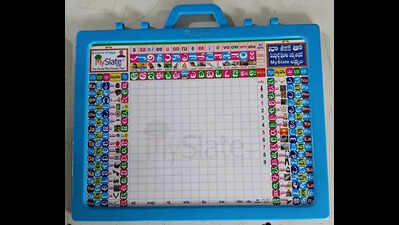
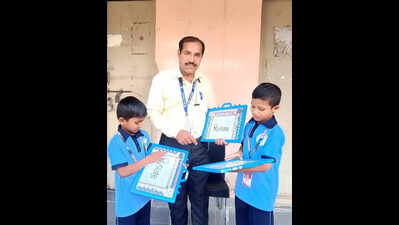
- Govt school teacher’s ‘My Slate’ helps young minds learn better
Trending
Govt school teacher’s ‘My Slate’ helps young minds learn better
Israel Iran War
- US-Israel-Iran War Live Updates: Third US carrier on way as Israel launches 'extensive strikes' on Iran
- Temporary Waiver For Russian Oil: US allows India to buy stranded crude; move aims to ease supply pressures
- 'Landed in US hoping to kill Trump': Pakistani man convicted in murder-for-hire plot, says Iran forced him
You Can Also Check: Hyderabad AQI | Bank Holidays in Hyderabad | Gold Rate Today in Hyderabad | Silver Rate Today in Hyderabad


About the AuthorMadhu Rasala
End of Article
Follow Us On Social Media
Hot Picks
Top Trending
Tired of too many ads?go ad free now
Trending Stories
In City
Entire Website
- 'We apologised but she did not listen': Vehicles torched, roads blocked in Delhi after man killed in Holi colour dispute
- ‘We are poor, Rs 60 hike a lot’: Public raises concerns over LPG cylinder price increase; check city-wise rates
- Mumbai Metro line 11 plan: 6.9 Km extension to Bandra Terminus via Dharavi; 5 new stations proposed
- Madhya Pradesh court issues notice to minister Rao Uday Pratap Singh over plea alleging insult to tricolour
- Bhopal horror: Class 3 student lured, raped by neighbour; locals thrash accused
- Crude bombs explode inside locked club room in Kolkata; more explosives defused
- 2 women drag street dog behind scooter in Ratlam; FIR filed
- Punjab and Haryana high court acquits Dera chief Ram Rahim in journalist Ram Chander Chhatrapati murder case
- Uttam Nagar on edge after Holi killing: Vehicles torched, barricades up, CRPF deployed amid communal tension; arrests rise to 8
- Man beheaded with axe by kin over black magic suspicion in Madhya Pradesh; accused arrested
- US-Israel-Iran War Live Updates: Middle East war day 8: Third US carrier on way as Israel launches 'extensive strikes' on Iran
- India Post GDS result 2026 released: Direct link to download state-wise merit list for 28,636 posts here
- Explained: How Iran war is driving sharp rise in oil and gas prices
- Nepal Election Results 2026 Live: Balen Shah’s RSP leads on 98 seats, rivals trail far behind
- Pakistan-Saudi Defence Meeting: Army chiefs discuss Iran strikes; experts doubt troop deployment
- 'We apologised but she did not listen': Vehicles torched, roads blocked in Delhi after man killed in Holi colour dispute
- Temporary Waiver For Russian Oil: US allows India to buy stranded crude; move aims to ease supply pressures
- Karnataka woman, lover held after autopsy of exhumed body reveals husband died of smothering, not ‘heart attack’
- BMC plans Mumbai’s first public urban forest on 3.2-acre plot in Andheri’s Marol
- Police Probe Murder-Suicide Attempt: Woman allegedly killed daughters; all angles under investigation
Tired of too many ads?go ad free now



Explore Every Corner
Across The Globe
Connor HellebuyckTampa Bay LightningNFL Trade NewsJoseph ContrerasIndia Post GDS Result 2026Israel Iran WarBalen ShahShoaib AkhtarSouth Delhi Murder NewsShane Bieber WifeMumbai Urban ForestLogan PaulWWE Smackdown HighlightsRussia OilBhopal Teacher DeathCody RhodesNepal Election Results 2026Fortnite UpdatesIND vs NZIndia vs New Zealand FinalAsim MunirNepal Election ResultsUP ScholarshipMumbai Metro LineDelhi DDA FlatAnuj AgnihotriLPG CylinderCBSE Class 10 Social Science Exam AnalysisUAE gold priceWhere to Watch Ind vs Nz t20
Hot on the Web
Women's Day WishesVijayShah Rukh KhanDhurandhar 2 TrailerJr NTR HouseLab Grown GoldBest War Movies On NetflixThe Kerala Story 2War News AnxietyMagnesium DeficiencyMasterchef India WinnerBollywood War MoviesDhurandhar 2 TrailerKunal KhemuAllu Sirish & Nayanika Reddy WeddingChiranjeeviAllu ArjunWomen's Day QuotesYami GautamAmitabh BachchanRERA 2.0Maheika SharmaThe Great Indian Kapil Show 4Anurag DobhalDeeksha SethYoung Sherlock ReviewHoroscope TodayThe Bluff Movie ReviewBorder 2 Movie ReviewTu Yaa Main Movie ReviewToday Gold Rate in ChennaiDelhi Weather TodayDelhi AQI TodayMumbai AQI TodayMaharashtra Public Holidays 2026Maruti Brezza Facelift SpiedLab Grown DiamondsMark ZuckerbergSam AltmanSocial Media BanMaruti Suzuki e-Vitara
Trending Topics
Shohei OhtaniEileen GuSeattle KrakenBihar civil courtUP Police SI CityAnuj AgnihotriUS Jobs reportNoida airportDigital fraud rulesRussia crude export dataFrancis NgannouAsif MerchantBrooklyn shootingTexas RamadanQatar AirwaysBrooklyn shootingUtah triple murderKhameneiAbu Dhabi Zayed International AirportRithala Jhuggi Fire IncidentEpstein FilesUAE flightsIndia embassy in DohaJosh Berry Net WorthBrooks KoepkaJustin HerbertAlysa LiuMLB opening dayCristiano RonaldoMumbai Indians New IPL JerseyDaylight Saving Time 2026Electric Cars Vs Petrol CarsSam AltmanApple Macbook Air M5Stephen HawkingAnthropic Ceo Dario AmodeiNvidia China DreamMacbook Neo VSMacbook AirOracle LayoffsHow to watch ICC T20 World Cup 2026 in USAHow to watch ICC T20 World Cup 2026 in CanadaHow to watch T20 World Cup online in India
Popular Categories
HeadlinesSports NewsBusiness NewsIndia NewsWorld NewsBollywood NewsHealth+ TipsIndian TV ShowsTechnologyTravelEtimesHealth & FitnessHow to watch T20 World Cup OnlineIndia vs Pakistan MatchAstrologyAutoWeather TodayGold Rate Today DelhiSilver Rate TodayPlatinum Rate TodayIs Bank open todayMarch Bank HolidaysMarch Public HolidaysDeorhiTechnology NewsInternational SportsPublic HolidaysBank HolidaysT20 World Cup Squad IndiaT20 Wprld Cup Squad
Trending Videos
Dubai Airport Bombed; Flight Ops Suspended | U.S. Airbase Runway ‘Obliterated’ In Kuwait | WATCH'India's Strength Will Decide Its Destiny, Not By Mistakes Of Others': Jaishankar Strong MessageIran Unleashes 5 Waves Of Ballistic Missiles On Tel Aviv, Other Israeli Cities In Less Than 12 Hours'Indian Discount': Why Semaglutide is Finally Becoming Affordable| Ozempic Patent Expire | EXPLAINEDHezbollah Ambushes IDF Troops Airdropped To Retrieve Remains Of Soldier From Lebanese TownRuturaj Gaikwad Unveils Chennai Super Kings Jersey For IPL 2026 SeasonMercedes-Benz V-Class: First look at the most luxurious MPV ever? | TOI AutoPune: Metro Expansion Push, Investment Boom, Highway Tragedy & MoreUS Exit Strategy From Iran: Lt Gen Vinod Bhatia Decodes Washington’s EndgameRoyal Exit 2.0? Netflix Steps Back From Meghan Markle’s ‘As Ever’ Brand | WATCHExclusive: Aymeric Laporte previews Athletic Bilbao vs Barcelona | La LigaCONFIRMED: Iran DESTROYS $300 Million U.S. Radar In Just One Hit On American Base In Jordan‘Trump Told India To Go Ahead Because…’: Mehek Cooke On US’ Russian Oil Waiver Amid Iran WarIndia leave Mumbai for Ahmedabad | Team India heads to T20 World Cup final vs New ZealandBIG! Iran Reaches Out To Trump's ‘TOP ENEMY’ | United Military Front Against U.S. On The Cards?
Latest News
Bigg Boss Kannada fame Rajath Kishan faces police complaint over alleged threatsCBSE DRQ Tier-II Exam 2026 schedule released: Check complete schedule, official notice PDFWho is Reshma Kewalramani? Mumbai-born CEO behind a ₹11 lakh crore biotech empire and TIME’s 2026 Woman of the YearMadras high court directs Puducherry govt to prepare SOP and conduct sensitise officials dealing with disabled persons‘Police Police’ to conclude soon; Parvathy Venkitaramanan and Shabana pen heartfelt farewell notesSaif Ali Khan reveals telling his son Ibrahim Ali Khan, 'You need to do this on your own'Middle East crisis: Are Iran's ballistic missiles running out amid US-Israel strikes?'Give him a break': Ex-India batter urges India to drop Abhishek Sharma for T20 World Cup finalWatch: Moment Iranian drone struck Dubai International Airport's runwayBSEB Matric Answer Key 2026 released: Objection window for Bihar board class 10 open till March 13, direct link hereSelf-medication with common painkillers may cause silent kidney damage, doctor warns: Simple steps to protect your healthImplementation gaps remain in Maharashtra’s women’s policies; working-class, minority women lag behindWhen Nazriya Nazim said Fahadh Faasil balances between introvert and extrovert: 'He will always be a storyteller'Quote of the day for kids by Virat Kohli: "Self-belief and hard work will always earn you success"Who added the ‘Time To Lead’ tagline in 'Thalaivaa'? AL Vijay reveals an UNTOLD story behind the Thalapathy Vijay starrerAnkita Lokhande's husband Vicky Jain undergoes surgery for the second time in six monthsWomen’s Day rally across India to promote thalassemia screening and cancer awarenessAli Fazal: There’s a certain freedom in playing a lover boy again
Copyright © 2026 Bennett, Coleman & Co. Ltd. All rights reserved. For reprint rights: Times Syndication Service