
- News
- City News
- delhi News
- Rains reign in May as Delhi soaks up 95% excess showers
Trending
Rains reign in May as Delhi soaks up 95% excess showers
Delhi has significantly surpassed its pre-monsoon rainfall average, experiencing a 95% excess overall from March to May. While March and April saw deficits due to fewer western disturbances, May brought frequent and intense showers, categorizing seven districts in 'large excess'. Northwest Delhi received the highest rainfall, while south Delhi recorded the least, remaining in the 'normal' category.
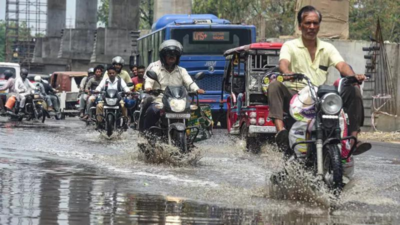
Delhi has significantly surpassed its pre-monsoon rainfall average, experiencing a 95% excess overall from March to May
End of Article
Follow Us On Social Media
Visual Stories









Photostories

Hot Picks
Top Trending
Explore Every Corner
Across The Globe
Ben StillerElon MuskNBA Trade RumorsWayne GretzkyJustin TrudeauMichael McLeodConnor McDavidH-1B Visa RowStephen CurryElon MuskSheikh HasinaPM Modi Patna VisitAuston MatthewsMAH B Ed CET 2025Benjamin NetanyahuMohammed SinwarGolden DomeStefon DiggsRoope HintzJasprit BumrahKris KnoblauchTom BradyJordyn WoodsPascal SiakamBrett HowdenIPL ScheduleIPL Points TableIPL Live ScorePBKS vs RCB Head to HeadGT vs MI Head to Head
Hot on the Web
Maharana Pratap Jayanti 2025Elon MuskBowel Cancer SymptomsMagnesium Deficiency SymptomsAnaconda RiverPark Bo GumTsunami WaveKamal HaasanRekhaProstate CancerEID Moon SightingWorld Largest Air ForcesNational ParksOptical illusionPhilippines VisaLower Blood PressureAspergillus SymptomsTalking Bird SpeciesDipika Kakar Cancer DiagnosisIntelligent Pet BirdsMildred KirschenbaumBeetroot BenefitsLiver Damage SymptomsItaly Passport New RulesBeetroot Ginger Lemon JuiceEid Ul Adha 2025Philippines VisaIndian Passport Holders CountriesShraddha AryaCoronavirus SymptomsGta 6Annabelle Doll MissingNaveen TahilyaniOne Piece Chapter 1150Elon MuskTommy RobinsonJensen HuangSports AnimeKhan SirShonen MangaIsro Icrb RecruitmentMark Cuban
Trending Topics
UPSC ESE Admit CardUPSC New Application PortalSBI CBO RegistrationBihar CET BEd Answer KeyRBSE Class 10th ResultRudra Pratap SinghCBSE ReevaluationRavindra JadejaJrue HolidayTyrese HaliburtonMAH MBA CET result 2025Manipur Government FormationMock Drill in Border StatesVinesh PhogatVirat KohliGaurav GogoiKiran MazumdarZach Hyman InjuryOperation SindoorPM Modi Patna VisitAir India Flight IncidentRavi NaikISI SpyingChennai Roller Coaster IncidentIPL 2025 Points TableKamal HaasanBengaluru Sexually ExploitedMumbai Cab IncidentWeather TodayPM ModiAaron RodgerNyt Strands TodayGarena Free Fire MaxWordle TodayNYT Connections HintsAnupam MittalVaniya AgrawalJeff BezosKhan Sir WifeApple iPhone 17 Pro MaxDonald Trump To AppleVolvo Layoffs
Popular Categories
HeadlinesSports NewsBusiness NewsIndia NewsWorld NewsBollywood NewsHealth+ TipsIndian TV ShowsTechnologyTravelEtimesHealth & FitnessWWENFLIPL PlayoffsAstrologyWeather TodayIPLAnimeJune Bank HolidaysPublic Holidays in JuneIPL TeamsStock Market HolidaysNSE HolidaysBSE HolidaysPower Creator AwardsTechnology NewsInternational SportsPublic HolidaysBank Holidays
Latest News
Gold & silver price prediction today: What's the gold rate outlook for May 29, 2025 - should you buy or sell?'For the sake of peace': After Operation Sindoor, Pakistan signals willingness for talks with IndiaBihar CET B.Ed answer key 2025 released: Check direct link to download and steps to raise challenges hereIPL 2025: Mohali braces for high-octane PBKS vs RCB clash with tight security and traffic plans in place at New PCA Stadium today; check details hereEmil Bove, ex-Trump lawyer and current DOJ official, nominated for federal appeals court judgeMalaika Arora’s face-depuffing hack is going viral and it doesn’t involve ice!Niger troops killed in jihadist attackEsha Deol shares why her parents’ shoots were her favourite childhood outings: 'Always looked forward to my...'Sukumar says he'd have retired happily if he had directed Upendra's cult classicsPriyanka Chopra calls Nick Jonas ‘mine’ as she shares dreamy boat ride PIC full of loveHow to spot a narcissist: 5 signs and red flags to watch out for‘He doesn’t code, he just steals hearts’: Golden Retriever hired as ‘Chief Happiness Officer’ at Hyderabad startup, wins hearts onlineThousands storm aid warehouse in Gaza as hunger crisis deepensHikers call 911 over 'dead' friend on trail, turns out they were just high on mushroomsCalifornia avocado growers say Mexican imports have helped their salesEarly voting starts for South Korea election triggered by martial law'Won't apologise': After 'Kannada was born out of Tamil' remark, Kamal Haasan stays defiantMorning news wrap: Elon Musk's tenure with Trump admin concludes, BJP backs Shashi Tharoor amid Congress barbs; and more
Copyright © 2025 Bennett, Coleman & Co. Ltd. All rights reserved. For reprint rights: Times Syndication Service