
- News
- City News
- delhi News
- Delhi AIIMS starts 'Payodhi', human milk bank for critically-ill babies
Trending
Delhi AIIMS starts 'Payodhi', human milk bank for critically-ill babies
AIIMS has inaugurated Payodhi, a human milk bank serving critically ill preterm babies with processed, pasteurised donor milk. The initiative ensures essential nutrition for NICU infants and is aligned with WHO and Indian government protocols, offering comprehensive lactation management services.
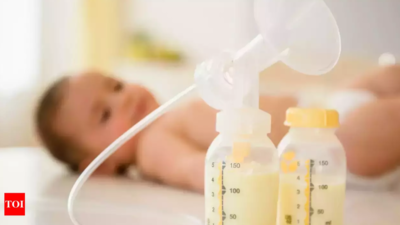
AIIMS has inaugurated Payodhi, a human milk bank serving critically ill preterm babies with processed, pasteurised donor milk
Medical specialists stress that mother's milk is vital to newborns, particularly premature babies. When mothers face medical constraints that prevent breastfeeding, pasteurised donor human milk is the best substitute, aligning with WHO and Indian govt protocol.
Before establishing its own facility, AIIMS worked jointly with Lady Hardinge Medical College (LHMC). The staff transported donated milk to LHMC for pasteurisation, ensuring proper cold chain maintenance.
AIIMS began the independent milk bank operations after obtaining their pasteuriser in Sept 2024. The milk bank, established by the division of neonatology, department of pediatrics, provides complimentary services for NICU babies, including maternal counselling, surplus milk donation, pasteurisation and storage.
This supports 15 to 18 unwell premature babies, aiding their survival, recovery and brain development. Some mothers donated substantial quantities, ranging from 25 to 50 litres, during their babies' hospitalisation. These services are provided free of cost. She elaborated that preterm neonates in NICU require maternal milk.
In cases where mothers are deceased or unable to express milk, the infants cannot receive milk from their birth mothers. Conversely, some mothers produce excess milk, which often goes waste. Following maternal screening for HIV, hepatitis and other conditions, and upon receiving consent, donations are accepted.
The collection and distribution services are exclusively available to mothers and infants admitted to AIIMS. The operation of a human milk bank encompasses various crucial stages to guarantee safe collection, storage and distribution of donor milk to infants.
The initial phase involves comprehensive screening of potential donors, including assessment of medical history, lifestyle evaluation and blood testing to confirm their health status and donation eligibility.
Last Dec, a lactation management unit (LMU) was inaugurated at Safdarjung Hospital also.
Stay updated with breaking news, weather updates, bank holidays and upcoming public holidays in march.
End of Article
FOLLOW US ON SOCIAL MEDIA








Photostories

Hot Picks
TOP TRENDING
Explore Every Corner
Across The Globe
Wayne GretzkyOsamu NishimuraDamian LillardAaron JudgeMel Kiper JrSidney CrosbyAnthony EdwardsNBA Halftime ShowDenver Nuggets vs Detroit PistonsHow to Play Monster HunterTaylor SwiftGTA 6 Dev Teases 2025 ReleaseGTA 6 Female ProtagonistSydel CurryHarry Potter QuotesAnthony EdwardsWWE Elimination Chamber 2025GTA 5 Cheat Codes ListShedeur SandersTravis KelceJa MorantTrump Zelensky MeetingKevin DurantDarius GarlandBank HolidaysShaquille O NealChampions Trophy Points TableBank Holidays in MarchChampions Trophy ScheduleICC Champions Trophy Live Streaming
Hot on the Web
Kiara Advani Pregnancy NewsRamadan 2025 DateKing CobraIbuprofen GuideRamadan 2025 WishesRamadan 2025Tanmay BhatRamadan Wishes 2025GovindaSunita AhujaVitamin D FoodsRanveer AllahbadiaSandeep Reddy VangaOptical IllusionGinger Turmeric Tea BenefitsCloves BenefitsUttam MohantyMere Husband Ki Biwi CollectionChhaava Box Office CollectionChhaava Movie ReviewAshwagandha for Hair GrowthChum DarangUnique AnimalsBig Cat Safari DestinationChickpea Curry RecipeSadhguru Diet HabitsSummer GardeningAnimal SpeedstersAnimals for Good LuckUS National Parks
Trending Topics
Whatsapp DownCam NewtonJoe BurrowNBA Buyout RumorsTravis HunterIndiana Pacers vs Miami HeatStephen CurryChad JohnsonVictor Wembanyama Net WorthJeff SchennMichael JordanAlex OvechkinConnor McdavidAnthony DavisTravis KelceMike JohnsonNyt StrandsNyt ConnectionsNBA Buyout RumorsKing Legacy CodesDa Hood CodesWordle HintsNvidiaIsaiah BondTyrese HaliburtonPune Bus RapeJimmy ButlerChampions Trophy Points TableChampions Trophy ScheduleICC Champions Trophy 2025 Live Streaming
Popular Categories
HeadlinesSports NewsBusiness NewsIndia NewsWorld NewsBollywood NewsHealth+ TipsIndian TV ShowsTechnologyICC Champions TrophyIPLTravelEtimesHealth & FitnessHollywood NewsWeb SeriesWWEUS NewsNFLHow to watch IPL 2025How to watch IPL in CanadaHow to watch IPL in USACBSETechnology NewsInternational SportsAstrologyPublic HolidaysBank HolidaysIndia vs New ZealandWeather Today
Latest News
This February was India's warmest in 125 years of record-keepingNBA Offseason Rumors: Golden State Warriors eyeing possible reunion with $195 million Phoenix Suns superstar to bolster championship odds with Jimmy Butler and Stephen CurryNo suicide reports from 3,522 universities, colleges: UGC'Miracle of restraint': Russia on Trump, Vance 'holding back from hitting Zelenskyy' after Oval Office blow upNBA Offseason Rumors: Los Angeles Lakers might be interested in 6-foot-11 Brooklyn Nets star to support Luka Doncic and LeBron James in their Championship pushLittle-known law helps firm dodge legal feesSC relief for Isha yoga centre on Tamil Nadu government's noticePokemon GO Tour Unova 2025: Exploring shiny odds of all featured Pokemon during the global eventStalin attacks Centre on Hindi, delimitationJeffrey Epstein's island: Where it is, who owns it, and what happened thereCongress warns netas from Kerala against speaking out of turn“A father figure”: Travis Hunter acknowledges the pivotal role Deion Sanders played in his development, terming him a guiding lightTravis Kelce steps forward to protect his beau Taylor Swift amid Super Bowl fallout and public scrutinyChamoli Avalanche: Uttarakhand CM announces temporary control room in JoshimathWill Luka Doncic play tonight against the LA Clippers? Latest update on the Los Angeles Lakers star's injury report (February 28, 2025)Uttarakhand avalanche: Mana villagers saved by ancient wisdom & annual migrationBaby born with ear on the cheek due to a rare conditionUttarakhand avalanche: Not the 1st time avalanche hit forces in this high-risk area
Copyright © 2025 Bennett, Coleman & Co. Ltd. All rights reserved. For reprint rights: Times Syndication Service