
- News
- City News
- chennai News
- Toy story: History & STEM learning games now
Trending
This story is from June 08, 2024
Toy story: History & STEM learning games now

You Can Also Check: Chennai AQI | Weather in Chennai | Bank Holidays in Chennai | Public Holidays in Chennai
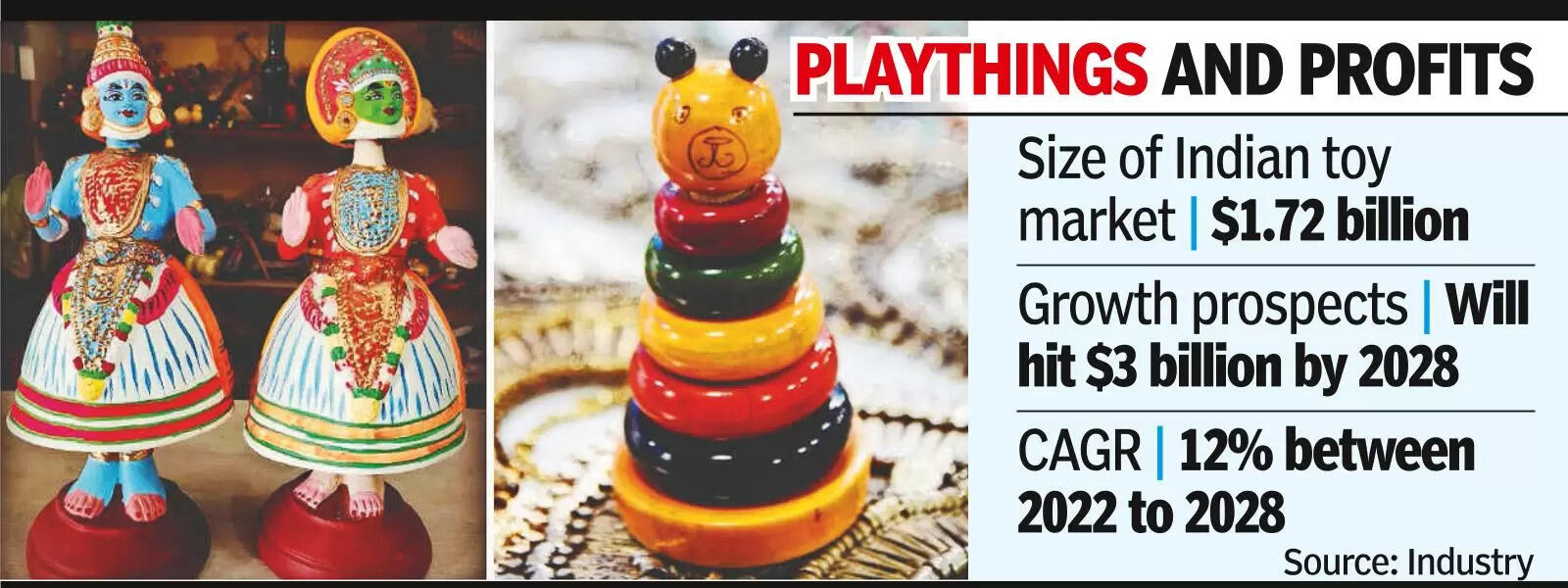
That twin focus is important given the growth trajectory the industry is in. Karandeep Singh, chief business officer, Toys “R” Us said, “According to Invest India, the Indian toy industry is among the fastest-growing globally, projected to reach $3 billion by 2028, growing at a CAGR of 12% between 2022-28. Mythological and historical toys, he added, are “more commonly seen during festive seasons when cultural affinity is at its peak”.End of Article
Follow Us On Social Media









Photostories

Hot Picks
Top Trending
Explore Every Corner
Across The Globe
Conor McGregorSimone BilesNintendoLivvy DunneTaylor Swift Dad Heart SurgerySam PonderAdam SandlerMitch MarnerIraq mall fireTomorrowland Festival FireDelhi-Goa Indigo FlightAlaska Coast EarthquakeDonald TrumpAlaska earthquakeEpstein CaseJanie HuntLuka DoncicWayne ThomasSavy KingMaurene ComeyMiddle East crisisESPY Awards Winner listQatar AirwaysEspy Awards Red Carpet PhotosAdam SwartEswatiniJerome PowellRandy CoutureJake LeschyshynHow to download minecraft bedrock
Hot on the Web
Kidney Failure SymptomsRanya RaoVijay SethupathiPrabhasLokesh KanagarajAnupam KherAlia BhattCholesterol Lowering FruitsSwati SharmaHealthy Life SecretsZareen KhanStranger Things 5 TeaserOld People SmellAvocado BenefitsIndian BreakfastsReduce Blood PressureKabir BediChia SeedsMarigold PowersBlood Cancer SymptomsAnupam KherPumpkin Seeds BenefitsDipika KakarRanbir KapoorHans ZimmerBaby NamesIndian DestinationsMaalik Box Office CollectionKannappa Box Office CollectionSitaare Zameen Par Box Office CollectionStomach CancerIndoor Plants That Attract WealthSnake IslandJeff BezosLabubuSaina NehwalTakopis Original SinGastric CancerBlood SugarAirport AlertRishi SunakSimpsons Prediction
Trending Topics
Mohammed ShamiJEE Advanced ScorecardMaharashtra FYJC AdmissionsSBI PO Prelims Admit CardUPSSC Answer KeyCollege Degrees with High PlacementNCERT Revised SyllabusCharlie Chaplin QuotesBihar Staff Nurse Exam DateBarcelona Iconic JerseyVaibhav SuryavanshiBCCIShimron HetmyerUGC NET ResultUP Board RegistrationAaron RodgersAdam SandlerBrittany MahomesVictor MartinezKarnataka Cave NewsRadhika Yadav NewsKarnataka Russian Women RescueBengaluru Traffic JamsGold Smuggling CaseKerala Women UAE SuicideUP Instagram Influencers ArrestedBengaluru MurderAir India Express Technical IssuesBhopal Snake Rescuer DeathOdisha BandhPerplexity Pro AirtelElon MuskNYT Connections TodayWordle Today HintsSoham ParekhiPhone 17 Release DateWalmart LayoffsNew iPhone Manufacturing RecordJensen HuangPerplexity ProAnand MahindraShubhanshu Shukla
Popular Categories
HeadlinesSports NewsBusiness NewsIndia NewsWorld NewsBollywood NewsHealth+ TipsIndian TV ShowsTechnologyTravelEtimesHealth & FitnessNFLIntel The Learning CurveIndia vs EnglandAstrologyWeather TodayPlatinum Rate TodaySilver Rate TodayGold Rate TodayDelhi AQI TodayJune Bank HolidaysPublic Holidays in JuneStock Market HolidaysFinancial CalculatorsBSE HolidaysTechnology NewsInternational SportsPublic HolidaysBank Holidays
Latest News
Why Aries make the worst roommates but the best life coachesI’m at peace, not fame-hungry anymore: Neha BhasinRavi Mohan demands ₹9 crore compensation over delayed film project; HC issues notice to production houseGreater Hyderabad Municipal Corporation (GHMC) seals two illegal constructionsBigg Boss Malayalam 7: Drishyam actor Roshan Basheer denies rumours of him entering the showUsing marigold extract for skin, wound healing, and moreA party with a stylish touchWhat is Gift of the Tree in Diablo 4?'Backstreet Boys' Brian Littrell sues Florida sheriff's office; cites that they failed to 'kick people out' of his private beach—here's what happened!'Until monsoon arrives ... ': Spotlight on Bihar’s crime surge; police blame seasonal lull, election heatItti Si Khushi: Rishi Saxena joins the cast; to play the role of a cop and Anvita’s silent loverMr & Mrs Chinnathirai fame Vaishali Thaniga shares a glimpse of her baby shower, watchArthroscopy brings cheers back to the lives: Dr Chaitnya GhantaSwachh Survekshan 2024-25: Nagpur ranked 27th among million-plus citiesApple set a new 'iPhone manufacturing record' in India in the first six months of 2025: Trump Tariffs, fears and ...Jeffrey Epstein files: Republican Lauren Boebert demands probe into ‘client list’; suggests former Attorney General Matt Gaetz to lead investigationINDW vs ENGW: Deepti Sharma credits India player for her one-handed six - watch videoEmotional intelligence: The power of water signs
Copyright © 2025 Bennett, Coleman & Co. Ltd. All rights reserved. For reprint rights: Times Syndication Service