
- News
- City News
- chennai News
- Last of six generations of railwaymen retires
Trending
This story is from November 26, 2019
Last of six generations of railwaymen retires
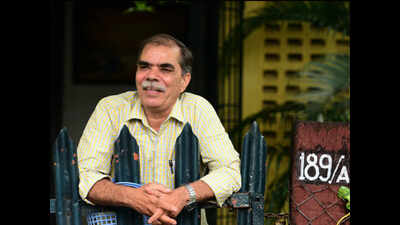
Noel Fuller
You Can Also Check: Chennai AQI | Weather in Chennai | Bank Holidays in Chennai | Public Holidays in Chennai | Gold Rates Today in Chennai | Silver Rates Today in Chennai
John, also a driver with the Indian Railways, went from Coimbatore to Madhya Pradesh and died of a sunstroke in 1870. “His son, my great grandfather, Albert James, worked in Madurai as a fireman, and his son, my grandfather John Burton Fuller, began working as a fireman at the age of 15 and retired as a loco foreman,” says Noel, whose father, Patrick, who began his career in 1951 in the central workshops at Golden Rock, Trichy, as an apprentice mechanic. Stay updated with the latest local news from your city on Times of India (TOI). Check upcoming bank holidays, public holidays, and current gold rates and silver prices in your area.
End of Article
Follow Us On Social Media











Photostories
Hot Picks
Top Trending
Explore Every Corner
Across The Globe
Antonio BrownTommy Fleetwood Net WorthTravis Hunter WifeTaylor SwiftRoblox shutdownShedeur SandersAaron RodgersSouth Carolina CampusSavannah JamesTom BradyPatrick Mahomes MomMotogp Ranking 2025Asia CupRob GronkowskiDeion SandersRaja JacksonMorgan WallenFlorida Truck DriverRambhai PatelQuinton JacksonJaxson DartDwyane Wade WifeSubmarine DealAnna University Result 2025Tommy Fleetwood Net WorthTrump TariffsLeBron JamesJaxson DartDeion SanderDonald McPherson
Hot on the Web
Bigg Boss 19 Contestants ListBigg Boss 19 Launch Live UpdatesBedsheet Changing MistakesIndian WhiskiesLiver HealthKidney HealthDeepika PadukoneAnita AdvaniDhanashree VermaHartalika TeejGovindaVivek AgnihotriVegetarian FoodsHigh Blood Sugar SymptomsAmitabh BachchanClove TeaVitamins For Hair GrowthFish TypesLiver HealthSupplements For BPAnupam KherHair RegrowthRanveer SinghIsha MalviyaYuzvendra ChahalNeetu KapoorIndian LakesWar 2 Box Office CollectionCoolie Movie ReviewCoolie Box Office CollectionAsian Poorest CountriesBest Herbs For MemoryHigh Blood Sugar SignsKidney Stone PainHigh Cholesterol SymptomsMaple Syrup Vs HoneyColorectal CancerOral SymptomsVitaminb12 FoodsSide Effects Of BananasFatty Liver SymptomsKidney Damage Symptoms
Trending Topics
Shilo SanderHailee SteinfeldTravis KelceAaron RodgerNHL Trade RumorsConnor McdavidMatthew KniesDarja VarfolomeevScottie SchefflerShaquille Oneal SonKevin DurantNHL Trade RumorsHector Luis GarciaMinnesota VikingsShedeur SanderAB HernandezJKSSB Constable ResultsWBCAP UG Merit ListOscar PiastriGreater Noida MurderKolkata Airport Dog AttackAhmedabad Student MurderBihar RJD MLA NewsOperation SindoorKarnataka E ChallanBengaluru Bike Taxi ServiceKolkata MurderTejashwi YadavAhmedabad School MurderDharmasthala Mass Burial CaseJeff BezosEpic CEO FaulknerTiktok Back In IndiaApple iPhone 17Bill GatesGTA 6Kairan QuaziNyt ConnectionsEarth Split Captured On CameraTCS LayoffsSam AltmanWordle Today
Popular Categories
HeadlinesSports NewsBusiness NewsIndia NewsWorld NewsBollywood NewsHealth+ TipsIndian TV ShowsTechnologyTravelEtimesHealth & FitnessNFLAugust Long Weekend 2025India vs EnglandAstrologyWeather TodayPlatinum Rate TodaySilver Rate TodayGold Rate TodayIs Bank open todayIs Bank Open TomorrowBank Holidays in AugustPublic Holidays in AugustStock Market HolidaysFinancial CalculatorsTechnology NewsInternational SportsPublic HolidaysBank Holidays
Latest News
La Liga: Kylian Mbappe shines as Real Madrid cruise to 3-0 win over Real OviedoStarship setback: Elon Musk’s SpaceX scrubs tenth test flight; ground systems glitch delays launchRegena Cassandrra: Storytelling can never become redundantDaily Horoscope: Today's astrological predictions for August 25, 2025Aquarius Daily Horoscope Today, August 25, 2025: Delaying today will cost you tomorrow"The league is conspiring against that family": Fans bring racism debate as Buccaneers waive Shilo Sanders after preseason ejection shockerDaniel Dae Kim on kind of role he is willing to play in his career: "I would love to be a romantic lead"ICSI CS June 2025 results: ICSI to release CS June 2025 exam results today at icsi.edu; here’s when and how to checkWhen Govinda joined Asha Bhosle on stage and impressed with his moves on ‘Piya Tu Ab Toh Aaja’ - WatchCheteshwar Pujara : 'Time to give the next generation a chance' – Post-retirement interviewSouth Carolina campus scare: University issues all-clear after active shooter alert; viral clip of ‘umbrella guy’ blamed for scareLady Gaga recalls fiancé Michael Polansky’s special advice that inspired her during Mayhem Ball tour stop in New York CityPokemon GO Necrozma Raid Guide: Best Counters, Strategy, 100% IVs, Strengths, Weaknesses, Fusion Unlocks, and MoreHailee Steinfeld stuns fans in chocolate brown leather outfit as Josh Allen prepares for the NFL seasonHow much do Web Developers earn in the US in 2025?Charlie Day backs Jennifer Aniston in ‘absolutely’ wanting ‘Horrible Bosses 3’'War 2' box office collection day 11: Hrithik Roshan, Jr NTR, and Kiara Advani starrer mints over Rs 220 crore in second weekend; trails Rajinikanth's ‘Coolie’Sale of IDBI Bank a step closer after LIC gets Sebi nod
Copyright © 2025 Bennett, Coleman & Co. Ltd. All rights reserved. For reprint rights: Times Syndication Service