
- News
- City News
- bengaluru News
- Faster Journeys for Long-Distance Rail Passengers: South Western Railway to Speed Up 123 Trains from January 2026
Faster Journeys for Long-Distance Rail Passengers: South Western Railway to Speed Up 123 Trains from January 2026
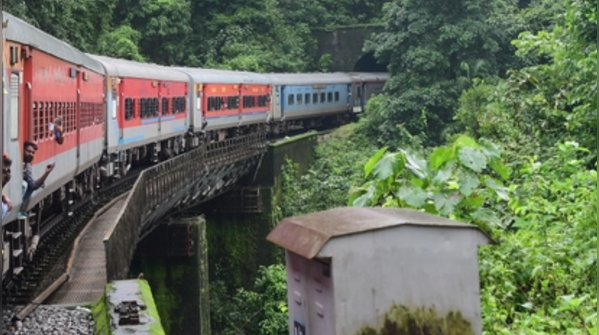
Major Speed-Up Planned from January 2026
South Western Railway will increase the speed of 123 trains starting January 2026. As part of this move, the official timetable has been revised, affecting a total of 414 trains. The change is aimed at improving long-distance travel efficiency across key routes.
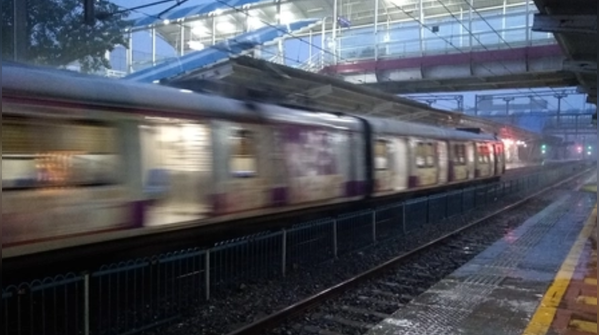
Eleven Express Trains Upgraded to Superfast
Eleven existing express trains will be reclassified as superfast trains. This upgrade means higher average speeds and reduced travel times, helping passengers reach destinations quicker without adding new services to the network.
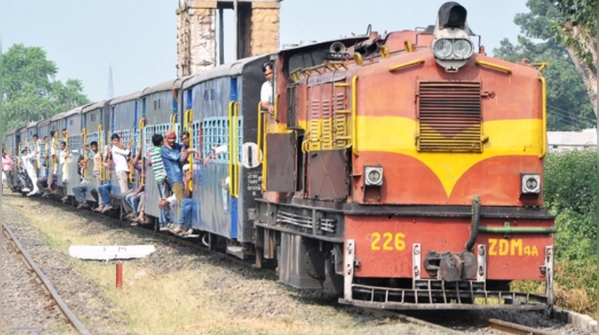
Network Expansion and Upgrades Continue
In 2025, South Western Railway introduced 18 new trains, including two Vande Bharat services. Fifty trains received new stoppages, and eight were upgraded with LHB coaches, showing continued expansion and modernisation alongside timetable changes.
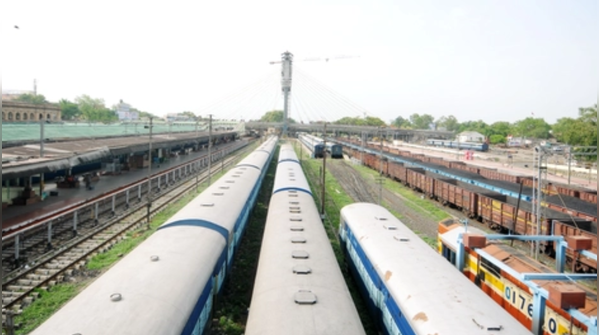
Midnight Schedule Change Sparks Criticism
One revision has drawn strong public criticism. The Hubballi–Bengaluru Superfast Express will now depart an hour later, after midnight. Passengers have raised concerns that this timing is inconvenient for working professionals, families and elderly travellers.
Some Trains Will Run Slower
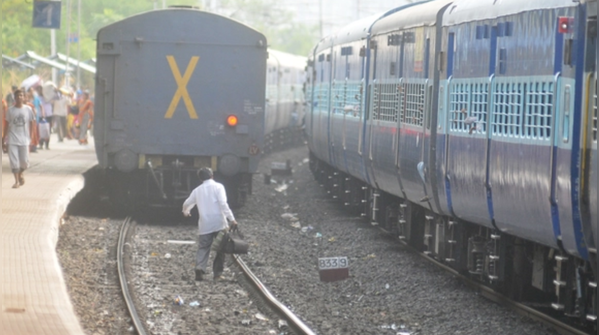
While over 100 trains will run faster, about 300 trains will have revised schedules, and some may be slowed down. These adjustments are necessary to balance network capacity and ensure smooth operations across different routes.
Annual Timetable Exercise
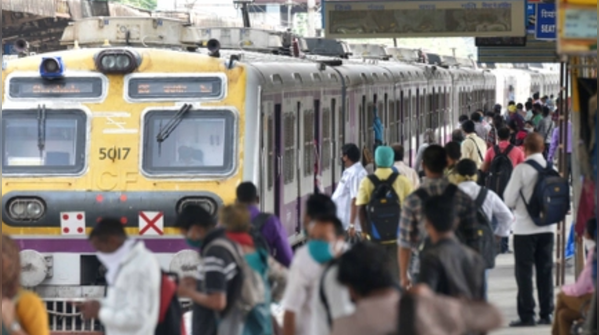
Speed revisions are part of a regular yearly exercise. Similar timetable updates are released annually, and last year nearly 100 trains were sped up using the same method. This reflects a continuous effort to optimise train operations.
Faster Trips to Jodhpur and Mumbai
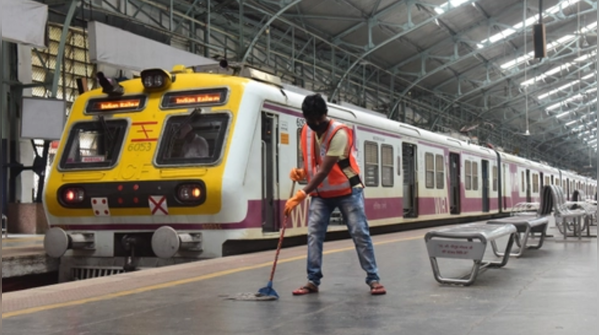
The KSR Bengaluru–Jodhpur Express will complete its journey 1.5 hours earlier, while the Hubballi–Dadar Express will reach Mumbai one hour sooner. These reductions are significant for passengers on busy northbound and westbound routes.

Use of Built-In ‘Slack Time’
Railway officials explained that trains are being sped up by adjusting built-in buffer time, known as slack time. This extra time is originally added to absorb delays, and careful adjustment allows faster schedules without affecting operational safety.
Relief for Long-Distance Travellers
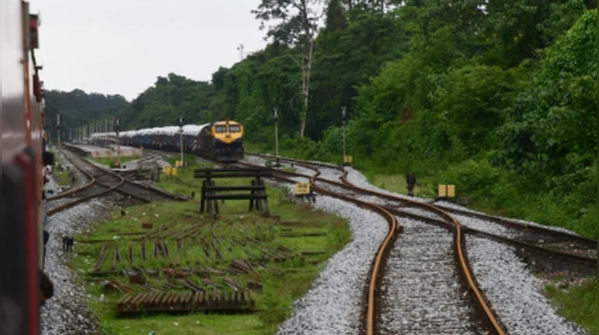
Passengers travelling from Karnataka to Gujarat, Rajasthan and Mumbai are expected to benefit the most. Faster trains will reduce journey fatigue and improve connectivity between major regions, especially for those who depend on overnight and long-haul rail travel.
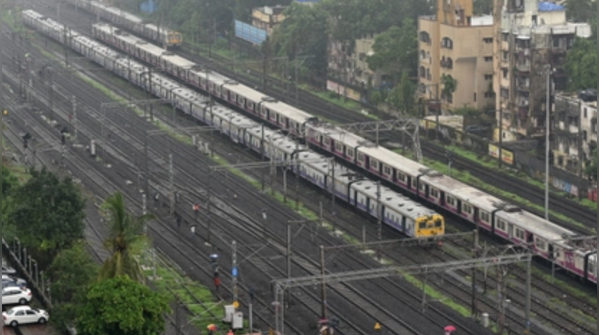
Bengaluru–Gandhidham Journey Cut by Three Hours
The KSR Bengaluru–Gandhidham Express will see a major improvement. Its total journey time will drop from 38 hours to 35 hours, strengthening rail connectivity between Karnataka and Gujarat and making the route more attractive for long-distance travellers.
Featured In City

