
- News
- City News
- bengaluru News
- Bengaluru’s Blue Line: Veeranapalya station to get 3 storeys, shopping hub
Bengaluru’s Blue Line: Veeranapalya station to get 3 storeys, shopping hub
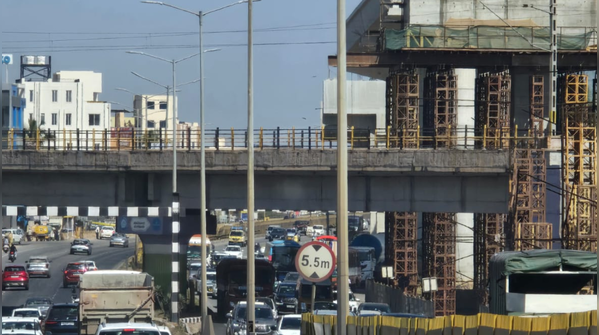
Veeranapalya Metro Station Gets Dedicated Commercial Space
The upcoming Veeranapalya Metro station on the Blue Line will feature a three-storey structure, with one entire floor dedicated to commercial activity. This design aims to cater to high footfall from nearby tech hubs and provide convenient shopping for commuters.
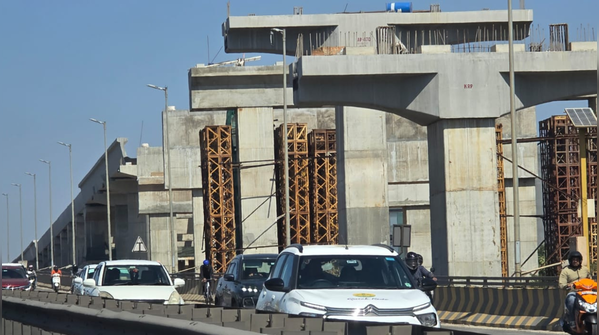
Station Design Differs from Standard Layouts
Unlike typical metro stations with two levels, Veeranapalya station’s first level will be allocated to property development, followed by the concourse and platform. This new approach integrates transit and commercial spaces, creating a modern, multi-purpose facility.
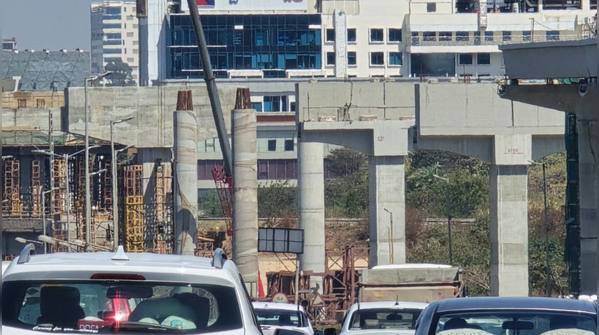
Location Strategically Chosen for Tech Workers
Positioned next to Manyata Tech Park, Veeranapalya station is expected to serve a large number of IT professionals daily. The station’s design and commercial facilities are tailored to meet the needs of tech sector employees who frequent the area.
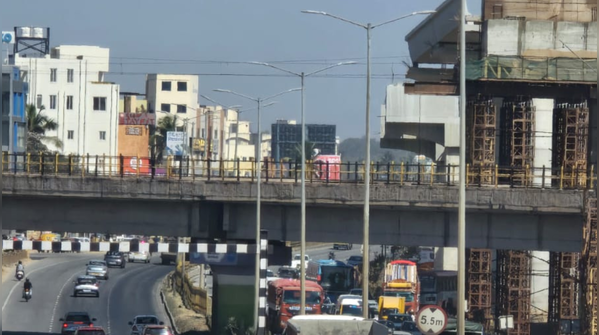
Horamavu Station Nears Completion
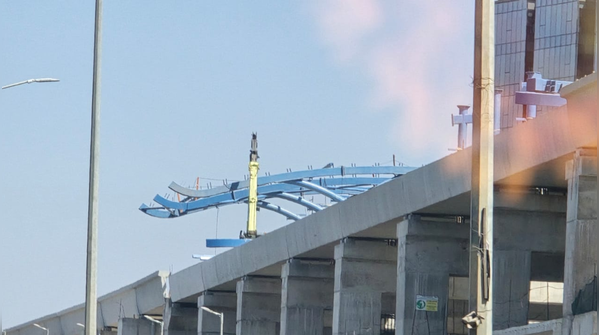
Civil works at Horamavu station along the north-east Blue Line corridor have reached an advanced stage. Completion of this station will improve accessibility for commuters in the surrounding residential and commercial areas, enhancing connectivity across the corridor.
HRBR Layout Station Faces Delays
Progress at HRBR Layout station has lagged compared to neighbouring Kalyan Nagar and Kasturinagar stations. Construction challenges and coordination issues have slowed development, potentially affecting the overall timeline for Blue Line completion in this segment.
Nagawara Underground Station Nears Completion
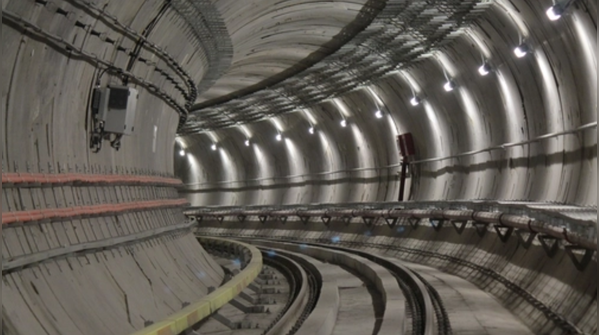
The underground Nagawara station, part of the Pink Line, is almost finished with 98% of construction completed. It will serve as an interchange with the Blue Line, facilitating smooth transfers between elevated and underground metro routes in Bengaluru. (File photo)
Pink Line Timeline Still Slightly Flexible
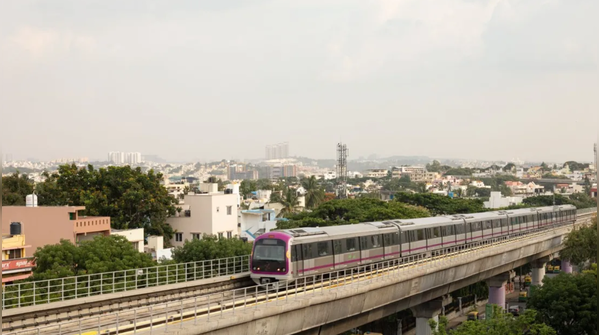
The Pink Line, including the Nagawara underground station, is projected to finish by December 2026. Depending on construction progress, this schedule may shift by a month or two, but the advanced work indicates the project is largely on track.
Commuter Convenience Focused in Design
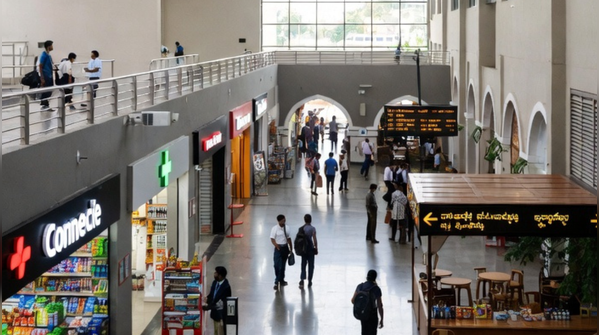
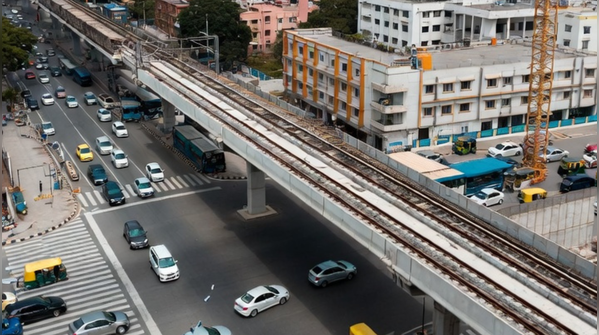
The integration of a commercial floor at Veeranapalya station prioritises commuter convenience, offering shopping and service options directly within the station. This approach reduces the need to travel elsewhere and enhances the daily experience for metro users. (PHOTO CREDIT: AI)
Frustration Over Transport Coordination
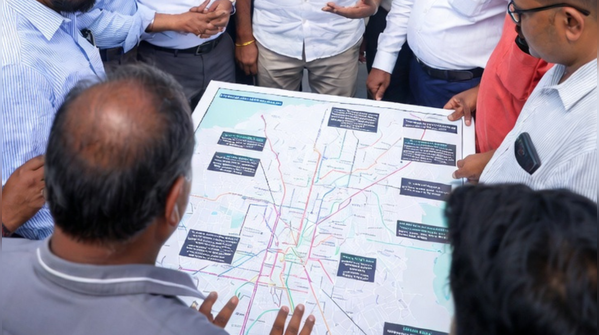
Mobility activists expressed growing concerns over the Directorate of Urban Land Transport’s (DULT) inaccessibility. Despite repeated outreach attempts, the agency has remained largely unresponsive, hindering efforts to coordinate integrated transport and improve city-wide planning. (PHOTO CREDIT: AI)
Integrated Transport Planning Remains a Challenge
Weak coordination among various transport agencies continues to hamper seamless transport development in Bengaluru. Activists argue that greater accessibility, transparency, and cooperation are needed for effective planning and execution of metro and other urban mobility projects. (PHOTO CREDIT: AI)
Featured In City

