
- News
- City News
- bengaluru News
- Bengaluru to Chennai in record time? 263km expressway set for 2027 launch
Bengaluru to Chennai in record time? 263km expressway set for 2027 launch
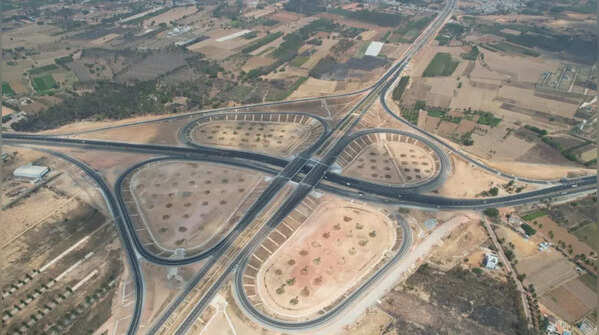
263km Mega corridor across 3 states
The Bengaluru–Chennai Expressway spans 263km across Karnataka, Andhra Pradesh and Tamil Nadu. Envisioned as a high-speed greenfield corridor, the ambitious project aims to transform inter-city road travel but continues to face delays despite phased construction progress.
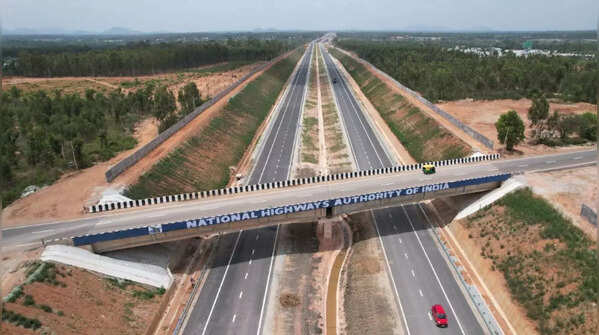
Full opening now likely by 2027
Originally slated for 2024 and later June 2026, the expressway’s complete commissioning is now expected in early 2027. Delays stem from forest clearances, land acquisition hurdles, financial stress faced by contractors and pending execution of key stretches.
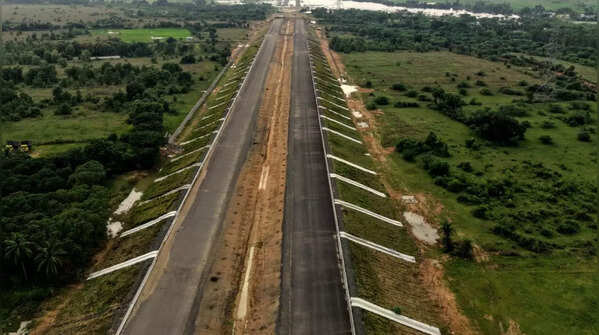
Karnataka stretch fully operational
The 72km Hoskote–KGF section in Karnataka has been operational for nearly a year. However, seamless end-to-end high-speed connectivity remains unrealised as adjoining stretches in Andhra Pradesh and Tamil Nadu are still under construction.
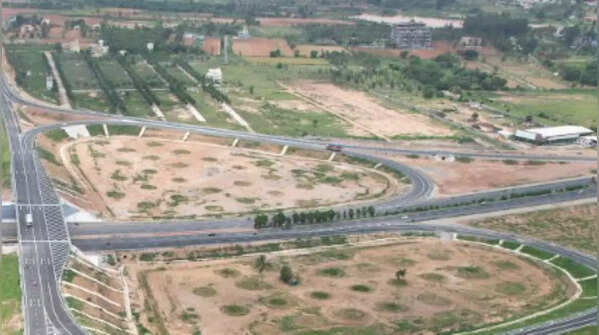
AP & TN sections nearing completion
While the 85km Andhra Pradesh stretch is 92% complete, the 106km Tamil Nadu portion stands at 80%. Despite substantial progress, bottlenecks in specific packages have slowed the final commissioning of the entire corridor.

Arakkonam–Kancheepuram work stalled
Construction on the critical 25.5km Arakkonam–Kancheepuram stretch in Tamil Nadu has halted since May 2025 due to the concessionaire’s financial troubles. NHAI has initiated contract termination, with lenders proposing a replacement developer.
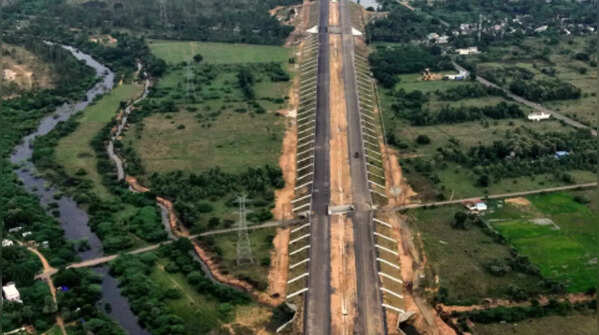
Designed for 120kmph high-speed travel
The greenfield expressway is engineered for speeds up to 120kmph. Once operational, it is expected to slash travel time between Bengaluru and Chennai from 6–7 hours to just over two, significantly boosting trade and passenger mobility.
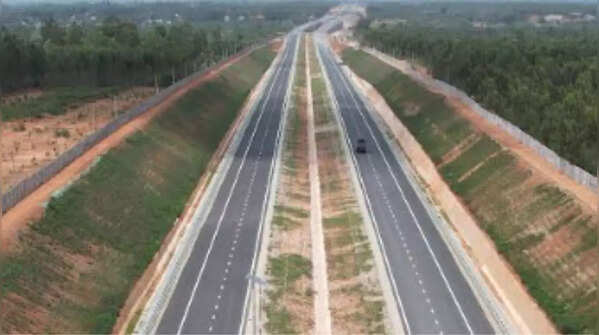
Multiple hurdles slow momentum
Apart from financial constraints, the project has faced forest clearance delays, land acquisition challenges, hard-rock formations and unseasonal rainfall. These cumulative factors have pushed timelines beyond earlier government projections.
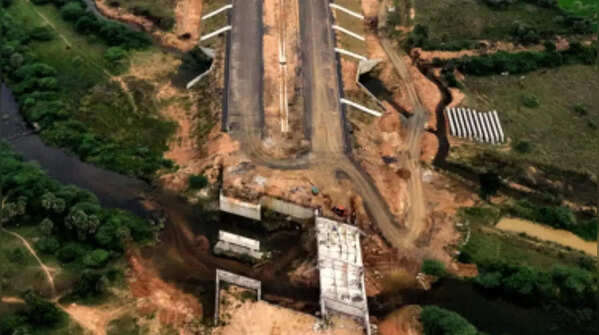
NHAI eyes March 2027 commissioning
Though most remaining stretches may be completed by mid-2026, sources indicate full corridor commissioning could extend to March 2027. Motorists continue to await the promised faster and smoother alternative to the existing 340km route.
Featured In City

