
Trending
This story is from October 17, 2010
Aligarh Muslim University, among Indian Muslims today?
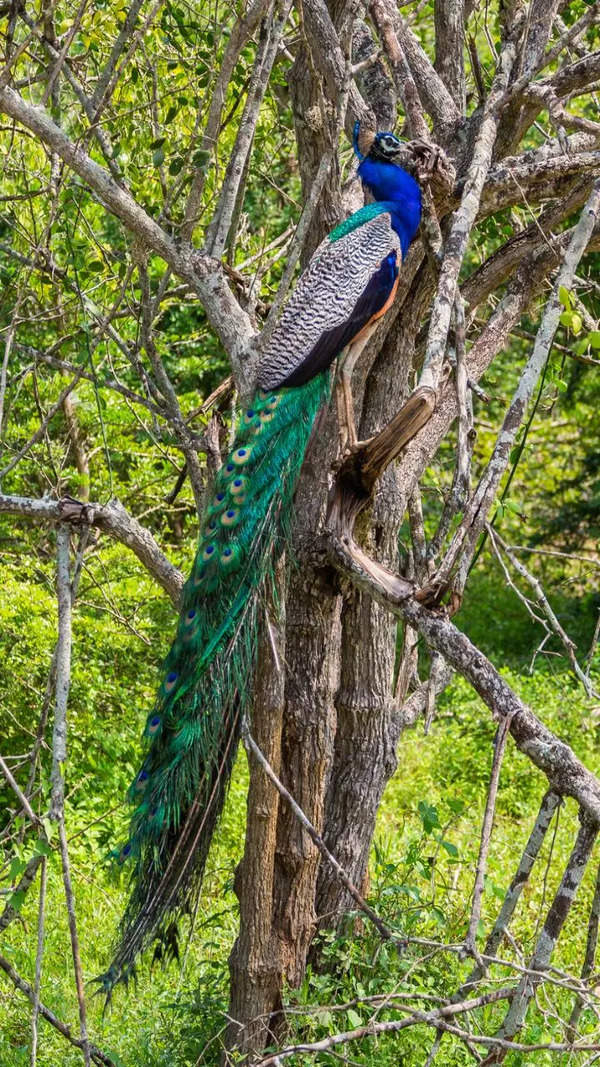
A dreamy serenity prevails in Khambachapada where tribals share their life with peacocks, snakes and the occasional leopard.

To a city-bred yuppie, this pre-dominance of Nature over technology may seem refreshing , even poetic. But from the point of view of the dog that's yawning outside a hut right now, this village in Goregaon's Aarey Milk Colony is, in all probability, a boring habitat.

Also, not very far from Khambachapada, is Aarey's famous "picnic spot' ' where, for an entry fee of Rs 5, couples ensure weekly privacy, low-budget films seek natural song locations and schools acquaint kids with the elusive phenomenon called Nature. But 40-year-old Rama Arjun Hadal, who is busy axing the ground outside the hut he shares with his mother, wife, three kids and "four or five' ' roosters, does not feel the need to visit any such spot. "Ours is right here," he smiles, referring to the free-of-charge , dreamy canvas of trees, fog and domestic animals that surrounds his hut perpetually . Though this tribal, who has been working in the supply department of the BEST for over 13 years now, is not blessed with 24-hour power supply, there's enough air, light and distraction outside to keep him and his gang of giggly kids entertained.
Khambachapada, after all, is the kind of place the forest department frequents for its promise of rare sights like tigers, leopards and, as Hadal's niece, Vaishali, remembers , "a two-headed black snake" . The tiger that the kids spotted here once was huge; the leopards the reason people like Hadal don't keep dogs any more; and the snakes tread freely in the village's version of the nursery. Yet, there is no apparent fear of wildlife in the eyes of these kids, only a healthy curiosity . "These kids even climb trees in no time," muses Varun Kapoor of the NGO YUVA, who comes here every Sunday to teach them maths and English.
In return, the kids are now taking him on a tour of their engaging, leafy neighbourhood , surprisingly pleasant even in the unforgiving October heat. They show him the pond, in which a bathing snake causes ripples of excitement ; then the orchard, where every house grows vegetables. Here, they collectively chase a yellow-black butterfly and greet the resident spider with cries of "Spiderman" . On the exhausting climb up the steep 20-minute slope to the sole school they even saw a dancing peacock once, they tell you excitedly.
While the ruminating cows in Khambachapada are yet to get used to the sensory assault of cars and bikes, hints of technology like the newly erected solar lights and the dish antenna are slowly making their presence felt in the pristine village. Yet, just like the dog that's guarding the common loo here, there seems to be a fierce sense of ownership among the residents of the natural territory. A fact reinforced unintentionally by a remarkable sketch of Stone Age cartoon character Fred Flintstone on a wall and quite directly by another wall which screams in bold, "Hi zameen aamchi, naahi kunachachya bapachi." The vegetables, of course, say so non-verbally .
End of Article
FOLLOW US ON SOCIAL MEDIA




Photostories

Hot Picks
TOP TRENDING
Popular Categories
Hot on the Web
Top Trends
IND vs NZ Live ScoreBengaluru Collages Bomb ThreatSteve SmithNEET PG SC HearingMohammad KaifShailaja PaikHaryana Election ResultUGC NET ResultRishabh PantNima Hospital Doctor MurderTaylor SwiftThe RockWomen's T20 World CupTop MBA Colleges of IndiaT20 WC ScheduleWomen T20 World Cup Points TableLive Cricket Score
Trending Topics
Samantha Ruth PrabhuNavratri Colours 2024Navratri Day 2 ColourTMKOC New SonuNaga ChaitanyaDevara CollectionGOAT OTT ReleaseRajinikanthDeepika PadukoneGovindaDevaraGovinda NewsDevara Movie ReviewHealthy RaitasSwatantrya Veer SavarkarColdplay India tour 2025Maa Durga 108 NamesNavratri JewellerySony Bravia 55 inch 4k Ultra HD TVWordle Answer
Living and entertainment
Latest News
Kolkata’s Ganga ghats transform into a hub of rituals with the arrival of DurgaNavratri Will Be Luckiest for These Signs5 corporate employees share their workplace horror storiesISL: Borja’s left foot to Goa’s rescueNeelam Kothari speaks out against ageism says 'aunties' label is uncoolWill join NCP (SP) with supporters, says BJP leader Harshvardhan PatilManju Pavagada gets engaged in a close affair; pictures go viral on social mediaCommunity Connect: Hungry for connectionInsider Claims Nick Sirianni Plays 'Madden' with Eagles, While AJ Brown Is Celebrated as Jalen Hurts' SaviorKolkata shoppers flood markets ahead of Durga Puja weekend rushWWE Throwback: Shawn Michaels retires with a heartfelt speech after losing the “Career vs Streak” matchMysuru all set for a glittering DasaraSupreme Court dismisses pleas seeking review of sub-classifications in SC reservation judgment'Disappointing, condemnable but not ... ': India on fugitive Zakir Naik's Pakistan visitTechnological advancements have revolutionized cancer treatment, say doctorsPakistan seals off capital, suspends internet ahead of rally by Imran Khan's supporters'Brand of ISPL is growing': League's head of selection Jatin Paranjape"That was legit a thank you" WWE superstar reveals jaw-dropping gesture for AEW fans after historic return
Copyright © 2024 Bennett, Coleman & Co. Ltd. All rights reserved. For reprint rights: Times Syndication Service