
- News
- Business News
- International Business News
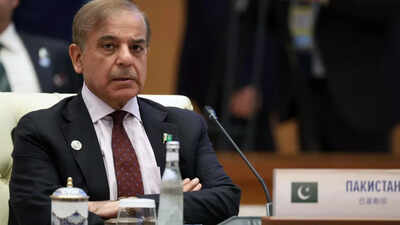
- Why the UAE asked Pakistan for its $3.5bn back
Trending
Why the UAE asked Pakistan for its $3.5bn back

About the AuthorTOI Business Desk
End of Article
Follow Us On Social Media

Hot Picks
Top Trending
Tired of too many ads?go ad free now
Trending Stories
In Business
Entire Website
- Stock market today: Nifty opens in red, stays above 24,050; Sensex drops over 100 points
- Acko kicks off IPO process; eyes up to $2.5 billion valuation
- Top stocks to buy today: Stock market recommendations for April 28, 2026 - check list
- Banks to report all related party forex derivative transactions: RBI
- Trai paper aims to scale up public Wi-Fi
- RIL, Axis Bank & more: Top stocks to watch today
- Index for services, like IIP, in offing
- Zoho's Sridhar Vembu urges Indians in US to come back
- West Asia conflict: Auto companies feel price pressure
- CERT-In warns MSMEs on new AI risks
- Assam HS Result 2026: AHSEC Assam Class 12 result 2026 to be declared shortly; check official websites, how to download marksheets at ahsec.assam.gov.in, asseb.in
- CBSE Class 12 Result 2026 Live Updates: Expected release date, evaluation process, and official information on result declaration status
- Board Exam Results 2026 Live Updates: Telangana, Andhra Pradesh, Assam and CISCE results expected within April; here are the dates
- ‘Best time to buy a gun… today’: Chilling online trail of suspect behind Trump dinner shooting
- Green Card update: US judge rules USCIS cannot pause applications indefinitely
- Putin ally’s $500 million Russian superyacht sails through Strait of Hormuz despite US blockade: Report
- 'Unfair on her achievements': Internet fumes after Olympic medallist Manu Bhaker asked about Vaibhav Sooryavanshi
- IPL 2026 | 'If anyone can challenge Virat Kohli, it's ... ': Ex-India star calls RCB stalwart's IPL record 'stepping stone'
- 'Too many minds don't make it easy': Did Rishabh Pant throw LSG management 'under the bus'?
- Putin says Russia to back Tehran's interests after message from Iranian Supreme Leader
Financial calculators









Explore Every Corner
Across The Globe
US Iran War NewsSensex TodayAssam HS ResultElection 2026Dianna RussiniRCB vs DC HighlightsLuka Doncic InjuryNFL Trade RumorWWE Raw HighlightsIPL 2026 Points TableJaden IveyMike VrabelIPL Purple CapAustin Reaves Injury UpdateBengaluru Employee Death NewsArvind KejriwalSerena WilliamsAuston MatthewsDawood IbrahimBengal Opinion pollsConnor McDavidCBSE 12th ResultNew England PatriotsWho is Sahil ParakhKylian MbappeLowest Score in IPL HistoryIPL Schedule 2026Jake DennisOrange Cap Holder in IPL 2026Board Exam Results

Hot on the Web
Farhan AkhtarGilbert StrangBharat Kapoor DeathShraddha Kapoor HouseSanjay DuttSundar PichaiShah Rukh KhanVaibhav SuryavanshiNidhi ShahGhee Purity CheckKnowledge vs WisdomAmole GupteNitara KumarBhooth Bangla Box Office CollectionKavita PaudwalSundar Pichai QuoteJana NayaganAamir KhanLIK CollectionDacoit Box Office CollectionAntonio VicenteAshwin KaushalDhurandhar 2 Box Office CollectionBhooth Bangla Movie ReviewRishi KapoorCriminal Record Season 2 ReviewDhurandhar 2 ReviewDhurandhar 2 CollectionMovierulzHoroscope TodayToday Gold Rate in ChennaiDelhi Weather TodayDelhi AQI TodayMumbai AQI TodayMaharashtra Public Holidays 2026Elon Musk Vs Sam AltmanHamster Kombat Daily CodeKing Legacy CodesGenshin Impact CodesGarena Free Fire Max Redeem CodesMicrosoft Outlook Down
Trending Topics
Ayush VartakMitchell StarcAssam HS Result 2026IPL Points TablePreity ZintaAssam HS Class 12th ResultWest Bengal ElectionsMitchell SantnerDelhi CapitalsKeon ColemanHarmanpreet KaurLIC HFL Junior Assistant RegistrationBrady TkachukUP Triple MurderDelhi PoliceFaridabad Suicide NewsPetrol Diesel Price TodayPaytm Share Price TodayRCB vs GTTop Stock Recommendations TodayRinku SinghAssam HS Class 12th Result 2026Krunal PandyaGold Prediction TodayShatabdi JunctionMadhya Pradesh AccidentMumbai MetroMamata BanerjeeSun PharmaShimla MurderSam AltmanSatya NadellaGreen Banana VS Red BananaElon MuskSusan DellJohn TernusChip Price RisingDario AmodeiJeff BezosSridhar VembuBlue Lock Rivals Codes
Popular Categories
HeadlinesSports NewsBusiness NewsIndia NewsWorld NewsBollywood NewsHealth+ TipsIndian TV ShowsTechnologyTravelEtimesHealth & FitnessAstrologyInternational SportsDeorhiTechnology NewsAutoWeather TodayGold Rate Today DelhiSilver Rate TodayPlatinum Rate TodayIs Bank open todayVirat Kohli IPL StatsHardik Pandya IPL StatsBank HolidaysPublic HolidaysBank Holidays AprilPublic Holidays AprilWest Bengal Exit PollsAssam Exit Polls
Trending Videos
Iran Backs Mali After Jihadists Go Berserk, Assassinate Def. Minister As Russia Steps In MilitarilyMumbai-Solapur Vande Bharat Express Derails On Diamond Crossing While Entering Pune Station Four Killed, 70 Hurt As Taliban Blames Pak Strikes, Peace Hopes ShakenIran May Seek Soleimani Revenge As WHCA Dinner Shooting Exposed Security Weakness, Expert WarnsTrump Snaps On Live TV: Calls Anchor ‘Horrible,’ Denies AllegationRising ‘The Voice’ Singer Dylan Carter Dead; Fatal Highway Crash In South CarolinaTrump Lashes Out At Reporter in Tense Clash Over WHCD Shooter’s ManifestoTMC, Akhilesh Hit Out Over Deployment Of UP’s ‘Singham’ In Abhishek Banerjee StrongholdIran Attacks Togo-Flagged Tanker With 17 Indian Seafarers Near Oman; All Safe
Latest News
Hazaribag man drowns while fishing in lake"Behen Darr Gayi!": Fans relive ‘Bhagam Bhag’ era after watching Akshay Kumar's 'Bhooth Bangla' trailerMBOSE HSLC result 2026 to release tomorrow: Check details hereIran war risk: JPMorgan CEO Jamie Dimon warns of oil shocks, sticky inflation and higher interest ratesMake your clutch last longer with these easy driving tips“Three-against-one situation”: El Rubius opens up on being “targeted” in MrBeast’s viral $1M challengeBihar BTSC lab assistant notification released for 1091 posts at btsc.bihar.gov.in; apply hereIPL craze costs techie Rs 1.46 lakh in fake RCB vs CSK ticket scamRaising “robot-proof” kids: Why creativity and curiosity matter more than everInside ‘Satguru Sharan’: Exploring Saif Ali Khan and Kareena Kapoor Khan’s Rs 100 crore Bandra homeHow selling Alaska in 1867 was a costly mistake for Russia'Hera Pheri 3 is coming': Paresh Rawal dismisses delay reports and reveals he will 'start shooting soon'US-Iran War: A daring rescue Hollywood blockbuster is on its way. Till then, pick your favourite from these 10 films on bringing someone home against all oddsKolkata team unveils fan mural at Rash Behari Avenue, celebrating city’s first loveHow US spread a lie to rescue a pilot of a jet shot down in IranNetflix unveils ‘VOID’, an AI model that can change a movie plotAI data centers are causing 'stress' not just to tech companies, but also private insurers"Trans women are.....": Clavicular’s viral moment with trans women sparks fresh conversation on internet culture
Copyright © 2026 Bennett, Coleman & Co. Ltd. All rights reserved. For reprint rights: Times Syndication Service