
- News
- Business News
- India Business News
- Shareholders raise queries on TaMo dividend
Trending
This story is from July 31, 2021
Shareholders raise queries on TaMo dividend
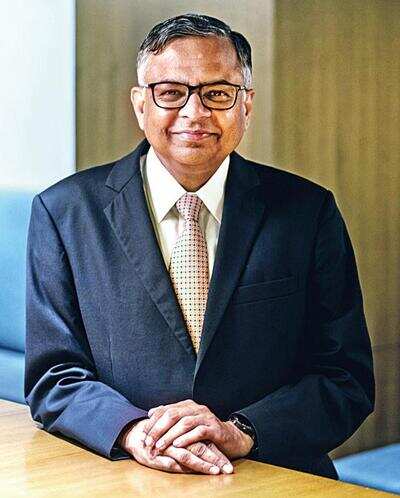
MUMBAI: Tata Motors shareholders have questioned the company’s leadership on goals for dividend payments, even as they lauded the management’s commitment to make the company debt-free by fiscal 2024. The flagship of India’s largest conglomerate, the Tata Group, hasn’t paid dividends to shareholders for the last five fiscals.
At Tata Motors’s 76th AGM on Friday, shareholder Hiranand Kotwani asked when the company would pay dividends.
Responding to the shareholders, Tata Motors chairman N Chandrasekaran said, “We understand your concerns about dividend. We too have that concern. We want to make Tata Motors a dividend-paying company.” Companies pay dividends out of profits or from reserves of accumulated profits. To pay dividends from the reserves of accumulated profits, shareholders’ approval is required. Tata Motors was in the red for the last three fiscals. At last year’s shareholder meeting, Tata Motors had declared that it would become debt-free by fiscal 2024. Though Tata Motors has managed to reduce the net automotive debt by Rs 7,300 crore to Rs 40,900 crore in fiscal 2021, its financial obligations shot up to Rs 61,300 crore by June-end.
But the management is confident of reducing the debt as it expects improved cash flows from the business. “As the impact of the pandemic recedes with more people getting vaccinated, we expect demand to remain strong with consumer preference shifting towards personal mobility,” the chairman informed shareholders.
At Tata Motors’s 76th AGM on Friday, shareholder Hiranand Kotwani asked when the company would pay dividends.
“Though it is heartening to know that the company is sticking to its target of bringing the automotive debt to zero by fiscal 2024, are we going to get dividends then?” Kotwani asked. Another shareholder, Smita Shah, remarked that “the company’s share price is doing good, but please think about dividends too”. Long-time shareholder Adil Irani said, “I do mind if I don’t get a dividend.”
Responding to the shareholders, Tata Motors chairman N Chandrasekaran said, “We understand your concerns about dividend. We too have that concern. We want to make Tata Motors a dividend-paying company.” Companies pay dividends out of profits or from reserves of accumulated profits. To pay dividends from the reserves of accumulated profits, shareholders’ approval is required. Tata Motors was in the red for the last three fiscals. At last year’s shareholder meeting, Tata Motors had declared that it would become debt-free by fiscal 2024. Though Tata Motors has managed to reduce the net automotive debt by Rs 7,300 crore to Rs 40,900 crore in fiscal 2021, its financial obligations shot up to Rs 61,300 crore by June-end.
But the management is confident of reducing the debt as it expects improved cash flows from the business. “As the impact of the pandemic recedes with more people getting vaccinated, we expect demand to remain strong with consumer preference shifting towards personal mobility,” the chairman informed shareholders.
“The supply situation, however, is expected to be adversely impacted for the next few months due to disruptions from Covid lockdowns in India and semiconductor shortage worldwide,” Chandrasekaran said, adding that this will impact production volumes, sales and margins in the near term. “We expect the situation to improve in the second half of fiscal 2022.”

About the Author
Reeba ZachariahEnd of Article
FOLLOW US ON SOCIAL MEDIA









Hot Picks
TOP TRENDING
Trending Stories
In Business
Entire Website
- Will banks open only for 5 days a week? Here’s what you should know about IBA’s proposal
- India set to be third largest economy, says S&P Global
- Dalal Street bull run continues! BSE Sensex crosses 69,000 for the first time; Nifty above 20,800
- Byju’s reduces notice period for employees as troubles mount
- Sensex surges over 900 points, Nifty above 20,550 as BJP state election wins bolster Modi's Lok Sabha 2024 prospects
- UltraTech to buy building materials business of Kesoram in 7,600 crore deal
- Tata Technologies stock debuts at a bumper 140% premium; share price at Rs 1200 on BSE
- Tata Technologies share allotment: How to check IPO allotment status, listing date, GMP
- BSE m-cap rides rally in Adani stocks, tops $4 trillion
- Charlie Munger, who helped Warren Buffett build Berkshire, dies at 99
- Satellite-based toll system to have factory-fitted unit, phased launch
- Troops disengaged in 4 areas, including Galwan valley: China
- Actor dies in his sleep. Why sudden heart attacks are killing Indians
- 'Made to work for 15 hours a day, were fired at if we slacked off'
- Door-to-door campaigns back in J&K, first since 1987 election
- 2nd T20I: Livingstone leads England to thrilling victory over Australia
- Why Rahul should talk more about jobs and less about ideology
- Jhumka Gira Re ...: American woman's Instagram post on India goes viral
- Ford drives into India for 3rd time
- Ahead of PM Modi's Doda rally, 2 soldiers killed, as many injured in operation to smoke out terrorists



Popular Categories
Hot on the Web
Top Trends
Shannon Sharpes Net WorthVande MetroAadhaar Card UpdateTech LayoffsArvind Kejriwal BailShannon SharpeUPSC Mains Admit CardKristina JoksimovicTCS Employee Tax NoticesWay Chatgpt can be your Study PartnerAir Taxi IndiaAyushman Bharat SchemeKolkata Doctor Rape CaseDonald TrumpShreyas IyerDiljit DosanjhLive Cricket Score
Trending Topics
Alia BhattMalaika Arora Father DeathArbaaz KhanNatasa StankovicMr Bachchan OTT ReleaseNational Parks In IndiaSelena GomezGOAT CollectionVikas Sethi DeathMalayalam ProducersIndia's Best Dancer 4Simi GarewalDilli BabuIndian National ParksLaung BenefitsVikas SethiApple iPhone 16SpaceXAadhar Card Update By Sept 14Wordle Answer
Living and entertainment
Latest News
Regina Cassandra calls herself a 'serial dater,' had many relationships :'But I’m taking a break now'Kaun Banega Crorepati 16: Can you guess the answer for this Rs 3,20,000 question on Navy, which contestant Naman Jain incorrectly answered?Exclusive - Has Palak Sindhwani aka Sonu from Taarak Mehta Ka Ooltah Chashmah breached her contract; Neela Film Productions to issue a legal notice to the actress?Mexico's president asks Sinaloa cartel to act 'responsibly' as violence escalates in the northKitchen Tips: How to elevate home cooking to Michelin levelFord drives into India for 3rd timeGrowth potential 7.5% or more: RBI governorHindus take to Bangladesh streets to stop attacks and demand justiceE-commerce speeds up to catch up with Quick commerce'Will take digital public infrastructure stack to 50 nations'Tragic road accident on Mogili ghat road claims seven lives in Chittoor districtSebi gives clean chit to NSE, ex-executives in co-location caseRusty or Ready? Falcons' Cousins Falls Flat in $180M NFL DebutRaveena Tandon apologizes to fans for not photo snub in London: "It was not my intention to offend"Preschools turn nursing homes, retirement age raised: China's demographic crisis explodesBest Phones Under 35000 To Smoothly Carry Out Multiple Tasks On A BudgetBest 50 Inch TV Models: Find Your Perfect Match Across Budgets from Leading BrandsHow to manage eczema in babies
Copyright © 2024 Bennett, Coleman & Co. Ltd. All rights reserved. For reprint rights: Times Syndication Service