
- News
- Business News
- India Business News
- India Business News
- Donald Trump tariffs on India: Can Indian refiners do without Russian oil? ‘Major economic and strategic trade-offs involved…’
Trending
Donald Trump tariffs on India: Can Indian refiners do without Russian oil? ‘Major economic and strategic trade-offs involved…’
Kpler reports Indian refiners possess the technical capacity to operate without Russian crude, but this shift would entail significant economic and strategic disadvantages. Replacing Russian oil, which constitutes a substantial portion of India's refinery intake, would elevate feedstock costs and freight charges. This transition would also misalign product yields, making it a commercially challenging endeavor.
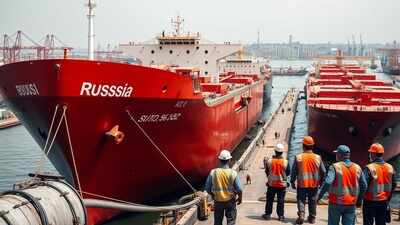
AI-generated image
Tariff shock adds urgency to debate
Quality mismatch and margin pressure
Symbol of India-Russia ties Nayara Energy takes a hit!
Nobel laureate Abhijit Banerjee's advice
Stay informed with the latest business news, updates on bank holidays, public holidays, current gold rate and silver price.

About the Author
TOI Business DeskEnd of Article
Follow Us On Social Media
Visual Stories








Photostories

Hot Picks
Top Trending
Tired of too many ads?go ad free now
Trending Stories
In Business
Entire Website
- Air India Express launches 'Freedom Sale': 5 million seats at discounted fares to mark 79th Independence Day; details here
- Currency watch: Rupee slips 17 paise to 87.75 against US dollar; importer demand and higher crude prices weigh on sentiment
- Nifty50, BSE Sensex show resilience: Why stock markets are not taking Donald Trump's tariff threats too seriously
- Ford EV shift: Automaker to invest nearly $2 billion in Kentucky plant; plans affordable midsize electric pickup by 2027
- US chip policy: Nvidia, AMD agrees to share 15% China sales revenue with Washington; deal tied to AI export license
- US markets today: Wall Street holds near record highs ahead of inflation data; Federal Reserve cautious on rate cuts as stagflation fears rise
- IPO watch: BlueStone Jewellery issue subscribed 39% on debut; QIBs drive demand as retail stays steady
- Adani expands MRO footprint; to acquire stake in Indamer Technics
- Donald Trump’s 50% tariffs on India spark outrage: Calls for boycotting US-based brands grow on social media; self-reliance in focus
- Can Indian refiners do without Russian oil? ‘Major economic and strategic trade-offs involved…’
- 'Not risking my career': United Airlines pilot refuses to fly after passenger smokes weed on plane, fears positive drug test from second-hand marijuana
- Mahomes gets family, brother Jackson’s support after preseason benching
- Microsoft CEO Satya Nadella to employees: It's no longer enough to be software factory, must become…
- Nvidia CEO Jensen Huang checks salaries of company's entire 42,000 employees; says: It's a strategy that …
- Taylor Swift on going public with Travis Kelce: 'Proud of each other'
- Baba Vanga Predicts These Zodiac Signs Will Become Millionaires Soon
- Tyreek Hill, ex Keeta Vaccaro rush baby Capri to ER; now recovering
- Magic Johnson & Wife Cookie share heartfelt moment honouring Lakers legend’s mother
- Elon Musk updates Mars mission timeline: Starship crewed by Optimus possible in 2026; real target now 2028–2030
- Common qualifications that techies hired by Mark Zuckerberg personally at $100 million-plus salary packages have: Degree in ...
Financial calculators






Tired of too many ads?go ad free now
Explore Every Corner
Across The Globe
Russell WilsonsTaylor SwiftTyreek HillMagic JohnsonLeylah FernandezConnor McDavidPatrick MahomesAndre Agassi DaughterMartina NavratilovaTom BradyAllen lversonShedeur Sanders MomAlex OvechkinHonkai Star Rail 3.5NBA Trade RumorsCarlos AlcarazWWE RAW PreviewMadden NFL 26 RatingsWayne Gretzky DaughterNazem KadriSchlep Roblox ControversyLuke LittlerPokemon GoMichael JordanDez BryantTyrese HaliburtonJaxson DartBronny James AnniversaryKevin DurantCasey Rogers
Hot on the Web
Kidney DamageDisha VakaniBaaghi 4 TeaserKidney Disease SymptomsIndependence Day 2025Mohit SuriColon CancerBanana BreakfastFreshwater Aquarium FishGuava Leaf TeaTamannaah BhatiaVitamin B12 DeficiencyOptical IllusionHigh Blood Pressure SupplementsSunjay KapurBaba Vanga PredictionNamrata ShirodkarAamir KhanVitamin D Deficiency SymptomsBowel CancerBlueberries Health BenefitsGreen TeaKingdom Box Office CollectionKingdom Movie ReviewMahavatar Narsimha Box Office CollectionDhadak 2 Box Office CollectionSaiyaara Box Office CollectionSon of Sardaar 2 Box Office CollectionDhadak 2 Movie ReviewSon of Sardaar 2 Movie ReviewSaiyaara Movie ReviewShowering After MealsBaby Girl NamesSimple Habits To Improve SleepThyroid HormonesEarth Split Caught On CameraEating Apples Daily BenefitsUrine ColourGreen TeaFastag Annual PassSwelling In AnklesColon Cancer Vs Irritable Bowel Syndrome
Trending Topics
Paulina GretzkyYouTuber SSSniperwolfPaige BueckersFaith MillarNicki MinajSummerSlam 2025Parker WhitfieldBattlefield 6Travis KelcePokemon GOLok Sabha Sports BillRohit Sharma New CarBCCIVirat Rohit Last ODIHardik PandyaCBSE Board ExamSundar PichaiCBSE Open Book ExamUS Student Visa UpdateNagpur AccidentUS TariffsUAV drone dealXinjiang-Tibet rail lineNSDL stockOdisha MurderIIT Roorkee Data BreachTamil Nadu Student MurderShedeur SandersJosh AllenTriple TalaqElon MuskGTA 6Sam AltmanNyt Connections HintsWordle TodayMelinda GatesTaylor SwiftTesla ShowroomTaylor SwiftsJeff BezosWarren BuffettBryan Johnson
Popular Categories
HeadlinesSports NewsBusiness NewsIndia NewsWorld NewsBollywood NewsHealth+ TipsIndian TV ShowsTechnologyTravelEtimesHealth & FitnessNFLAugust Long Weekend 2025India vs EnglandAstrologyWeather TodayPlatinum Rate TodaySilver Rate TodayGold Rate TodayIs Bank open todayIs Bank Open TomorrowBank Holidays in AugustPublic Holidays in AugustStock Market HolidaysFinancial CalculatorsTechnology NewsInternational SportsPublic HolidaysBank Holidays
Latest News
Rasmus Andersson fires back at NHL trade rumors, calls speculation “overblown”Chhoriyan Chali Gaon's Surabhi Mehra of Chinki Minki opens up about an accident which left her paralysed; says 'I told Samriddhi to take care of our parents'Marc-André Fleury’s wife, Véronique Larosee Fleury, hosts a star-studded retirement celebrationTrump orders federal takeover of Washington DC after declaring emergencyRaveena Tandon blames local bodies for stray dog crisis, reacts to SC verdictJohn Abraham opens up on how his marriage to Priya Runchal stayed scandal-free: 'I never went to parties even before...''Liberation Day': Why is Trump taking over Washington DC? All you need to know about crackdown in deep blue stateBobby Deol breaks silence on the average performance of the Suriya-starrer 'Kanguva': 'When the script doesn’t…'Harvard admissions face renewed investigation: What you need to know about Trump's latest orderTexas floods uncover 115-million-year-old dinosaur footprints'Imagine if Biden had said this': Trump trolled for 'I'm going to Russia' slip-up; 'Alaska's going back...'BJP hails unopposed wins in panchayat posts in Uttarakhand as boost to CM Dhami’s development pushSaiyaara OTT release: When and where to watch Ahaan Panday and Aneet Padda’s hit film onlineAir India Express launches 'Freedom Sale': 5 million seats at discounted fares to mark 79th Independence Day; details hereDominique Hampton released from Washington Commanders after brutal loss to New England PatriotsChennai Grand Masters 2025: Vincent Keymer remains tournament leader; Arjun Erigaisi one point behindCurrency watch: Rupee slips 17 paise to 87.75 against US dollar; importer demand and higher crude prices weigh on sentimentImpeachment Of A Judge: The Plot Always Thickens
Copyright © 2025 Bennett, Coleman & Co. Ltd. All rights reserved. For reprint rights: Times Syndication Service