
Why BMW cars are so expensive: The features that make them stand out
Why BMW cars are so expensive: The features that make them stand out
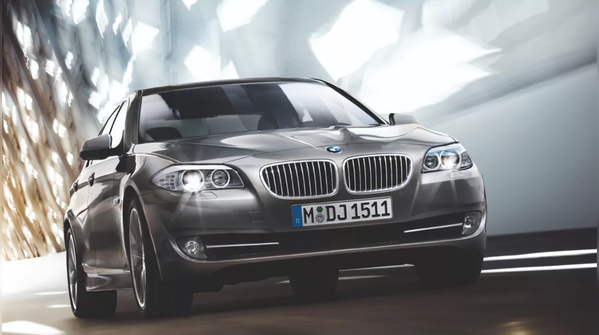
BMW’s cars rarely come cheap, and that’s very much by design. Behind the blue-and-white roundel sits a global web of engineering centers, design studios, materials laboratories, and test facilities developing vehicles years before they ever reach a showroom. According to technical notes, press releases, and development briefings issued by BMW itself, a significant share of the price goes into advanced powertrains, painstaking interior craftsmanship, proprietary safety technologies, and punishing durability trials conducted across deserts, snowfields, and high-speed tracks. Remove the badge, and you still find an obsessively calibrated premium-manufacturing machine built around research, refinement and long product cycles. Scroll down to know more.
Engineering and driving dynamics that start with design
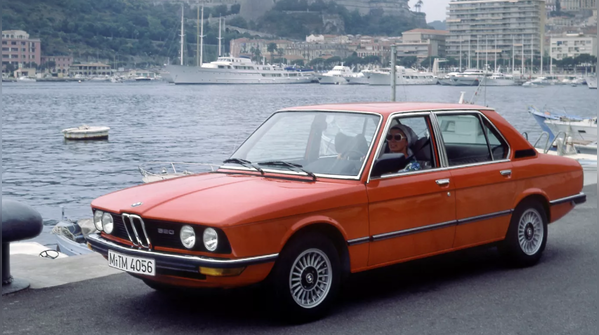
BMW’s lineage is built around delivering precise driving dynamics. Chassis tuning, multi-link suspensions, and powertrain calibration are developed in-house to offer the kind of balance engineers call “the ultimate driving machine.” Those development programs are costly: they require prototype fleets, track testing and specialized manufacturing processes that become part of the vehicle’s baseline specification, not optional extras. Official model overviews and design briefs on BMW’s website describe these systems as core to each model’s character.
Advanced software, connectivity and intelligent assistance
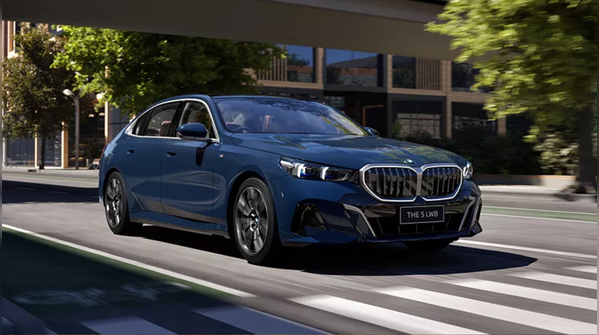
Modern BMWs bundle extensive software features, from the new BMW Intelligent Personal Assistant and driver-assist aids to connected services and over-the-air updates. These are not add-ons stitched on after production; they’re integrated systems (hardware + software) that BMW documents as part of its digital offering. That integration increases upfront R&D and requires secure, automotive-grade electronics that cost significantly more than consumer electronics.

Premium materials and bespoke options
Luxury buyers expect more than standard plastics and cloth. BMW’s “BMW Individual” program highlights exclusive paint finishes, full-grain Merino leather and interior trims that are hand-finished or produced in limited runs. These materials have higher procurement, machining and quality-control costs and when BMW bundles them into packages or model-level specs, the price tags reflect that sourcing and craftsmanship. Official specification guides and the BMW Individual pages make this clear.
Electrification, battery tech and new-generation platforms
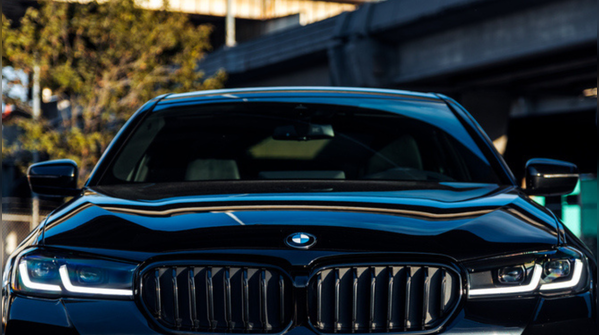
Shift to electrification has pushed unit costs up: batteries, power electronics and bespoke EV platforms are expensive to develop and produce. BMW’s official pages on electric models and the Neue Klasse roadmap show the company investing heavily in next-gen cell chemistry, thermal management and energy-dense battery packs, all of which feed into higher retail prices for early-generation technologies and premium-range batteries. Passing some of that cost to buyers is how automakers fund the transition while preserving quality and range.
Safety, regulation and local market pricing
BMW’s global models must meet strict safety and emissions regulations across markets and compliance isn’t free. Crash-structure engineering, advanced airbag systems and the tuning needed to pass varied homologation standards add manufacturing complexity. On top of that, localized pricing strategies and taxes (import duties, GST, etc.) appear in BMW’s regional press releases, explaining some country-specific price differences and periodic price adjustments. Official press notes from BMW India, for example, document routine price changes tied to market conditions.
Ownership experience: service, warranty and software updates
What buyers often miss is that a premium brand is also selling a premium ownership package: certified service networks, warranty coverage, and digital services (apps, remote diagnostics, and concierge features). Those services require dealer training, parts logistics, and secure cloud infrastructure, ongoing costs that are folded into both purchase pricing and the brand’s value proposition, as BMW outlines on its owners and services pages.
Why it matters to buyers
Put simply: a BMW’s price covers more than propulsion. It pays for R&D (hardware and software), higher-grade materials, handcrafted options, regulatory compliance and a global support network. For many customers, that premium buys engineered character, precise handling, cutting-edge digital features and bespoke finishing, plus the reassurance that components and support meet the standards the company advertises.
Featured In Auto

