
Trending
‘India has gone electric’: Tata’s Anand Kulkarni on EV push and Punch EV facelift
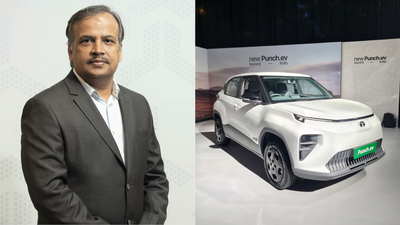
End of Article
Follow Us On Social Media

Hot Picks
Top Trending
Tired of too many ads?go ad free now
Trending Stories
In Auto
Entire Website
- MG Majestor India launch on this date: All about Fortuner’s rival!
- Royal Enfield launches 2026 Hunter 350 lineup: Pricing, what’s new
- No more cash at toll plazas from April 10: Here’s how you’ll pay now
- Maruti Suzuki adds 502 service centres in FY26, network nears 6,000: Details
- 2026 Suzuki Burgman Street launched: Prices, engine specs & what's new
- Tata Sierra EV launch soon: What to expect from Maruti e-Vitara rival
- Ola Roadster e-bike now Rs 60k cheaper! Limited-window, new price explained
- Two-wheeler sales March ’26: Record sales, how brands performed
- VinFast MPV 7 bookings open in India: Launch date, token amount & more
- Rajasthan to get 591 new EV charging stations: City-wise split detailed
- US-Israel-Iran War News Live Updates: 6 children killed in US-Israeli strike on Tehran; mediators push for 45-day truce as Trump deadline looms
- 'Dragging US towards living hell': Iran slams Trump's 'Tuesday threat' over Strait of Hormuz closure
- Ghaziabad techie slips into Ganga, friend jumps to save him; both drown
- ‘It’s on me’: Ruturaj Gaikwad takes full blame after CSK’s crushing loss
- Stephen Curry’s mom Sonya Curry shares religious post after long social media break and personal loss
- EAM Jaishankar receives call from Iran FM Araghchi as Trump’s 48-hour threat looms
- NFL Trade Rumors: Dallas Cowboys exploring aggressive trade-up scenario with Tennessee Titans
- PSL 2026 Season: Naqvi backs league to be world’s number one; gap with IPL revenues, off-field fines
- US-Israel-Iran War News Live Updates: 'Can’t comment, hope that’s not going to happen' — Trump on missing pilot reports in Iran
- Bhuvneshwar Kumar scripts history, becomes first fast bowler in IPL to ...
Tired of too many ads?go ad free now



Explore Every Corner
Across The Globe
Israel Iran WarNFL Trade RumorsMohsin NaqviBhuvneshwar KumarVaishali RameshbabuKKR vs PBKS IPL MatchJannik SinnerDanny DyerJaishankarTSLPRB TSRTC Answer KeyVirat KohliCBSE Result 2026 DateStrait of hormuzTaylor and Morgan Riddle BreakupIsrael Attack on Iran Sharif UniversityToday IPL MatchStock Market TodayIPL Match TodayBhuvneshwar KumarSameer RizviWhere to Watch CSK vs RCBTaylor SwiftUS rescue mission IranChidambaramPSEB 8th Class Result 2026KVS admission resultIPL2026 Points TableIPL 2026IPL Schedule 2026IPL Schedule

Hot on the Web
Rakesh BediSalman Khan HouseRanbir KapoorParineeti ChopraNinth SymphonyMaamla Legal Hai Season 2 ReviewLeader CollectionHair RegrowthEarthquakeRamayanaVegetarian Friendly CountriesDhurandhar 2 Box Office CollectionTarun Mishra StoryModi Tea StallChef Sanjeev KapoorNuclear And Space ScientistsRaghav Chadha HomeYashDhurandhar 2 ReviewGame Of ThronesUstaad Bhagat Singh CollectionNithya Menen HomeMark TwainAmitabh BachchanDhurandhar 2 CollectionSummer Hair GrowthMovierulzAadu 3 Box Office CollectionHoroscope TodayIndian Railways New RulesToday Gold Rate in ChennaiDelhi Weather TodayDelhi AQI TodayMumbai AQI TodayMaharashtra Public Holidays 2026Realme 16Apple iPhone 18 ProArtemis II Toilet TroubleGarena Free Fire MAX Redeem CodesArtemis II Toilet TroubleBasketball Zero Codes
Trending Topics
Missing Kerala TechieMumbai Terror ArrestAir india CrashNCERT New TextbooksBengaluru Rape CaseNoida AirportGhaziabad Techie DeathBengaluru Metro WalkwayRaghav ChadhaRaghav Chadha Video MessageAndhra Pradesh Murder NewsCM Bhagwant MannVijayawada Govt Employee Rape CaseIAS Rohini Sindhuri ScamGhaziabad ShootoutRaghav ChadhaNashik Car AccidentKhusbaz Singh Jatana AccidentStephen CurryPokimaneTravis KelceClavicularKansas City ChiefsLas Vegas RaidersTed BundyScott MillsTaylor SwiftJonathan LucroyiShowSpeed babyLuigi MangioneVinfast Mpv 7Deloitte HiringBoris ChernyOracle LayoffsClaude Source Code LeaksMustafa SuleymanSundar PichaiArtemis iiScience NewsHow to watch ICC T20 World Cup 2026 in USAIPL 2026IPL Schedule 2026
Popular Categories
HeadlinesSports NewsBusiness NewsIndia NewsWorld NewsBollywood NewsHealth+ TipsIndian TV ShowsTechnologyTravelEtimesHealth & FitnessAstrologyInternational SportsDeorhiTechnology NewsAutoWeather TodayGold Rate Today DelhiSilver Rate TodayPlatinum Rate TodayIs Bank open todayVirat Kohli IPL StatsHardik Pandya IPL StatsBank HolidaysPublic HolidaysBank Holidays AprilPublic Holidays AprilAries HoroscopeGemini Horoscope
Latest News
Anil Ravipudi confirms Krithi Shetty for his reunion with Venkatesh Daggubati; 'LIK' actress to romance Kalyan RamBengal polls: FIR lodged against TMC Behala Paschim candidate Ratna Chattopadhyay over alleged vandalism during campaignRadio silence, solar eclipse, 'Earthrise' redux: What Artemis II astronauts will see during Moon flybyPune marine engineering student dies after basketball post collapses on him'Ramayana' director Nitesh Tiwari picks Lord Ram's exile as 'most emotional' scene: 'I hope that it will move the audience'AP Inter Results 2026 expected soon: Check where and how to download BIEAP marksheetsWhat’s going on with Sophie Cunningham? Will she stay with Caitlin Clark-led Indiana Fever?Erik Per Sullivan rejects ‘buckets of money’ for ‘Malcolm in the Middle’ Revival: Why the former Dewey star walked away'Dhurandhar 2' enters Rs 1000 crore club in India; DOP Vikash Nowlakha thanks Aditya Dhar for his 'trust and vision'Candice King and Steven Krueger: The Vampire Diaries’ Caroline, The Originals' Josh tie the knot ahead of their baby’s arrivalSalman Khan's Rs 1.5 lakh boots MISTAKEN as 'phate joote'; fans clap back at trollsHrithik Roshan RESPONDS to a fan asking if he just defended 'War 2' through the VFX post; actor breaks his silenceShah Rukh Khan and Ranveer Singh's selfie sparks frenzy; fans say 'wanna see Badshah and Dhurandhar in a movie together' - PICSRG Kar victim's mom threatens to 'thrash' Didi, TMC seeks actionSalman Khan to commence director Vamshi Paidipally's shoot April 18, amid buzz about 'Maatrubhumi' delayQuote of the day by Jeff Bezos: “If you’re not stubborn, you’ll give up on experiments too soon. And if you’re not flexible, you’ll pound your head against the wall and you won’t see a different solution to a problem you’re trying to solve.”Google, Microsoft, Amazon and Meta have a 'American datacentre problem' as the number of States opposing them grows; here's 'complaint list'Quote of the day by Sundar Pichai: “My dad and mom did what a lot of parents did at the time. They sacrificed a lot of their…”
Copyright © 2026 Bennett, Coleman & Co. Ltd. All rights reserved. For reprint rights: Times Syndication Service