
- News
- Health News
- "I thought I was healthy,” until a routine test revealed early liver damage: Warning signs people miss and simple changes that helped reverse it
"I thought I was healthy,” until a routine test revealed early liver damage: Warning signs people miss and simple changes that helped reverse it

It felt like nothing, until it wasn’t
“I thought I was healthy” is a sentence doctors hear more often than expected. It usually comes after a routine blood test reveals something unsettling—early liver damage. The shock lies in the contrast: a normal-looking life on the outside, and a quietly struggling organ within.
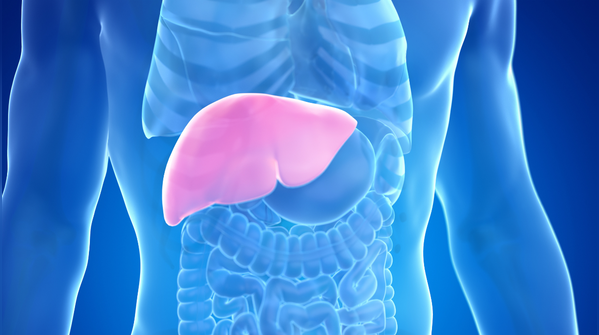
The liver does not complain loudly. It adapts, compensates, and keeps working until it cannot anymore. That is why many people walk around with early liver damage and have no idea. By the time symptoms become obvious, the problem may already be advanced.
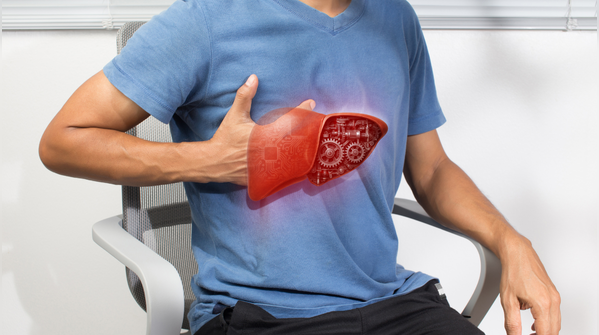
When “healthy” isn’t the full picture
Good health is often judged by how a person looks and feels. If there is no pain, no major illness, and daily life runs smoothly, it is easy to assume everything is fine.
But the liver works silently in the background. It filters toxins, processes nutrients, and regulates metabolism. Even when it is under stress, it continues to function without sending strong signals.
Dr Vineet Kumar Gupta explains, “Most individuals are unaware of their healthy status because when minor symptoms are experienced, they do not exhibit early signs of liver damage. Liver is a very crucial organ, which can be long-lasting without any evident symptoms.”
That is why routine tests often become the turning point. They reveal what the body has been hiding.
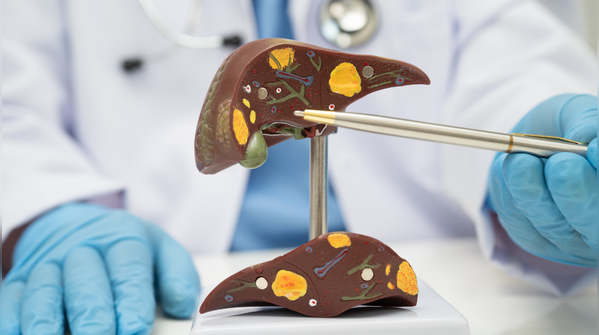
The signs people brush aside
Early liver damage rarely announces itself clearly. Instead, it shows up in ways that feel easy to ignore.
There is the tiredness that never fully goes away. A dull discomfort in the upper abdomen. A slight loss of appetite. Sometimes, there is unexpected weight change without a clear reason.
These symptoms do not feel alarming. They feel ordinary.
Dr Gupta notes, “These symptoms are not taken seriously or assumed to be stress or minor health conditions.”
And that is exactly how they slip through unnoticed.
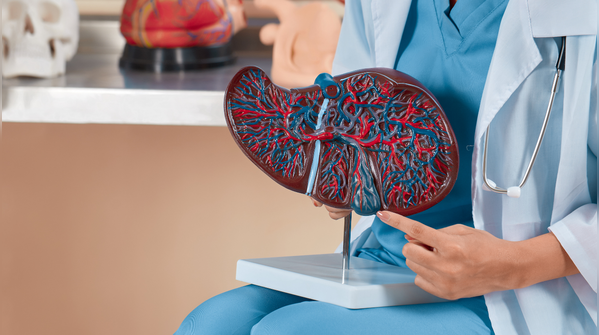
Why the liver stays silent for so long
The liver has a remarkable ability to regenerate and adapt. This strength is also its weakness. It keeps working even when damaged. It adjusts to stress caused by poor diet, alcohol, or metabolic changes. But over time, these adjustments begin to wear it down.
Research from the Government of India highlights the growing concern. According to the Ministry of Health & Family Welfare, liver diseases are rising steadily due to lifestyle factors such as obesity, alcohol use, and poor diet patterns.
So, the question is simple: if the body is warning us, why don’t we listen?
Because the warnings do not feel urgent. And anything that does not feel urgent is easy to delay.

Everyday habits that quietly harm the liver
Liver damage is rarely caused by one big mistake. It builds slowly through small, repeated choices.
A diet high in processed foods and unhealthy fats puts constant pressure on the liver. Alcohol, even in moderate but frequent amounts, adds to the burden. Physical inactivity slows metabolism, making fat accumulation in the liver more likely.
Dr Gupta explains, “In the long-term, poor diet, alcohol, physical inactivity, and metabolic factors such as obesity may silently influence the health of the liver.”
These are not extreme habits. They are common patterns in modern life. That is what makes them dangerous.
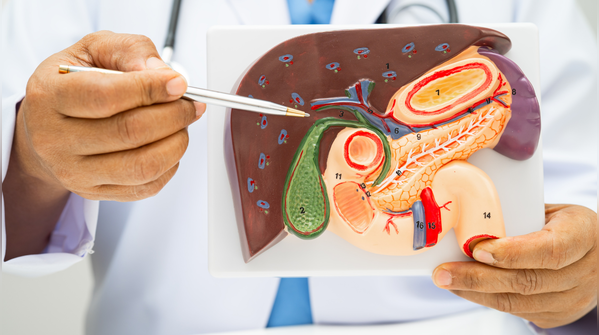
The hopeful truth: early damage can be reversed
The liver is one of the few organs that can heal itself, if given the chance.
Dr Gupta shares a reassuring insight: “The positive news is that in most cases, early liver damage may be reversed under the condition of timely lifestyle modifications.”
This does not require drastic measures. It starts with simple, consistent changes:
Eating balanced meals with more whole foods
Reducing processed and fatty foods
Limiting or avoiding alcohol
Moving the body daily, even with basic exercise
Managing weight and metabolic health
These changes do not work overnight. But over weeks and months, they can restore liver function and reduce damage.

The role of routine tests and early screening
One of the most powerful tools in preventing serious liver disease is also the simplest, regular check-ups.
Blood tests can detect early changes in liver enzymes. Imaging tests can reveal fat accumulation or inflammation. These are not complicated procedures, but they can change the course of a person’s health.
Dr Gupta emphasizes, “It is also important to have regular health check-ups and early screening.”
Early detection does not just identify a problem. It creates an opportunity to fix it.

Listening to the body before it whispers louder
Health is not just the absence of illness. It is also awareness. The liver may not speak loudly, but it does communicate, through fatigue, subtle discomfort, and quiet imbalances. Ignoring these signals delays action. Paying attention creates a chance to recover.
Medical experts consulted
This article includes expert inputs shared with TOI Health by:
Dr Vineet Kumar Gupta, Senior Director & Unit Head, ShardaCare-Healthcity.
Inputs were used to explain how early liver damage can go unnoticed despite feeling healthy, the warning signs people often miss, and the simple lifestyle changes that can help reverse it.
Featured In Health

