
Hidden features in luxury cars that most people don’t even notice
Hidden features in luxury cars that most people don’t even notice
Luxury cars announce themselves with plush leather, massive touchscreens, and whisper-quiet cabins. But beyond the obvious indulgences lies another layer of engineering: subtle, almost invisible details designed to make driving smoother, safer, and strangely delightful. These are the features owners often discover months later, usually by accident, and then wonder how they ever lived without them. Here’s a look at some of the most intriguing hidden touches quietly shaping the modern high-end driving experience.

Fragrances engineered, not sprayed
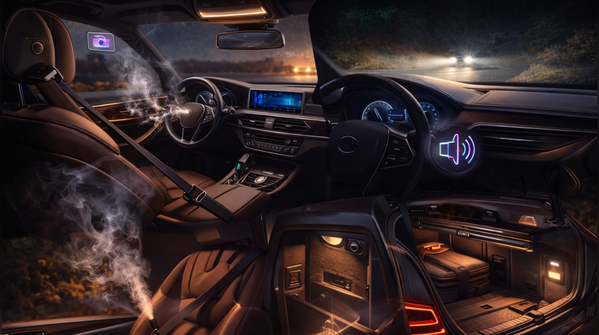
Many flagship sedans and SUVs now include built-in scent systems, but this isn’t just a perfume bottle tucked into the air vents. Luxury brands develop proprietary fragrances in collaboration with perfumers, then diffuse them through climate-control ducts in micro-bursts so the smell never becomes overpowering.
Some systems even allow multiple scent cartridges, adjustable intensity levels, and automatic neutralisation modes to eliminate outside odours. The goal is psychological as much as sensory: calm the driver, elevate mood, and reinforce the feeling of stepping into a curated environment rather than a mere vehicle.
Engineers also test how aromas interact with leather, wood, and temperature changes, ensuring consistency in every climate, from humid summers to freezing mornings, so the cabin always feels deliberate, controlled, and quietly indulgent.
Seatbelts that prepare for impact
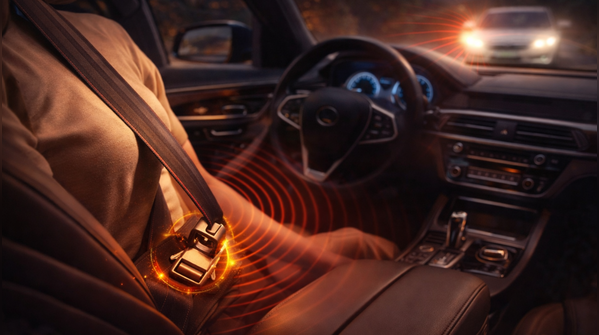
A few top-tier models feature “pre-safe” seatbelts that subtly tighten when the car senses a potential collision or evasive manoeuvre ahead. Radar and camera data trigger motors in the belt reels, snugging passengers into a safer position before braking or swerving even begins.
It’s the kind of protection you rarely notice, unless you’re paying close attention, but in a critical moment, those fractions of a second matter.
Noise cancellation: You can’t hear
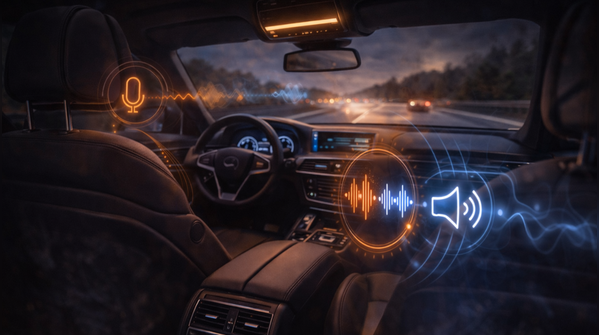
Silence in luxury cars isn’t just thick insulation and laminated glass. Some vehicles use active noise cancellation, similar to premium headphones. Microphones listen for unwanted frequencies from tyres or wind, and speakers emit opposing sound waves to cancel them out.
The result is eerie: rough asphalt suddenly sounds smooth, highway roar fades into a soft hush, and conversations remain clear even at high speeds. Most occupants assume it’s just “good soundproofing,” never realising digital audio trickery is at work.
Doors that gently close themselves
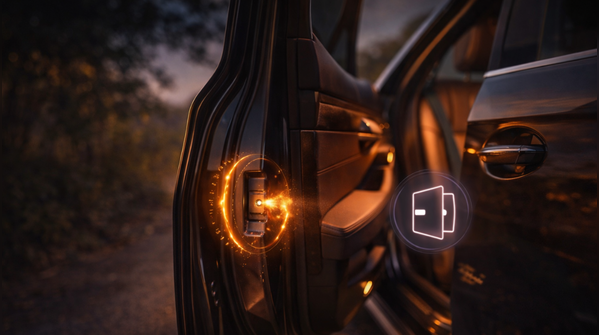
In many upscale sedans, you don’t actually have to slam the door. Soft close mechanisms pull the door shut during the final few millimetres if it isn’t fully latched. A quiet electric motor does the rest, sealing the cabin with a muted thump.
It’s a tiny indulgence, but one that feels strangely satisfying and spares passengers the awkward moment of reopening and re-closing a door that didn’t quite shut the first time.
Climate zones within climate zones
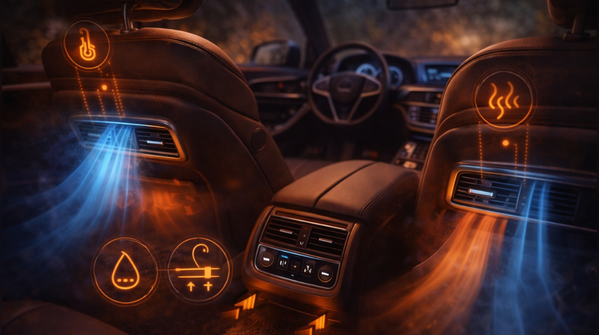
Multi-zone climate control is common now, but luxury cars often take it further with micro-targeting. Some models use infrared sensors to detect body temperature in different seats and adjust airflow automatically. Others direct warm air to feet while cooling the upper cabin, or vary humidity to prevent dry skin on long drives.
Rear passengers may even have personalised vents integrated into seatbacks or door panels, creating cocoon-like comfort pods rather than a single shared environment.
Headlights that read the road
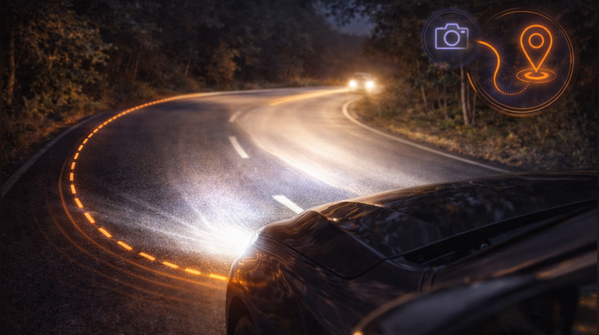
Adaptive headlights have become smarter than many drivers realise. Using cameras and GPS data, these systems can reshape the beam pattern in real time, brightening curves before you reach them, dimming sections to avoid dazzling oncoming traffic, or widening illumination in city streets.
Some cars even remember frequently driven roads and pre-adjust lighting profiles based on past journeys, quietly improving visibility without drawing attention to themselves.

Trunks that think ahead
Open the boot in certain luxury SUVs and you might notice neatly hidden rails, hooks, or adjustable partitions that slide out from the floor. These modular cargo systems stop groceries from rolling around and allow owners to configure the space for suitcases, sports gear, or fragile items.
A few high-end models go further with automatic lowering suspensions at the rear, dropping the vehicle slightly when parked so heavy luggage can be lifted in with less effort.
Cameras watching… for potholes
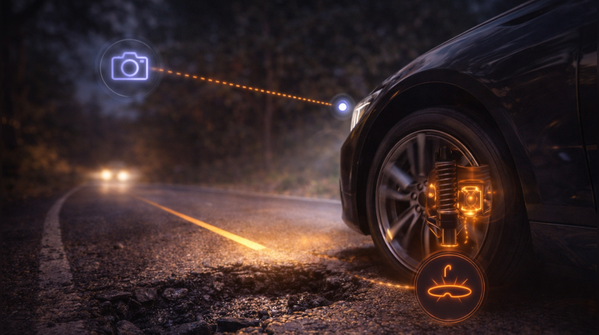
Some premium cars use forward-facing cameras to scan the road surface for imperfections. That data is fed into the suspension system, which firms up or softens individual dampers milliseconds before the wheels reach a bump or pothole.
To the driver, it simply feels like uncanny smoothness, the car floating over rough patches that would jar lesser vehicles.
Luxury automakers love to advertise horsepower figures and leather grades, but it’s these invisible layers of intelligence that increasingly define the segment. The modern luxury car isn’t just faster or prettier; it’s quietly observant, predictive, and obsessed with smoothing every tiny friction point in the driving experience.
Most owners may never read the manual closely enough to learn what’s happening beneath the surface. But once you do notice these hidden features, they reveal something fascinating: the real luxury isn’t always what you see. It’s what you stop having to think about at all.
Featured In Auto

