
5 driver-assistance technologies that make cars safer
5 driver-assistance technologies that make cars safer
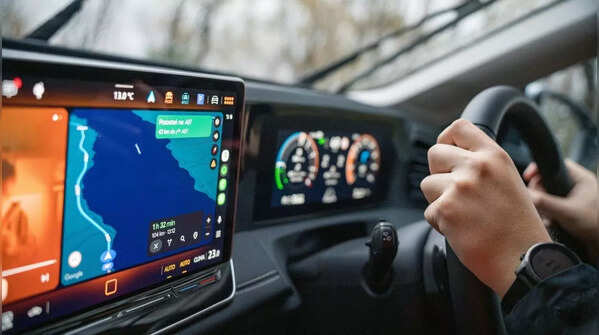
Modern vehicles are becoming more and more equipped with advanced driver-assistance systems (ADAS) that are intended to prevent accidents and provide greater comfort while driving. Driver assistance systems are not intended to replace responsibility for driving, but they do help prevent accidents, ensure proper distance between vehicles, and combat driver fatigue while driving. These features are important in vehicle safety, as they respond to common crash causes such as rear-end collisions, lane drift, and delayed braking. Understanding how these systems work helps drivers to use them effectively and responsibly.
Image Credit: Canva

Automatic Emergency Braking (AEB)
Automatic Emergency Braking detects an imminent forward collision and applies the brakes if the driver fails to react in time. This intervention can either avoid the crash entirely or significantly reduce its severity, especially in common rear-end collisions. Because of its strong safety potential, regulators view AEB as a major advancement in vehicle protection technology.
Image Credit: Canva
Adaptive Cruise Control (ACC)
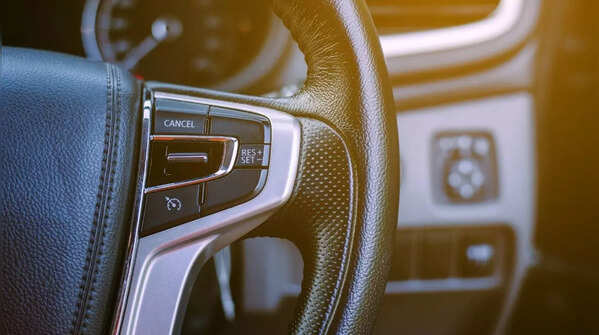
Adaptive Cruise Control builds on traditional cruise control by automatically adjusting a vehicle’s speed to maintain a safe following distance from traffic ahead. Using radar or similar sensors, the system slows down when another vehicle is detected and returns to the preset speed once the road clears. This helps reduce driver stress and may lower harsh braking events in real-world driving.
Image Credit: Canva

Lane Keeping Assist (LKA)
Lane Keeping Assist monitors road markings and gently steers or brakes if the vehicle begins to drift out of its lane without signaling. By correcting unintended lane departures, one of the common causes of highway crashes, this feature helps drivers stay centered and avoid collisions with nearby vehicles or roadside hazards.
Image Credit: Canva
Lane departure warning and emergency lane keeping
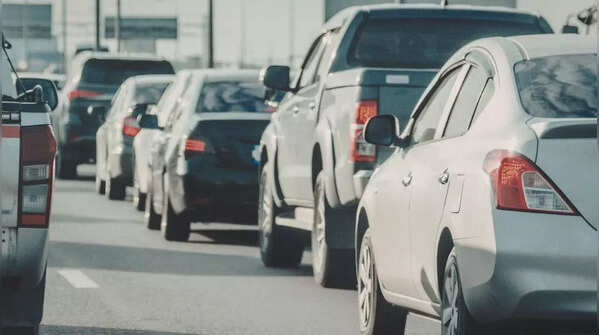
Lane-departure warning systems alert drivers through visual, audio, or vibration signals when the car leaves its lane unintentionally. More advanced emergency lane-keeping systems can actively steer the vehicle back into the lane if the driver does not respond, preventing dangerous side-impact or head-on collisions.
Image Credit: Canva

Intelligent emergency or collision-avoidance assistance
Collision-avoidance technologies monitor the road ahead for vehicles, pedestrians, or cyclists and support braking or warnings to prevent impact. Some systems also assist during parking or low-speed maneuvers by detecting nearby obstacles and triggering emergency braking when needed, adding another layer of protection in urban environments.
Driver assistance technologies have changed the way we approach road safety, making it possible for drivers to respond faster, maintain control, and avoid unsafe situations, among other effects. The use of technologies such as auto-brake, cruise control, and lane-keeping assistance illustrates the potential for intelligent technologies to improve safety without compromising driving comfort. Nevertheless, it is important to note that these technologies need to be monitored by humans. As automotive innovation continues, the thoughtful use of ADAS will play a crucial role in creating safer roads and more confident driving experiences for everyone.
Image Credit: Canva
Featured In Auto

