
- News
- World News
- US News
- Trump’s neutral stance on Russia-Ukraine war sparks divide among European allies
Trending
Trump’s neutral stance on Russia-Ukraine war sparks divide among European allies
The UN Security Council adopted a US-drafted resolution marking the third anniversary of Russia's invasion of Ukraine, reflecting a neutral stance. While the resolution passed with 10 votes in favour, key nations like France and Britain abstained. The General Assembly, however, supported broader pro-Ukraine resolutions, highlighting a split in international consensus on the path to peace.
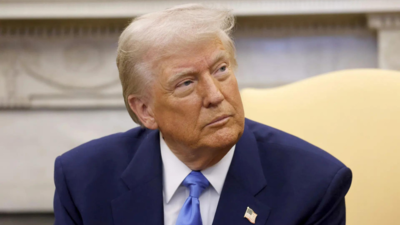
File Photo: US President Donald Trump
The resolution signals a shift in US policy towards Ukraine, as Trump has adopted a more conciliatory position on Russia compared to former President Joe Biden’s administration, which consistently supported Ukraine at the UN throughout the war, Reuters reported.
Russia’s UN Ambassador Vassily Nebenzia acknowledged the "constructive changes" in the US stance, noting that while the resolution was "not an ideal one," it serves as a "starting point for future efforts towards a peaceful settlement." The Security Council, however, had remained deadlocked for much of the conflict due to Russia’s veto power.
While the US resolution passed the Security Council with 10 votes in favour, France, Britain, Denmark, Greece, and Slovenia abstained. Russia voted in favour after failing to amend the resolution, which notably excluded any language supporting Ukraine. In contrast, the General Assembly of the UN, which has 193 members, has repeatedly expressed its support for Ukraine's sovereignty and territorial integrity.
In the General Assembly, two resolutions were put forward: one drafted by Ukraine and European allies and one proposed by the US, which had been amended by the assembly to reflect long-standing support for Ukraine. The resolution amended by the US garnered 93 votes in favour, with 73 abstentions and 8 countries voting against, including Russia, North Korea, and Israel.
UK Ambassador to the UN, Barbara Woodward, underscored that while a resolution for peace is essential, it is crucial to emphasize that “aggression does not pay.” She further argued that there must be a clear distinction between the aggressor, Russia, and Ukraine as the victim.
French Ambassador to the UN, Nicolas de Riviere, reiterated that France was fully committed to peace in Ukraine but emphasized that it should be "comprehensive, just, and lasting," rejecting any proposal for Ukraine’s capitulation.
In his comments, acting US Ambassador to the UN, Dorothy Shea, framed the resolution as an important first step towards peace. “This resolution puts us on the path to peace... Now we must use it to build a peaceful future for Ukraine, Russia, and the international community,” she said.
Despite the US backing a more neutral position, Ukraine and European nations continue to push for a comprehensive peace plan that reflects Ukraine’s sovereignty.

About the Author
TOI World DeskEnd of Article
FOLLOW US ON SOCIAL MEDIA
Visual Stories







Photostories

Hot Picks
TOP TRENDING
Explore Every Corner
Across The Globe
IND vs NZWayne GretzkyTaylor SwiftCam NewtonBlake LivelyGisele BndchenBrad MarchandAnthony EdwardSidney CrosbyJordyn WoodsBrady TkachukAaron JudgeSteph CurryNBA Buyout RumorsNBA HalftimeAuston MatthewTaylor Swift AlbumWWE Elimination Chamber ResultRhea RipleyKevin OwensRoman ReignsLiv MorganThe RockErin AndrewsMicrosoft Outlook OutageBank HolidaysBank Holidays in MarchChampions Trophy ScheduleChampions Trophy Points TableICC Champions Trophy Live Streaming
Hot on the Web
Heart Blockage SymptomsChia Seeds BenefitsKrushna AbhishekTaarak Mehta Ka Ooltah ChashmahIbuprofen GuidePeppermint Oil For HairMagnesium Oil BenefitsKomodo Dragon vs King CobraWater Weight Loss TipsTanmay BhatGovindaElon MuskRanveer AllahbadiaOptical IllusionWall Sits BenefitsDoomsday FishRajinikanthMere Husband Ki Biwi CollectionChhaava Box Office CollectionChhaava Movie ReviewSadhguru Diet HabitsAshwagandha for Hair GrowthMorning Brain ExercisesUS National ParksUnique AnimalsBig Cat Safari DestinationFatty Liver Reducing FoodsBig Cats IndiaBaby Girl NamesDates Benefits
Trending Topics
India vs New ZealandCarlo ColaiacovoLamelo BallNodirbek YakubboevBrett FavreJimmy ButlerGiannis AntetokounmpoTravis KelceJoe BurrowTaylor SwiftLogan PaulTom BradyErin AndrewRob GronkowskiTravis HunterSouth Africa Cricket TeamChampions Trophy SemifinalMHT CET LLBUS National Anthem BooedVivian RichardNyt ConnectionsKing Legacy CodesDa Hood CodesWordle HintsInzamam Ul HaqDonald TrumpIndia vs New Zealand ScorecardChampions Trophy Points TableChampions Trophy ScheduleICC Champions Trophy 2025 Live Streaming
Popular Categories
HeadlinesSports NewsBusiness NewsIndia NewsWorld NewsBollywood NewsHealth+ TipsIndian TV ShowsTechnologyICC Champions TrophyIPLTravelEtimesHealth & FitnessHollywood NewsWeb SeriesWWEUS NewsNFLHow to watch IPL 2025How to watch IPL in CanadaHow to watch IPL in USACBSETechnology NewsInternational SportsAstrologyPublic HolidaysBank HolidaysIndia vs New ZealandWeather Today
Latest News
Irrfan Khan's son Babil Khan clarifies his mother Sutapa Sikdar solely built the farmhouse in Maharashtra village 'Hero Chi Wadi': 'These were the dreams Baba couldn't fulfill'Elon Musk's internet: So based, much wow. So cringe?'One moment we were sleeping, the next thrown like puppets': Avalanche survivors recall moment disaster struckThis Player Is Going Viral at the NFL Combine for Being Jalen Hurts’ Long-Lost TwinAshutosh Gowariker shows off his dance moves as he performs Mitwa from Lagaan at son Konark Gowariker's wedding sangeet: Watch videoWayne Gretzky's controversy takes a new turn as a new video emerges amid ongoing Team Canada support backlashBhagyashree opens up on gender equality at home; says she didn’t believe in leaving her kids Abhimanyu and Avantika with nannies: 'I was far too young to manage both worlds'Alia Bhatt spends time with fans at Mumbai meet-and-greet; check pics“The Only Way to Pay Off Student Loans Is by Dating Him”: SNL Roasts Bill Belichick's Relationship with 24-Year-Old Jordon HudsonEC statement on duplicate EPIC numbers confirms voter list anomalies in Bengal: TMCBride abducted on MP highway, rescued by copsThe Most Awarded Actors in Oscar HistoryTrump isn’t the first US president to lose patience with Zelenskyy — Biden did too, 2022 report revealsVoter card number duplication doesn't imply fraud, says ECDak Prescott and fiancee Sarah Jane Ramos share a heartwarming family moment with their daughter amid NFL announcements'False' toll fee deduction? NHAI cracks the whipRam Charan and Janhvi Kapoor to resume filming 'RC 16' at Parliament and Jama Masjid: ReportLocals force govt to stop Porvorim temple demolition for highway work
Copyright © 2025 Bennett, Coleman & Co. Ltd. All rights reserved. For reprint rights: Times Syndication Service