
- News
- World News
- US News
- Partial gag on Trump in 2020 election interference case
Trending
This story is from October 16, 2023
Partial gag on Trump in 2020 election interference case
A federal judge, Tanya Chutkan, has issued a gag order against Donald Trump in the ongoing election subversion case. The order prohibits Trump from posting attacks against the special counsel, court staff, potential witnesses, or expert testimony. Trump's defense argues that the order is unconstitutional and an attempt to stifle his freedom of speech during the campaign.
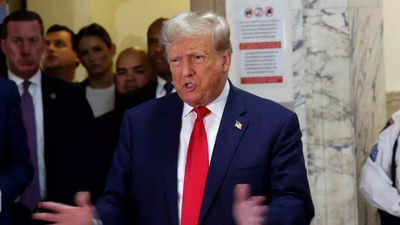
A federal judge, Tanya Chutkan, has issued a gag order against Donald Trump in the ongoing election subversion case. The order prohibits Trump from posting attacks against the special counsel, court staff, potential witnesses, or expert testimony. Trump's defense argues that the order is unconstitutional and an attempt to stifle his freedom of speech during the campaign.
This order prohibits the former Republican president from posting or reposting attacks against the special counsel, his staff, court staff or personnel, and statements against potential witnesses or expert testimony.
Trump’s defense called the gag order request unconstitutional and a “desperate effort at censorship.”
Donald Trump's attorney, John Lauro, accused the prosecutors of attempting to stifle a political candidate's freedom of speech in the midst of a campaign.
However, the judge firmly responded that Trump does not possess an unrestricted right to say and do as he pleases.
The judge, Chutkan, pointed out, "You keep using the term 'censorship' as if the defendant has absolute First Amendment rights. He does not. What we're discussing here are restrictions to ensure a fair administration of justice in this case."
Chutkan also read aloud some of the remarks Trump had made about her, where he had labeled her a "radical Obama hack."
Although she expressed being less concerned about such statements directed at her, she clarified that Trump's free speech rights do not extend to language that knowingly encourages threats and harassment against individuals merely doing their jobs.
Prosecutors argued that their proposal would not prevent Trump from publicly declaring his innocence.
In court papers, they wrote that Trump was demanding “special treatment” by claiming “he should have free rein to publicly intimidate witnesses”
"In this case, Donald J. Trump is a criminal defendant, subject to the same rules as any other," said Smith's legal team.
End of Article
FOLLOW US ON SOCIAL MEDIA



Photostories

Hot Picks
TOP TRENDING
Popular Categories
Hot on the Web
Top Trends
IND vs BAN Live ScoreIsrael Hezbollah WarMost Runs in International CricketVirat KohliRohit SharmaIndian Team Fastest Test FiftyMohammed SirajUGC NET Result 2024TS DSC Results 2024Women T20 World Cup Points TableWomen T20 World Cup ScheduleShane McMahon Net WorthHezbollah ChiefTourists Not AllowedDiddyTop Management Colleges of IndiaLive Cricket Score
Trending Topics
Devara CollectionMithun ChakrabortyKangana RanautNavratri WishesGandhi Jayanti WishesAnant AmbaniDevara CollectionGandhi Jayanti 2024Masala OmeletteEmergencyDevaraTaaza Khabar 2 Twitter ReviewDevara Movie ReviewHealthy RaitasSwatantrya Veer SavarkarColdplay India tour 2025Smartphone DealsApple Macbook Air M1Amazon SaleWordle Answer
Living and entertainment
Latest News
Sagittarius, Daily Horoscope Today, October 1, 2024: A day of inner peace and happinessAquarius, Daily Horoscope Today, October 1, 2024: Optimism in the airBasic Home Loan raises Rs 87.5 crore in a Series B funding roundMallikarjun Kharge's remarks on PM Modi distasteful, disgraceful: Amit ShahPriyanka Chopra shares charming throwback pictures of her transformation from 9 to 17 years old: 'Not a girl, not yet a woman'HC stays probe against Sitharaman, others based on FIR linked to poll bondsTapCoin daily bounty cards for October 1, 2024: Earn tokens, exclusive rewards and moreLaughter Chefs: Rahul Vaidya shares a fan's heartfelt message for them; Chef Harpal Singh Sokhi breaks down in tears, 'My sister was in ICU...'Gemini, Daily Horoscope Today, October 1, 2024: Day of hard work and focus'Terrorism has no place in our world': PM Modi tells Israel's NetanyahuBhuvan Bam: Digital creators can thrive in mainstream cinemaSplitsvilla X5’s Siwet Tomar and Anicka Sharma call it quits? The two unfollow each other on social mediaLamborghini convoy stuns Mussoorie: 71 cars on hill steal the spotlightKolkata hospital rape-murder: West Bengal junior doctors resume 'total cease work'Mumbai vs Rest Of India: Irani Cup tie offers chance for hopefuls and rejects to impress selectorsHow to use charcoal powder to whiten teethKaun Banega Crorepati 16: Amitabh Bachchan believes he is 'Half-Sikh' recalling his maternal roots; reveals his aunts called him 'Amitabh Singh'WWE Superstar CM Punk responds to the passing of legendary singer Kris Kristofferson
Copyright © 2024 Bennett, Coleman & Co. Ltd. All rights reserved. For reprint rights: Times Syndication Service