Nepal crisis:
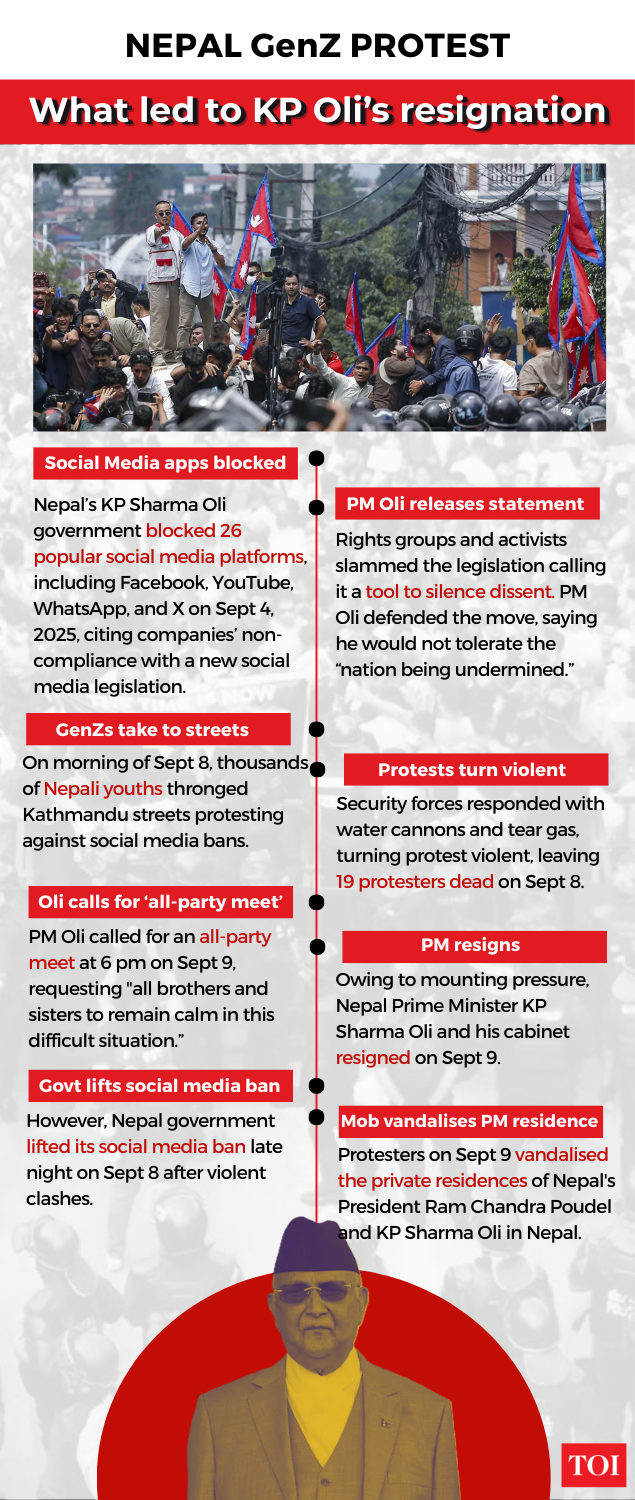
How social media ban protest turned into a Gen Z revolution - the story so far


How it all began
The immediate trigger was the government’s decision on September 4 to ban 26 social media platforms, including Facebook, WhatsApp, Instagram, YouTube, and WeChat, after companies failed to register with the government. The ban disrupted communications for nearly two million Nepalis working abroad who rely on these apps to connect with families and also threatened the country’s tourism sector.
The move was seen by young Nepalis as an attempt to silence dissent. Hashtags such as #NepoKids—pointing to the lavish lifestyles of politicians’ children in a country where youth unemployment hovers at 20 percent—began trending and fuelling outrage.
A protester told AP: “After all this what we need is peace. I feel there should not have been so much destruction, but that has already happened.”
September 8: Crackdown that changed everything
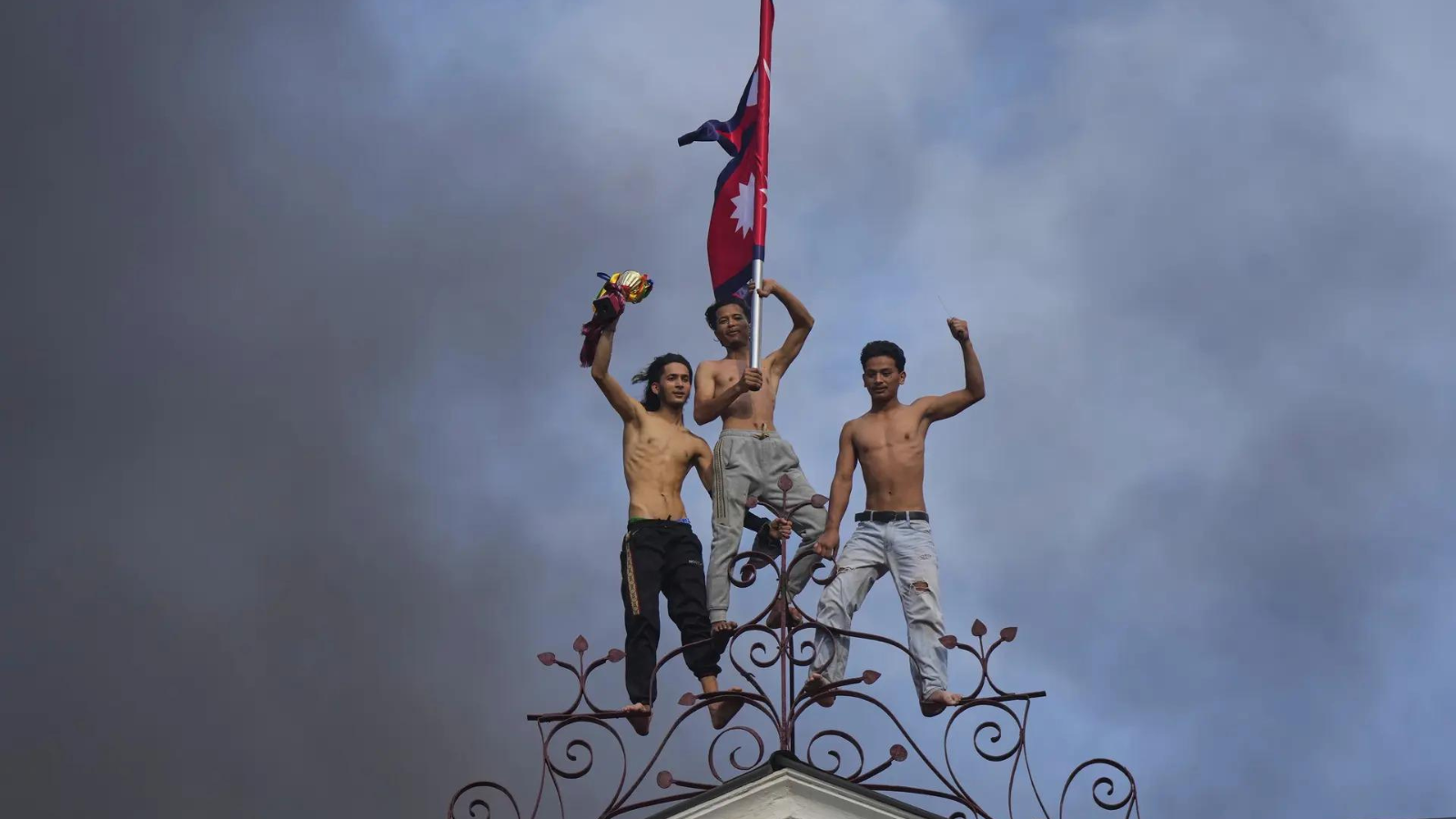
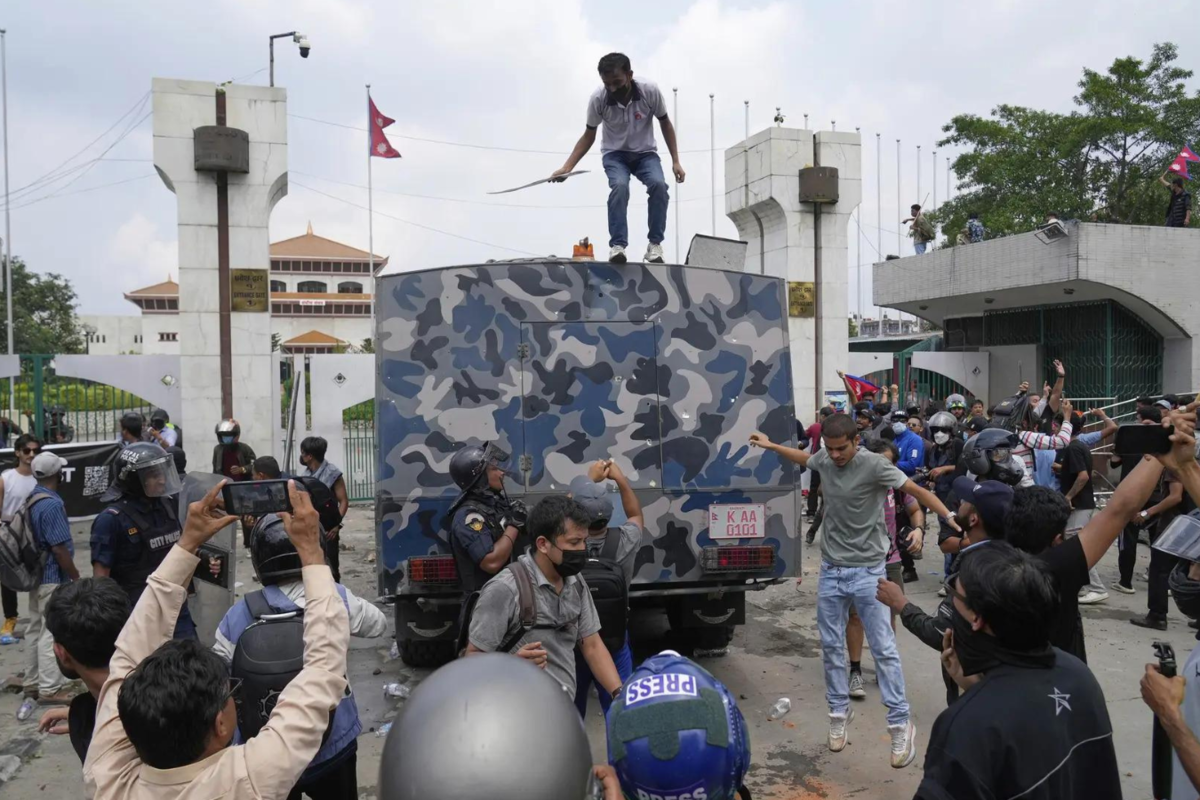
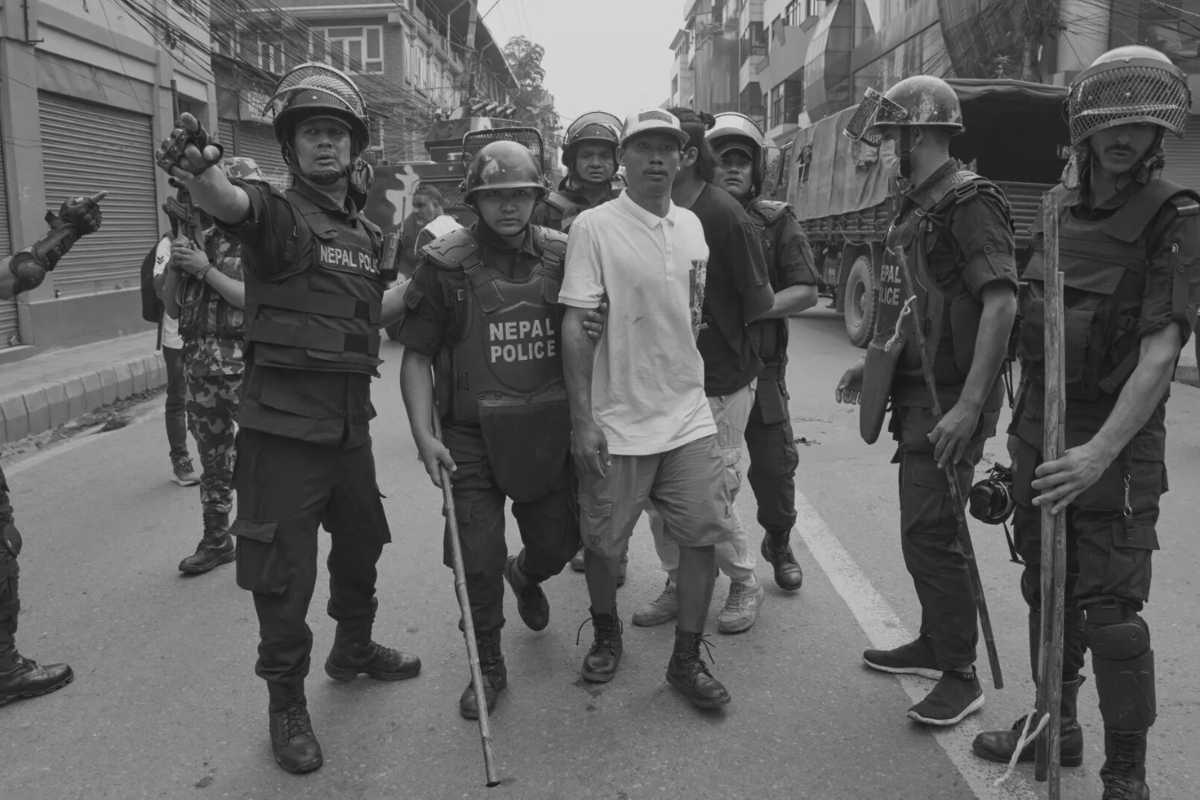
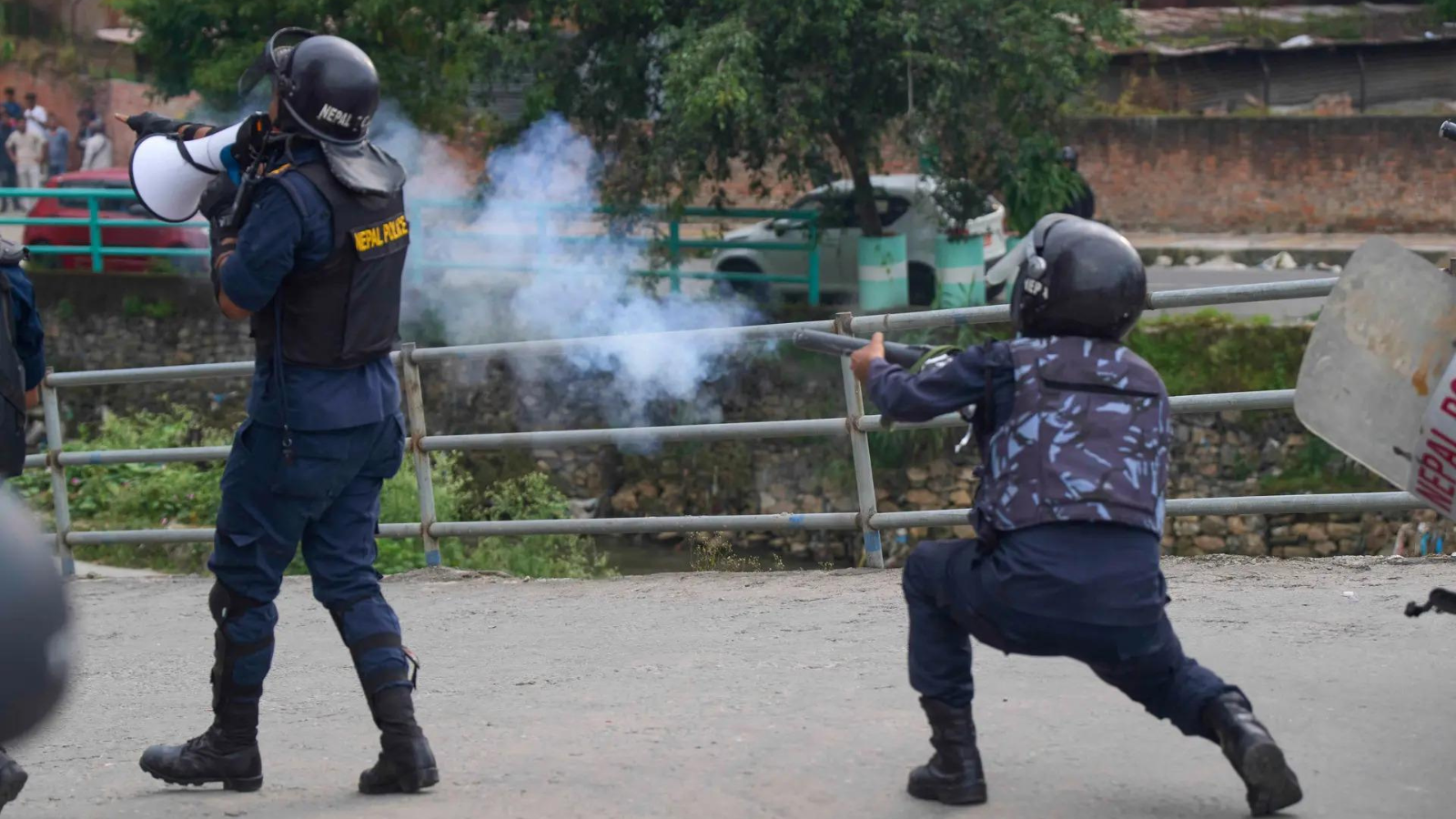
On September 8, student bodies and Gen Z activists organised peaceful marches in Kathmandu against the ban. Demonstrators gathered near the parliament and blocked highways. By evening, security forces fired tear gas, rubber bullets, and live ammunition into the crowds.
The health ministry later confirmed that 19 people were killed that day. Witnesses said a school student was shot near the parliament. Yashwant Shah, grandson of former Nepal prime minister KI Singh, told PTI: “The firing by police was wrong. In any democracy, firing should not happen. At most, water cannons or rubber bullets can be used to disperse crowds. Even if firing is unavoidable, it should be below the waist. But what happened was a clear violation.”
Although the social media ban was lifted late that night, the anger only intensified.
Escalation into nationwide violence
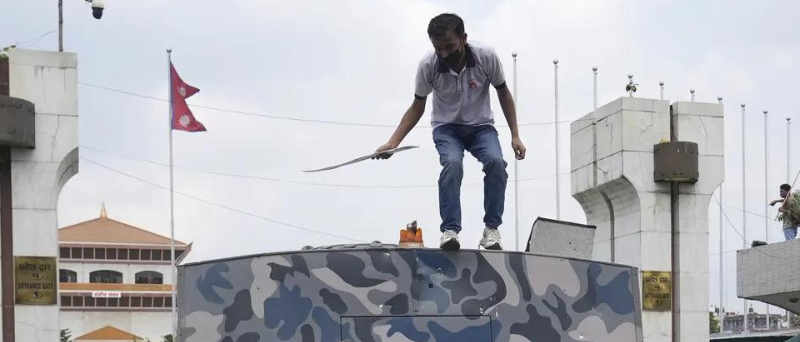
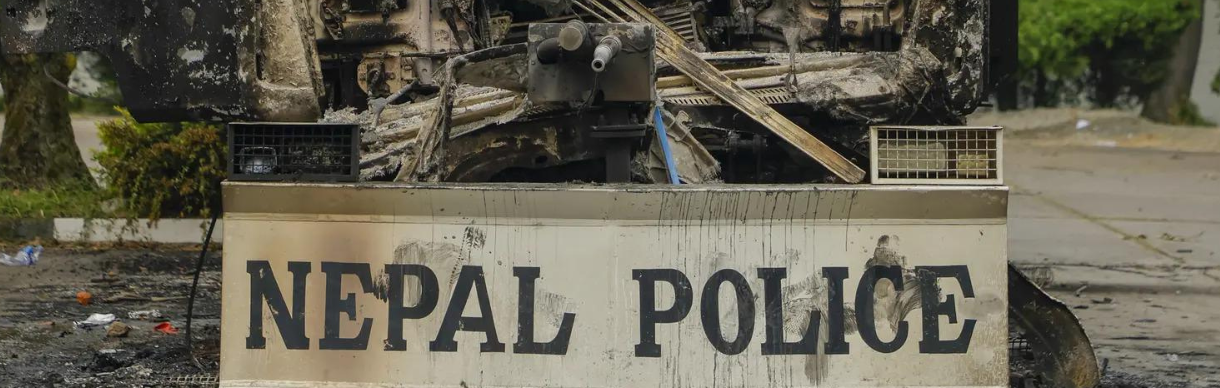
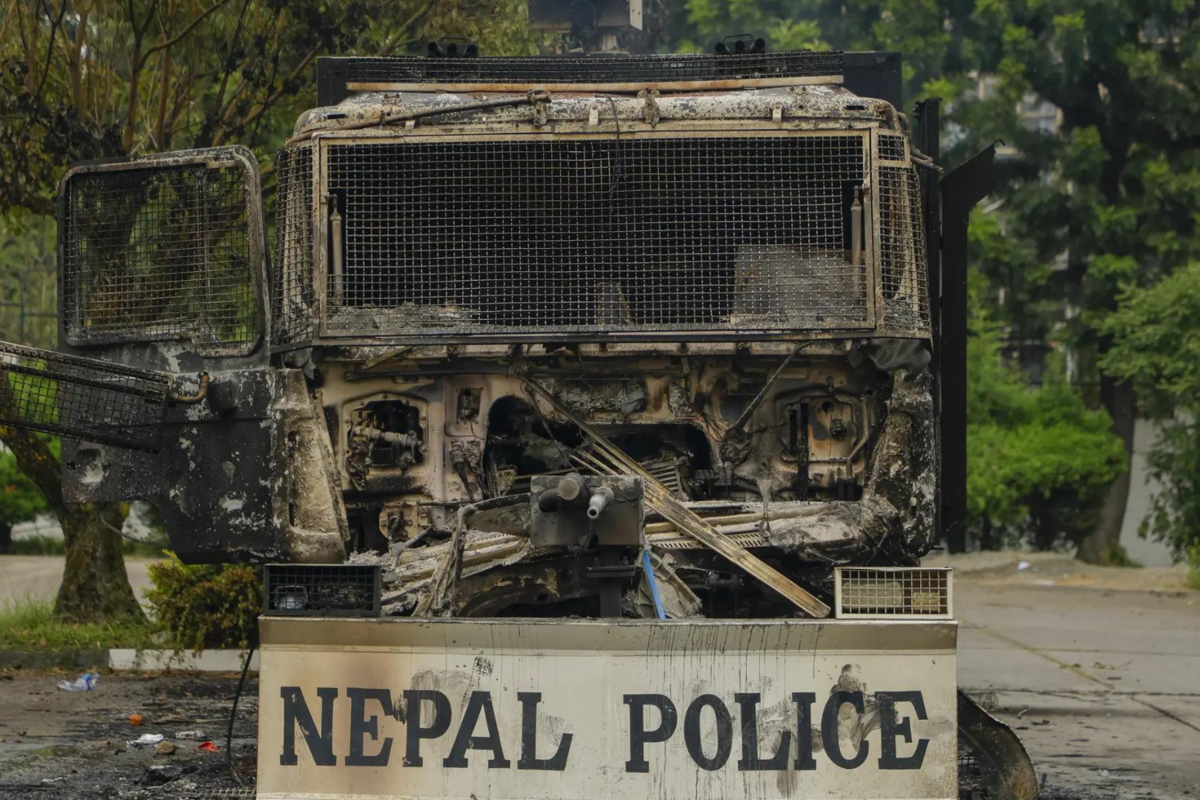
By September 9, protests had spiralled into riots. Demonstrators defied curfews, stormed the parliament and Supreme Court, and set fire to the Singha Durbar complex, the presidential office, and the residences of prominent politicians, including Oli and at least four former prime ministers.
Government offices, police stations, car showrooms, and even Nepal’s largest media house, Kantipur Media Group, were torched. Kantipur suspended its online editions kathmandupost.com and ekantipur.com after protesters burned its offices and servers.
The chaos spread beyond Kathmandu. Airports and hotels were attacked, and businesses looted. Tribhuvan International Airport in Kathmandu was temporarily closed before reopening under heavy military guard.
Gen Z organisers insisted that the core movement had called for peaceful protests. “Killing people, demolishing things, vandalising, looting — this is not our generation,” said activist Tanuja Pandey. “We wanted progress, not to push things back by 10 years at least because everything has been dismantled.”

Collapse of PM Oli’s government
Facing mounting pressure, Prime Minister Oli resigned on September 9 after protesters stormed his office. Several ministers and MPs also stepped down. Reports suggested Oli fled to an army barracks as protesters torched his residence.
His resignation left the political system paralysed. President Ram Chandra Poudel briefly asked Oli to lead a transitional government, but his disappearance created confusion about who was in charge.
AP quoted Kathmandu resident Sanu Bohara, a shopkeeper, as saying: “I feel there should be an election soonest and new leaders who are able to work for the country should be elected.”

Army steps in
By September 10, the army had taken control of Kathmandu and other cities, sealing borders with India and ordering citizens to surrender looted arms and ammunition.Soldiers patrolled streets, cleared debris, and quelled further jailbreak attempts. In the capital, people rushed to buy rice, vegetables, and meat during brief curfew breaks, while some visited temples to pray for peace.
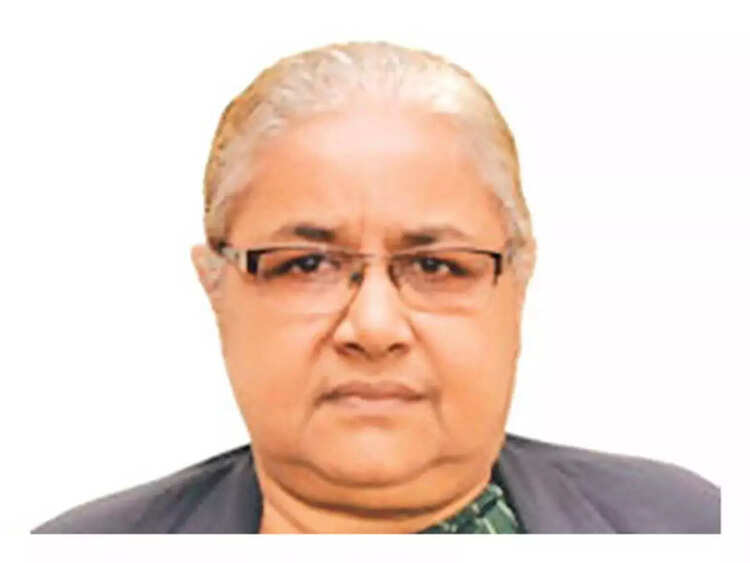
With political authority in limbo, the army opened talks with protest representatives. General Ashok Raj Sigdel met with Gen Z leaders, who demanded early elections and proposed former Chief Justice Sushila Karki as interim leader.Karki confirmed to an Indian news channel: “Those young boys and girls, they asked me, they requested me.” She said she would accept the role if formally appointed.Some groups, however, opposed her candidacy, while others suggested Kul Man Ghising, the former head of Nepal’s electricity authority.
Protesters’ demands and divisions
The Gen Z movement has no central leadership, but its demands are clear: an end to corruption, accountability for police shootings, and political reform. Many young people also demand fresh elections.Rakshya Bam, a protest leader, told The New York Times that demonstrators had formally proposed Sushila Karki to head an interim government.But the protests have also created generational fault lines. While Gen Z initiated the demonstrations, Shah noted that “the demonstration initially drew strong backing from the younger Gen Z population, which was later supported by Gen X as well as the general public.”Yet not all protesters agreed on methods. “I hope one day they will be proud of me,” said organiser Tanuja Pandey, referring to her family’s criticism. “Because now, everyone blames us, our generation, for having caused something we did not do.”

Deaths, jailbreaks, and army curfew
The Ministry of Health confirmed on Wednesday that at least 30 people have been killed in clashes since September 8, while over 1,033 have been injured. Hospitals across the country remain overwhelmed, with the Civil Service Hospital in Kathmandu alone treating 436 patients.
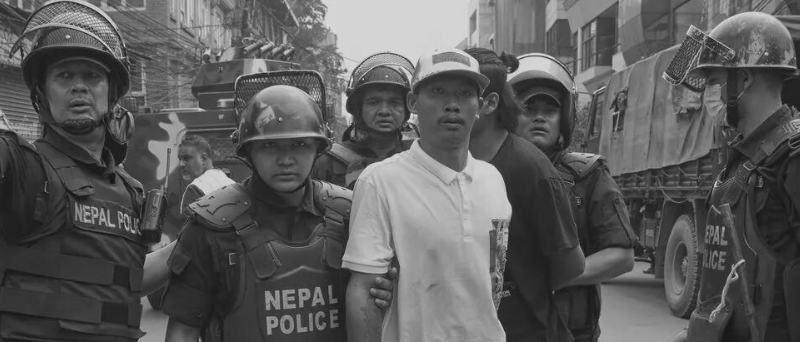
Nepal Police spokesman Binod Ghimire told AFP that “three policemen died yesterday and more than 13,500 prisoners have escaped from jails across the country.” Inmates overpowered guards and torched facilities as protests turned violent, forcing the army to carry out roundups across the country.
The army has since imposed strict curfews in Kathmandu and other major cities, lifted only briefly to allow residents to buy essentials. “Armed soldiers were guarding the streets, checking vehicles and offering assistance to those in need,” reported AP from the capital.

Humanitarian fallout and relief efforts
The scale of the violence has stretched Nepal’s healthcare system. According to the Health Ministry, 28 hospitals nationwide are treating the injured. The National Trauma Centre has 161 patients, while Everest Hospital is caring for 109.
Airline IndiGo announced on September 11 that it would resume daily flights to Kathmandu and operate two special relief flights. “In these extraordinary times in Kathmandu, our priority is to reunite you with your loved ones,” the airline said in a statement.
Meanwhile, citizens’ groups have begun clearing rubble in the capital. Volunteers are distributing food and water in neighbourhoods most affected by arson attacks.
What lies ahead
Nepal’s future remains uncertain. The military has not clarified whether it will directly run the country, facilitate an interim civilian administration, or call for fresh elections.
The Gen Z movement, while energised, remains decentralised and faces the challenge of translating mass protests into political organisation. Traditional parties, weakened by public anger, continue to call for constitutional procedures.For now, the streets of Kathmandu remain under military patrol, government buildings stand gutted, and millions of Nepalis are left wondering who will lead them next.
Top PM contenders
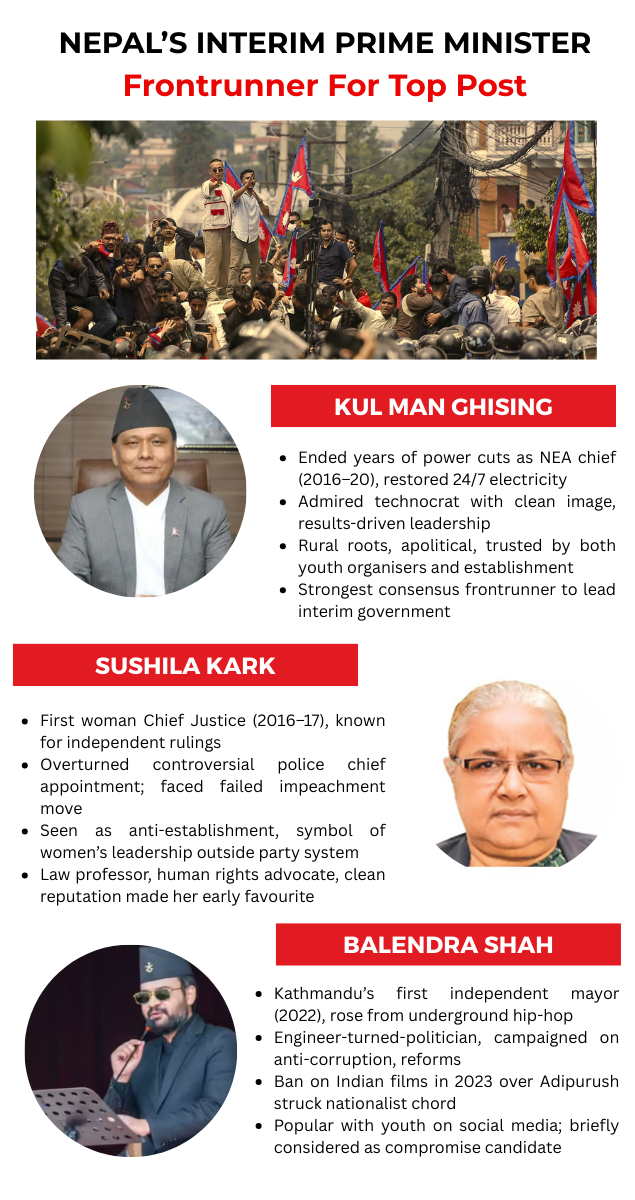
Sushila Karki: Nepal’s first female chief justice
Sushila Karki, chosen initially by Gen Z organisers, is remembered as Nepal’s first woman to serve as Chief Justice in 2016–17. Known for her independent rulings, she famously overturned a controversial police chief appointment, which led to an impeachment motion against her by political elites. Though the motion failed, it marked her as a bold anti-establishment figure. Karki, a law professor and human rights advocate, carries strong symbolic value as a woman leader outside the traditional party system. Her clean reputation and legal expertise made her an early favourite for interim leadership.
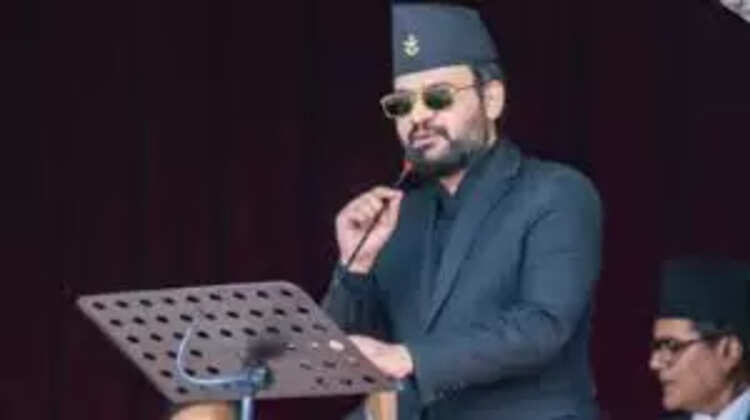
Balendra Shah: The rapper-engineer mayor
Kathmandu’s 35-year-old mayor Balendra Shah, better known as “Balen,” rose from Nepal’s underground hip-hop scene to political prominence. An engineer by training, he became Kathmandu’s first independent mayor in 2022 after campaigning on anti-corruption and reformist themes. His decision to ban Indian films in 2023 over “Adipurush” stirred nationalist sentiment, while his social media appeal resonates with urban youth. Although he urged protesters to avoid destruction, many young Nepalis see him as a fresh face untainted by old-party politics. Balen briefly emerged as a possible compromise candidate before throwing his support behind other names.
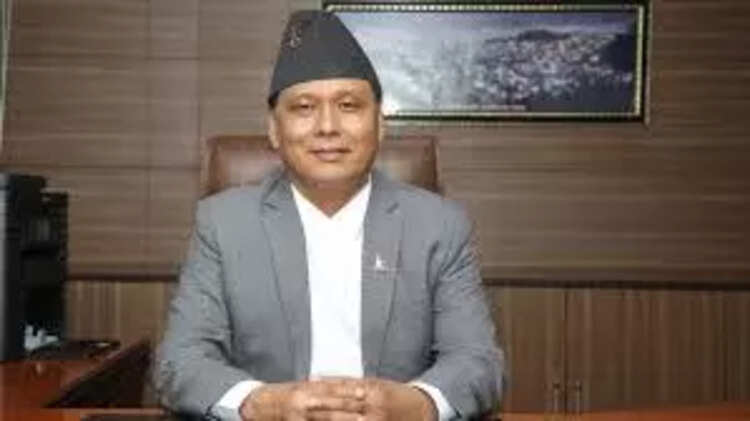
Kul Man Ghising: The load-shedding slayer
Technocrat Kul Man Ghising, 54, has quickly emerged as the strongest frontrunner to lead Nepal’s interim government. As head of the Nepal Electricity Authority (2016–2020), he ended years of crippling nationwide power cuts, restoring 24-hour electricity and turning the authority profitable. Born in a rural district, Ghising is admired for his clean record, pragmatic leadership, and results-driven style. Unlike traditional politicians, he is seen as apolitical and trusted by both Gen Z organisers and sections of the establishment. His reputation as a problem-solver makes him the consensus choice to stabilise Nepal during its turbulent transition.