
- News
- World News
- Rest of World News
- Despite Covid surge, Europe eases rules for key services
Trending
This story is from January 11, 2022
Despite Covid surge, Europe eases rules for key services
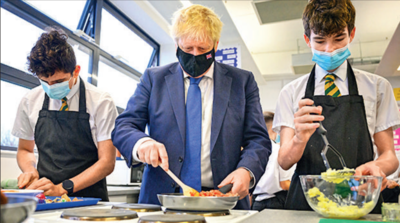
CHOPPING QUARANTINE TIME? PM Boris Johnson, who visited a school in England on Monday, said the UK is weighing up plans to cut Covid self-isolation period from seven days to five. The US, France, Switzerland, Spain and Belgium have all cut quarantine periods recently and eased some of the conditions for infected staff to return to work.
European governments are relaxing Covid rules to keep hospitals, schools and emergency services going as the much more contagious but less lethal Omicron variant changes their approach to the pandemic. Even though a rapid surge in infections has yet to peak in Europe, Spain PM Pedro Sanchez said the time was right to start evaluating the disease’s evolution “with different parameters”.
In Uganda, students returned to institutions shut nearly two years ago. The lockout helped to control the pandemic — with only 3,300 deaths recorded —but the government estimates about a third of pupils will never return. “We faced temptations,” said 16-year-old Rachael Nalwanga, happily returning to classes while many of her former schoolmates worked in new jobs or cared for new babies. “It has not been easy”.
Governments in Europe imposed severe lockdowns in the first phases of the pandemic, but now want to avoid that, knowing that Omicron is putting far fewer people in hospital and that most are vaccinated. They are also suffering immediate staff shortages in essential services as Omicron drives a steep surge in positive tests.
Britain began using military personnel to support healthcare and alerted its biggest private health company that it might be required to deliver treatments including cancer surgery should matters worsen. Spain was bringing back retired medics. Since before Christmas, Spain has let staff return to work without taking a test. The health ministry has also set a viral load threshold below which an infected person who takes a PCR test can be considered non-infectious, and so fit to work. In Italy, the challenge of nearly 13,000 health workers being absent with positive Covid tests was compounded by suspensions for non-vaccination. The Czech Republic followed suit on Monday, saying critical staff including teachers, and doctors could keep working even after testing positive.
There were political frictions too. In France, Stephane Claireaux, a member of the ruling party, said he had been pelted with seaweed and dirt by protesters against health pass.
Meanwhile, Chile has started administrating fourth dose to those above 55 years.
The mass return of children to school after the Christmas holidays is evidence that few wish to see a return to the days of online-only learning.
In Uganda, students returned to institutions shut nearly two years ago. The lockout helped to control the pandemic — with only 3,300 deaths recorded —but the government estimates about a third of pupils will never return. “We faced temptations,” said 16-year-old Rachael Nalwanga, happily returning to classes while many of her former schoolmates worked in new jobs or cared for new babies. “It has not been easy”.
Governments in Europe imposed severe lockdowns in the first phases of the pandemic, but now want to avoid that, knowing that Omicron is putting far fewer people in hospital and that most are vaccinated. They are also suffering immediate staff shortages in essential services as Omicron drives a steep surge in positive tests.
Britain began using military personnel to support healthcare and alerted its biggest private health company that it might be required to deliver treatments including cancer surgery should matters worsen. Spain was bringing back retired medics. Since before Christmas, Spain has let staff return to work without taking a test. The health ministry has also set a viral load threshold below which an infected person who takes a PCR test can be considered non-infectious, and so fit to work. In Italy, the challenge of nearly 13,000 health workers being absent with positive Covid tests was compounded by suspensions for non-vaccination. The Czech Republic followed suit on Monday, saying critical staff including teachers, and doctors could keep working even after testing positive.
As schools resumed in Spain, Portugal, the Netherlands, Italy and parts of Germany, youngsters faced an array of measures from masks to parents not being allowed past the gates and the prospect of a return to home learning if the number of cases exceeded certain limits. “I think this (pandemic) will always be part of our lives so it’s important for them to socialise,” said a mother dropping off her 11-year-old in Lisbon.
There were political frictions too. In France, Stephane Claireaux, a member of the ruling party, said he had been pelted with seaweed and dirt by protesters against health pass.
Meanwhile, Chile has started administrating fourth dose to those above 55 years.
End of Article
FOLLOW US ON SOCIAL MEDIA










Hot Picks
TOP TRENDING
Trending Stories
In World
Entire Website
- 'Wearing undergarments must but...': Delta's 'specific' memo for flight attendants
- 30 rocket launchers, 150 nests hit: Footage shows Israeli strikes on Hezbollah targets in Lebanon
- Virat Kohli's costly DRS error leaves Rohit Sharma frustrated
- EY employee death: Anna's father breaks silence after mother's letter goes viral
- Update on Jimmy Uso’s Health After Rikishi Asks for Prayers
- 7 Must-Watch Films to Inspire Students
- Alberto Del Rio Defends Former WWE CEO Vince McMahon Amid Sexual Harassment Allegations
- 9 Inspirational Quotes Every Student Should Embrace for Academic Success
- '3 lakh laddus daily, Rs 500 crore revenue annually': Tirupati's sacred sweet takes a sour turn after ghee adulteration charges
- 'What was the need to disrespect?': Priyanka Gandhi slams PM Modi over JP Nadda's reply to Kharge
- 'Militants trained in use of drones': Manipur flags ‘intel’ on influx of 900 tribal rebels
- PM Modi on 3-day US visit for Quad summit: Key agenda, full schedule
- Sri Lanka is not voting for a new president. It's voting for...
- Speaks 7 languages, PhD holder: All about the woman linked to pagers blast
- 1st Test Live: All eyes on Gill as India target mammoth lead
- In democracy, person at helm must tolerate strongest criticism: Gadkari
- Netanyahu and Nasrallah face a dilemma as conflict escalates
- EY employee's death: Anna Sebastian's father appeals to the company
- Jharkhand bans mobile internet across state to prevent cheating in exam
- Why B'desh batter Shakib has a band between his teeth while batting

Popular Categories
Hot on the Web
Top Trends
IND vs BAN Live ScoreRohit SharmaVirat KohliRishabh PantGurgaon Bike AccidentTirupati Laddu RowIsraeli Strikes on HezbollahOdisha Bharatpur Police Station NewsRhea RipleyIsrael Hezbollah WarIND vs BAN Highlights Days 2Kerala Lottery ResultTirupati PrasadamEY Pune EmployeeSean DiddySandip GhoshLive Cricket Score
Trending Topics
Stree 2 CollectionRuksana BanoAbdu RozikYudhra ReviewJayamSana Khan HusbandTirupati Laddoo ControversyGOAT CollectionVaazha OTT ReviewKozhipannai Chelladurai ReviewCheetahsKangana RanautAditi Rao HydariDalljiet KaurHoliday DestinationVikas SethiBest Selling Earbuds Under 1000Apple iPhone 16 ProVirat KohliWordle Answer
Living and entertainment
Latest News
Stuck in Lebanon for 23 years, Punjab man back homeVivek Ramaswamy hints at Ohio governor run at his Springfield town hallYudhra box office collection day 1: Siddhant Chaturvedi and Malvika Mohanan starrer opens with Rs 4.50 croreBigg Boss fame Sana Khan on her photos wearing Abayas going viral during her Maldives vacation; says 'people think you can only wear swimwear...'Top most expensive athlete divorces: From Michael Jordan to Tiger WoodsGovt caps late fee at Rs 1k for vehicle fitness certificateSalman Khan will NOT make a cameo in Rohit Shetty’s 'Singham Again'; fans say 'disappointed'Not taking EY to court, says dead CA's fatherKarnataka HC asks couple to seek spiritual guru's help to save marriageBombay HC strikes down Centre's fact check unitLibra, Daily Horoscope Today, September 21, 2024: Focus on a balanced diet and exercise to maintain well-beingRicky Ponting reveals reason behind split with Delhi CapitalsMemeFi daily codes for 21 September 2024: Boost your earnings with daily codes and know how to maximizeRohit Sharma gets angry at team-mate: 'Soye hue hain sab log'Women turnout exceeds that of men in six J&K seats in Phase-1Kate Middleton uses this parenting strategy to keep her kids disciplinedKarnataka CM Siddaramaiah signals probe into land case involving HD Kumaraswamy, BS YediyurappaTamil Nadu: 72 spas, massage centres offering sex services shut down in Coimbatore
Copyright © 2024 Bennett, Coleman & Co. Ltd. All rights reserved. For reprint rights: Times Syndication Service