Why it’s in India’s interest to quell the political crisis in Nepal
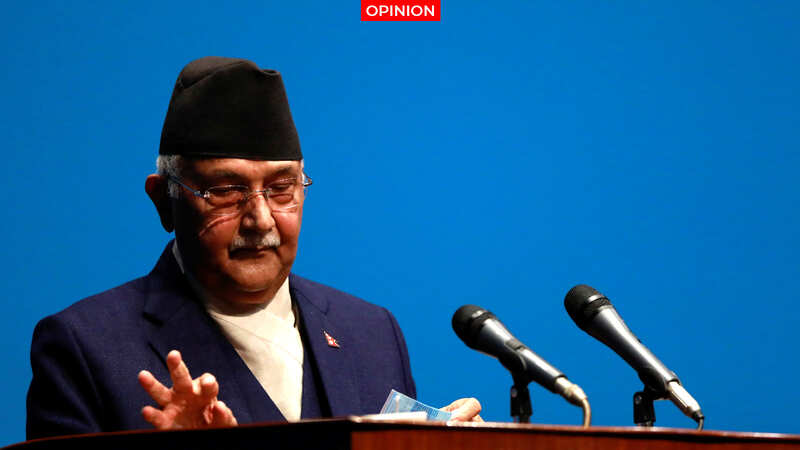
- Ranjit Rae
- Jun 9, 2021, 12:13 IST IST
We cannot ignore the long-term damage by Oli-led governments to bilateral relations, particularly with respect to the border, given China’s heightened interest in the region
A bizarre political scenario is unfolding in Nepal even in the midst of a raging pandemic. The health minister has been replaced. A government, which announced general elections in November this year and not secured a vote of confidence of the lower house of Parliament, has now been expanded to include three deputy prime ministers. Some ten Madhesi leaders from a faction of the Janata Samajwadi Party (JSP) have been sworn-in. A further expansion is awaited as key portfolios such as home and defence remain unfilled. The erstwhile foes of the establishment have become uneasy bedfellows. There is a compromise of values and principles on all fronts in the quest for cold power and norms of constitutional propriety and principles of democratic governance are being consigned to the dustbin in the country.
The facts speak for themselves. Within six months, the lower house of Parliament was dissolved twice. After the first dissolution was ruled unconstitutional, a series of questionable steps were taken that ensured the continuation of the current Prime Minister KP Sharma Oli.
The facts speak for themselves. Within six months, the lower house of Parliament was dissolved twice. After the first dissolution was ruled unconstitutional, a series of questionable steps were taken that ensured the continuation of the current Prime Minister KP Sharma Oli.