
- News
- Videos News
- india News
- Diving birds more prone to extinction, say scientists
Trending
Diving birds more prone to extinction, say scientists
| Dec 26, 2022, 11:37:53 PM | ANI
- Share
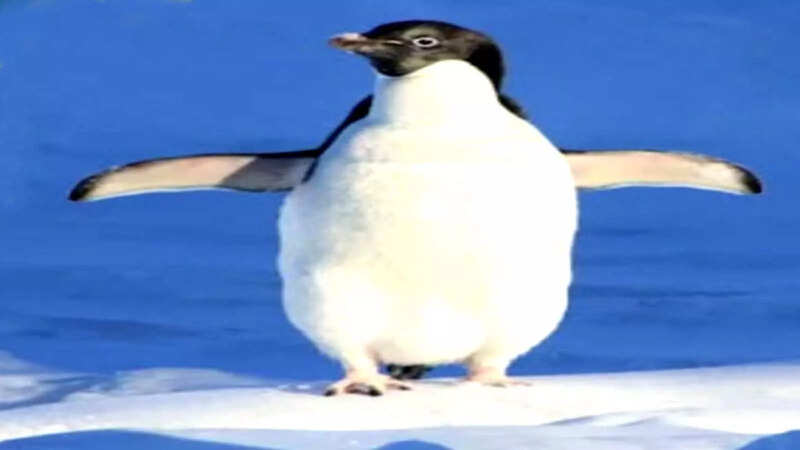
According to a recent study from the Milner Centre for Evolution at the University of Bath, diving species like penguins, puffins, and cormorants may be more vulnerable to extinction than non-diving birds. The authors hypothesise that this is due to their extreme specialisation, which makes them less competent than other birds to adjust to shifting circumstances. Less than a third of the 727 species of water birds use diving as a method of food-seeking, making diving a relatively uncommon trait in birds. The study, published in Proceedings of the Royal Society B, found that diving evolved independently 14 times and that once a group had evolved the ability to dive, subsequent evolution didn't reverse this trait. The researchers found that body size amongst the diving birds had evolved differently depending on the type of diving they did. Wing divers, such as penguins and puffins, use their wings to propel themselves through the water. These birds tend to have larger body sizes adapted for swimming. Birds that 'foot dive', such as cormorants, kick their feet to swim and are similarly larger in body size to the wing divers.
Recommended Playlist
- 03:09
 Seagull With China-Made GPS Device Near Karnataka Naval Base Triggers Spy Buzz; Here's the Truth2 months ago
 - 04:18British Police Chopper 'FORCED' Into Emergency Dive Over US Base | Leaked Logs Reveal UFO Encounter3 months ago
- 01:04'Figment Of Imagination': Navy Chief On Reports Of Missile Test Delay Due To Chinese Spy Vessel3 months ago
- 02:04First Kiss Dates Back 21 Million Years: Scientists3 months ago
- 04:05Man Who Flew Same Air India Plane Before Crash, Flags Issues In Viral Post Seen By 4 Million People8 months ago
- 04:26Experts Stunned As Two-Person Shark Assault Forces Mass Beach Closures And Triggers Emergency Hunt3 months ago
- 05:07Indian Navy’s New Hunter, INS Anjadip To Targets Submarines Close To Coast1 week ago
- 03:27Dwayne Johnson’s Flight Nightmare; Emergency Forces Shocking Mid-Air U-Turn11 months ago
- 03:50‘JUST BEGUN…’: Trump’s War Secy EXPLODES After ‘Kill Them All’ Report On US Strikes In Caribbean3 months ago
- 05:15Defence Experts Break Down Possible Causes Behind Tejas Fighter Jet Crash In Dubai3 months ago









Top Viral Videos

- 09:21Hezbollah Vs IDF: Israeli Troops Suffer Serious Injuries In South Lebanon As Fighting Escalates4.8K views | 2 days ago
- 08:16Iran Targets Bahrain Hotels As Saudi Intercepts Ballistic Missiles; US Says Attacks Down By 90%4.2K views | 2 days ago
- 00:00SHOCKING: Nick Reiner In 'Isolation' As 'Sole Visitor' Seen At Jail During Parents’ Murder Case413 views | 2 days ago
- 01:31Indian Travel Vlogger Shares War Time Scenes From Israel203 views | 2 days ago









Short Videos













Explore Every Corner
Across The Globe
IND vs NZ Live ScoreChina Iran relationDubai airportAnurag DobhalSuryakumar YadavIsrael Iran WarIND vs NZ Match TimingsPrithvi ShawIndian Women Cricket TeamIndia vs New Zealand ScorecardT20 World Cup TrophyIND vs NZ Live StreamingAhmedabad Match Weather UpdateT20 World Cup 2026 Closing CeremonyBrett RandellDaren SammyMS DhoniIndian National Cricket TeamSouth Africa Cricket TeamRachin RavindraAlyssa HealyJames AndersonIND vs NZ Match SecuritySunil GavaskarLuLu groupKim Ju AeMurmu-Mamata rowDwarka ExpresswayUttam Nagar murderWhere to Watch Ind vs Nz t20
Hot on the Web
Women's Day WishesHappy Women's Day WishesVijayShah Rukh KhanDhurandhar 2 TrailerAhmedabad Police Traffic advisoryLab Grown GoldBest War Movies On NetflixThe Kerala Story 2War News AnxietyMagnesium DeficiencyWomens's Day MessagesBollywood War MoviesDhurandhar 2 TrailerWomens Day QuotesChiranjeeviAllu ArjunWomen's Day QuotesYami GautamAmitabh BachchanRERA 2.0Maheika SharmaThe Great Indian Kapil Show 4Anurag DobhalDeeksha SethYoung Sherlock ReviewHoroscope TodayThe Bluff Movie ReviewBorder 2 Movie ReviewTu Yaa Main Movie ReviewToday Gold Rate in ChennaiDelhi Weather TodayDelhi AQI TodayMumbai AQI TodayMaharashtra Public Holidays 2026Maruti Brezza Facelift SpiedLab Grown DiamondsMark ZuckerbergSam AltmanSocial Media BanWomen’s Day AI Prompts
Trending Topics
Suryakumar YadavDroupadi MurmuZayed Al NahyanIsraeli Drone StrikeICAI CA Foundation ResultCUET PG Admit CardNOC Vehicle TransferAIIMS Robotic SurgeriesIran vs US Israel warBrett RandellNEET UG 2026 RegistrationNBEMS GPAT Answer Key 2026ICAI CA Intermediate Toppers ListUS Embassy BlastMumbai UniversityBareilly Twin Sister MurderDelhi Meerut Expressway AccidentDelhi Uttam Nagar MurderAbu Dhabi Zayed International AirportDubai travel updateAmritpal SinghJunaid-Nasir murder caseVande Bharat ExpressDelhi Metro corridorsBrooks KoepkaJustin HerbertAlysa LiuMLB opening dayCristiano RonaldoMumbai Indians New IPL JerseyDaylight Saving Time 2026Electric Cars Vs Petrol CarsSam AltmanApple Macbook Air M5Stephen HawkingAnthropic Ceo Dario AmodeiNvidia China DreamMacbook Neo VSMacbook AirOracle LayoffsHow to watch ICC T20 World Cup 2026 in USAHow to watch ICC T20 World Cup 2026 in CanadaHow to watch T20 World Cup online in India
Popular Categories
HeadlinesSports NewsBusiness NewsIndia NewsWorld NewsBollywood NewsHealth+ TipsIndian TV ShowsTechnologyTravelEtimesHealth & FitnessHow to watch T20 World Cup OnlineIndia vs Pakistan MatchAstrologyAutoWeather TodayGold Rate Today DelhiSilver Rate TodayPlatinum Rate TodayIs Bank open todayMarch Bank HolidaysMarch Public HolidaysDeorhiTechnology NewsInternational SportsPublic HolidaysBank HolidaysT20 World Cup Squad IndiaT20 Wprld Cup Squad
Latest News
Meet Anjali Sardana: Indian entrepreneur who built $100 million startup after studying in US“I can sp**k him”: Conor McGregor names the opponent he would like to fight, despite being ignored by Dana White’s UFC White House Card5 effective tips to build better boundariesWomen at the helm: How female leaders are redefining modern industriesWomen shaped my journey, says Gautam Adani on International Women's DayIndian Consulate in Dubai issues advisory for Indians stranded in UAE; shares details on flights, visa waiver, hotels, helpline numbers'Supreme commander ignored': TMC's Abhishek Banerjee targets Centre over President Murmu’s ‘snub’Devoleena Bhattacharjee opens up about her motherhood journey and returning to work; “When the time is right”Nasir–Junaid murder case: Accused Monu Manesar gets big welcome as he returns to Gurugram village after bail'If he is composer of 'Ramayana' then I don't think there is any problem': Salim Merchant on AR Rahman’s ‘communal bias’ row'Badshah hoga apne ghar ka': Fresh summons issued against the rapper-singer for his song 'Tateeree' by Haryana State Commission for WomenTelangana plans EV push, may offer e-scooters to female studentsOlympic sprinter Fred Kerley questions $3,000 legal cost after two-year track and field ban for missed doping tests'Will not sign other bills until Save America Act is passed': Donald TrumpPrithvi Shaw gets engaged to long-time girlfriend Akriti Agarwal, shares heartwarming photosKareena Kapoor marks International Women's Day 2026 with iconic 'Main apni favourite hoon' mantra: 'Say every single day'Iran sing national anthem before bowing out of Women's Asian CupMan extradited from India pleads guilty to 2005 Long Island crash, says 'sorry' to the family
Copyright © 2026 Bennett, Coleman & Co. Ltd. All rights reserved. For reprint rights: Times Syndication Service