
- News
- Videos News
- international News
- Supreme Court seems ready to sink student loan forgiveness
Trending
Supreme Court seems ready to sink student loan forgiveness
8 views | Mar 01, 2023, 10:26:32 AM | AP
- Share
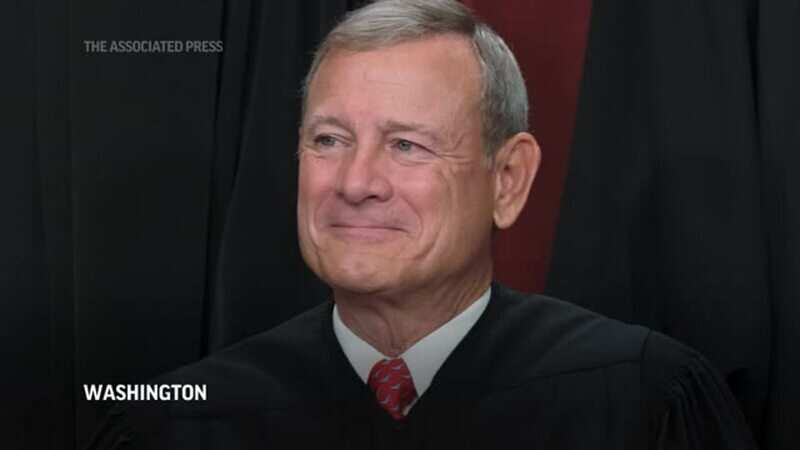
Conservative justices holding the Supreme Court's majority seem likely to sink President Joe Biden's plan to wipe away or reduce student loans held by millions of Americans. In arguments lasting more than three hours Tuesday, Chief Justice John Roberts led his conservative colleagues in questioning the administration's authority to broadly cancel federal student loans because of the COVID-19 emergency. The plan has so far been blocked by Republican-appointed judges on lower courts. It was not clear that any of the six justices appointed by Republican presidents would approve of the debt relief program, although Justices Brett Kavanaugh and Amy Coney Barrett appeared most open to the administration's arguments. Biden's only hope for being allowed to move forward with his plan appeared to be the slim possibility, based on the arguments, that the court would find that Republican-led states and individuals challenging the plan lacked the legal right to sue. That would allow the court to dismiss the lawsuits at a threshold stage, without ruling on the basic idea of the loan forgiveness program that appeared to trouble the justices on the court's right side. Roberts was among the justices who grilled the Biden administration's top Supreme Court lawyer, Elizabeth Prelogar, and suggested that the administration had exceeded its authority with the program. Roberts pointed to the wide impact and expense of the program, three times saying it would cost “a half-trillion dollars.” The program is estimated to cost $400 billion over 30 years. “If you're talking about this in the abstract, I think most casual observers would say if you're going to give up that much ... money. If you're going to affect the obligations of that many Americans on a subject that's of great controversy, they would think that's something for Congress to act on,” Roberts said. Kavanaugh suggested that the administration was using an “old law” to unilaterally implement a debt relief program that Congress had rejected. He said the situation was familiar: "in the wake of Congress not authorizing the action, the executive nonetheless doing a massive new program.” That, he said, “seems problematic.” Kavanaugh noted that the administration was citing the national emergency created by the coronavirus pandemic as authority for the debt relief program. He argued that some of the “finest moments in the court's history" have been "pushing back against presidential assertions of emergency power.” At another point, though, Kavanaugh suggested there might be a better fit between the program and the authority provided by Congress than there was in other cases in which the court's conservative majority ended other pandemic-related programs, including an eviction moratorium and a requirement for vaccines or frequent testing in large workplaces. Prelogar told the justices “defaults and delinquencies will surge above pre-pandemic levels" if the program isn't allowed to take effect before a three-year, pandemic-inspired pause on loan repayments ends no later than this summer. "The states ask this court to deny this vital relief to millions of Americans,” she said. The administration says that 26 million people have applied to have up to $20,000 in federal student loans forgiven under the plan. “I’m confident the legal authority to carry that plan is there,” Biden said Monday. The president, who once doubted his own authority to broadly cancel student debt, first announced the program in August. Legal challenges quickly followed. Republican-led states and lawmakers in Congress, as well as conservative legal interests, are lined up against the plan as a clear violation of Biden's executive authority. Democratic-led states and liberal interest groups are backing the administration in urging the court to allow the plan to take effect. The administration says a 2003 law, commonly known as the HEROES Act, allows the secretary of education to waive or modify the terms of federal student loans in connection with a national emergency. The law was primarily intended to keep service members from becoming worse off financially while they fought in wars in Afghanistan and Iraq. Nebraska and other states that sued say the plan is not necessary now to keep defaults roughly where they were before the pandemic. The 20 million borrowers who would have their entire loans erased would get a “windfall” leaving them better off than before the pandemic, the states say. “This is the creation of a brand new program, far beyond what Congress intended,” Nebraska Solicitor General James Campbell said in court Tuesday. Dozens of borrowers came from across the country to camp out near the court on a soggy Monday evening in hopes of getting a seat for the arguments. Protesters gathered outside the high court as justices heard arguments in the legal fight over Biden's plan for debt relief. Student government leaders from Big 12 universities who were in the nation's capitol meeting with legislators today about higher education affordability and access to mental health spoke to The Associated Press about the need for student loan debt relief. A group of students from the University of Texas at Austin said that they were in solidarity with the protesters, and told of the importance of student loan relief. Patrick Chaton, a student from the University of Texas at Austin said: "For me, it's going to mean more than just my education. It's going to be more to my parents who honestly were quite scared when I wanted to go to Austin. They felt like it was unaffordable. But student loans have really helped me at least. You know, being a low-income student helped me take classes, put myself out there, and be involved in organizations like student government." When asked about older Americans who express concern that paying off student debt is unfair to those who paid off their loans, Isabel Agassi said, "I think that because of inflation, the cost of education for college students now is significantly more than it was at that time." Libby McTaggart said; "I would say to older Americans to remember that there are people there, young people who simply don't have the generational wealth, don't have the means and don't have the resources to pay their college in full debt free. And as the cost of college continues to outpace inflation, it's critical that support is given to those people who don't have the means to repay their debt right away. Earlier programs halted by the court were billed largely as public health measures intended to slow the spread of COVID-19. The loan forgiveness plan, by contrast, is aimed at countering the economic effects of the pandemic. The national emergency is expected to end on May 11, but the administration says the economic consequences will persist, despite historically low unemployment and other signs of economic strength.
Recommended Playlist
- 16:30
 FULL: ‘Dems Won’t Do Basic Job’: Johnson Goes Ballistic | US Govt Shutdown 3rd-longest In History4 months ago
 - 10:46Triple Blow for Trump: GOP Defection in Indiana, Legal Setback on James & Cong Snub On Mark Kelly2 months ago
- 25:55FULL: U.S. Republicans Advance Trump's Tax Cut Bill In Rare Vote After Shocking Opposition9 months ago
- 12:10Pam Bondi Yells At Senator Over Tom Homan Question; 'You were Also On Video Outside White House...'4 months ago
- 03:27EYE-POPPING MOMENT! Lone Republican Shocks Johnson; Breaks Ranks GOP On Epstein Files3 months ago
- 05:07India-Pak Conflict: Ex-Pentagon Official Mocks Trump's Credit Rush, Tells Indians To Ignore Him9 months ago
- 03:10Defense Cites Idaho Killer Bryan As Charlie Kirk’s Alleged Assassin Fights For Fair Trial Look4 months ago
- 21:03Epstein Files Showdown: Schumer Challenges Trump, Bondi To ‘COME CLEAN’ Ahead Of Deadline2 months ago
- 29:39Senator Kennedy Pushes Bill To Withhold Congress Pay During Shutdowns, Sparks Debate3 months ago
- 06:13Letitia James Case: Grand Jury's Big Order After Courtroom Drama; DOJ Faces Trump Anger On Big Blow?2 months ago








Short Videos








Related Articles

Explore Every Corner
Across The Globe
India vs South Africa Live ScoreSri Lanka vs England LiveIndia vs South Africa ScorecardSunil GavaskarMohammad AmirIrfan PathanPAK Cricket TeamMorne MorkelFAF DU PlessisTristan VukcevicPakistan vs NZ StatsPaige Spiranac Net WorthCandace OwensMrBeastGautam GambhirAlysa LiuNeal KatyalShikhar DhawanCleveland Cavaliers Vs Charlotte HornetsJakub Mensik Net WorthTommaso Giacomel CollapsedSidney Crosby and Kathy Leutner Net WorthBrittany MahomesKayla NicoleMens Hockey OlympicsTravis Kelce MansionNovak Djokovic Marbella MansionWinter OlympicsT20 World CupT20 World Cup 2026 Schedule
Hot on the Web
Rajpal YadavPlato QuoteAssi ReviewSalim KhanJana NayaganDelhi MetroFunky OTT RelesaeAmitabh BachchanVijay DeverakondaToxic TeaserRaj KundraThe 50 WinnerR MadhavanKiku ShardaHouse Of The Dragon 3 TeaserSalman KhanNeena Gupta'O'Romeo' Box Office CollectionFyodor Dostoevsky QuoteRajinikanth HouseSocrates QuoteRaakshasaRanveer SinghImmanuel KantKuno National ParkEnid BlytonThe 50Border 2 Movie ReviewMichael Douglas QuoteTu Yaa Main Movie ReviewToday Gold Rate in ChennaiDelhi Weather TodayDelhi AQI TodayMumbai AQI TodayMaharashtra Public Holidays 2026Vivo V70 Elite Vs Oneplus 15RAsha SharmaSam AltmanFemale King CobraMark ZuckerbergTata Punch Ev Facelift
Trending Topics
Delhi PoliceCalcutta HCKirti PatelN Ramchander RaoAhmedabad accidentSurat builder suicideUP murder-suicideVikarabad murderChandru LamaniUP wedding clashVungzagin ValteDelhi cylinder blastDelhi road crashBengaluru-Goa Vande BharatShatrughan SinhaChennai Electric air taxiGiridih murderBhind bus crashMaharashtra chemistry paperKolkata’s Alipore MuseumBengaluru violenceMerrut suicideUP student suicideDelhi triple murder caseBengaluru-Goa Vande BharatKarnataka’s new schoolIndia’s coasts sinkingFaridabad murderKarnataka exam boardPonniyin Selvan IIMumbai coastal roadKarnataka collegeMLA Aaditya ThackerayNissan IndiaTamil Nadu pollsCoal transport pollutionKalyan-Navi Mumbai connectivityLashkar-e-TaibaUlhasnagar general bodyHow to watch ICC T20 World Cup 2026 in USAHow to watch ICC T20 World Cup 2026 in CanadaHow to watch T20 World Cup online in India
Popular Categories
HeadlinesSports NewsBusiness NewsIndia NewsWorld NewsBollywood NewsHealth+ TipsIndian TV ShowsTechnologyTravelEtimesHealth & FitnessHow to watch T20 World Cup OnlineIndia vs Pakistan MatchAstrologyAutoWeather TodayGold Rate Today DelhiSilver Rate TodayPlatinum Rate TodayIs Bank open todayBank Holidays in February 2026Public Holidays in February 2026DeorhiTechnology NewsInternational SportsPublic HolidaysBank HolidaysT20 World Cup Squad IndiaT20 Wprld Cup Squad
Trending Videos
Israel Violence: DRONE ATTACK Hits House In Northern Kafr Kanna; Several Injured, Gunfight FollowsPM Modi Flags Off Meerut Metro, Namo Bharat Train From Shatabdi Nagar StationArab Nation Warns Trump Of ‘NEVER-SEEN WEAPONS’; 'US WARSHIPS WILL SINK IF IRAN....' | WatchPM Modi Inaugurates India’s Fastest Metro In Meerut, Namo Bharat CorridorAnjali Tendulkar Returns To Mumbai Ahead Of Arjun Tendulkar–Saaniya Chandhok WeddingDelhi Double Murder, Terror Alert, Stabbing & MoreRohit Sharma And Wife Return To Mumbai After Shikhar Dhawan Wedding FestivitiesTanishaa Mukerji Steps Out For A Fun Saturday Night DinnerMalaika Arora Spotted Visiting Hospital With Son Arhaan Khan In MumbaiVirat Kohli And Anushka Sharma Leave Mumbai After Serene Alibaug GetawaySohail Khan Visits Lilavati Hospital To Check On Father Salim KhanMeet Thumki, The Beloved Canine Mascot Of Taj BengalChamera-I Hydro Power Station Marks 32 Years Of Powering North IndiaDog Eating Offerings Near Shivling Leaves Devotees EmotionalDevotees Gather For Patitapabana Darshan At Shree Jagannatha TempleDevotee Carries Pet Dog On Trek To Badrinath Temple, Video Goes ViralQuad Strategy In Focus As Capt DK Sharma Explains Indo-Pacific CalculusDog’s Quiet Act For Lifeless Turtle At Beach Moves Internet
Latest News
Iran 'one week' from bomb-grade uranium? Protests flare again in Tehran - top developmentsFan box-cricket tournament brought amateur players together in KolkataInside Alia Bhatt’s Rs 3 lakh Gucci coat that made her airport look go viral‘I’d marry you with paper rings’: How Taylor Swift has shared her ‘wedding dreams’ through her music and wordsOne-third of children in US cannot turn pages, are instead trying to swipe books: Is literacy losing the battle to screens?Groundhogging: Why you're dating the same person in different bodies (And how to break the romantic time loop)Driver of gangster’s son shot at in Wasseypur'Russia suffering 1,000 casualties a day, 80% from drones': Rishi Sunak writes after meeting Volodymyr ZelenskyyPapon blends ghazal, Bollywood and Lennon at his Mumbai concertDocumentary traces India’s vanishing mask traditions, from ritual performance to living heritage"I was more intense on the third one...": Timothee Chalamet reflects on final 'Dune' filmGemstones that can balance a fickle mindAfter getting slapped by Larry Wheel and Tiki Ghosn, ‘Deen The Great’ calls Ryan Garcia “trash” as he beats Mario Barrios in WBC TitleTejal Hasabnis stars as India A beat Bangladesh A by 46 runs to lift Women’s Asia Cup Rising Stars 2026 titleJamtara Cyber Fraudsters Arrested: Interstate Ring Dupes Victims Across IndiaDetroit Tigers open 2026 Grapefruit League schedule with lopsided 20–3 loss to YankeesJames Van Der Beek's widow remembers Eric Dane, sends love to Rebecca GayheartKonkona Sen Sharma, Pratibha Ranta opens up on why 'Accused' felt different
Copyright © 2026 Bennett, Coleman & Co. Ltd. All rights reserved. For reprint rights: Times Syndication Service