
- News
- 35% rise in ad spend by prez hopefuls since 2012
This story is from August 30, 2016
35% rise in ad spend by prez hopefuls since 2012
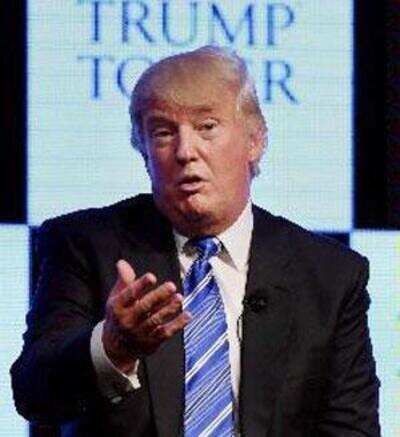
This spectacular level of the usual ad-war is all the more astonishing because one of the Republican candidates, Donald Trump, had not spent anything on TV ads.
The airwaves were hogged by his bitter rivals who fell by the side as the primaries progressed. Democrat Hillary Clinton has largely outspent her rivals by a big margin. These figures emerge from an analysis done by the Wesleyan Media Project of TV ads data tracking done by Kantar MediaCMAG. It co vers all broadcast TV ads but does not include cable ads placed locally.
TV ad campaigning is a staple of US elections and millions are spent on it. A study by MIT's Poverty Action Lab in 2006 had shown that such ads can cause significant shifts in support but the effect doesn't last more than a week.
How are the two rivals, Hillary Clinton and Trump, handling the TV ad campaign after they won the primaries? Wesleyan's analysis shows that after June 8 , when all primaries were done and dusted with, Clinton or her supporting groups had bought $88 million worth of TV ad slots while Trump's supporters had managed just $9 million worth.
Green Party candidate Jill Stein had aired only 38 ads, while Purple PAC, which supports Libertarian Party nominee Gary Johnson, has aired only two ads. “We haven't seen a modern presidential campaign that is so lopsided in terms of adverti sing,“ said Erika Franklin Fowler, co-director of the Wesleyan Media Project. “It's tough to parse out advertising's contribution to Clinton's current lead in polls relative to other factors, but there is little doubt that Trump could use more disciplined messaging on air.“
The Trump campaign bought its first TV ad on August 19 in some states. Between 19th and 21st August, the Clinton campaign had 2,746 ads while Trump had fielded 1,275.
The analysis shows that only about a third of the ads were positive, that is, they talked about the favoured candidate and hisher qualities, half were `negative', featuring attacks on opponents while 20% of the ads contrasted the two candidates.
Clinton is well ahead of Trump in the overall fund raising race also. She netted $61 million between July 21 and August 21 while Trump managed only 38 million according to Centre for Responsive Politics analysis of federal filings.
End of Article
FOLLOW US ON SOCIAL MEDIA
Photostories

Hot Picks
TOP TRENDING
Popular Categories
Hot on the Web
Top Trends
Stock Market TodayBasit AliBrittany MahomesRavichandran AshwinBabar AzamKanpur Test Match RecordsUGC NET Result 2024Tirupati LadduIndia T20 WC SchedulePPF CalculatorBryonna Burrows Net WorthWomen T20 World Cup Points TableWomen T20 World Cup ScheduleIND vs PAK T20 WC MatchDiddyTop Management Colleges of IndiaLive Cricket Score
Trending Topics
GovindaNavratri Colours 2024Solar Eclipse 2024 TimesNavratri WishesGandhi Jayanti WishesDevara CollectionGOAT OTT ReleaseGandhi Jayanti 2024Rajinikanth Health UpdateNavratri HistoryDevaraGovinda NewsDevara Movie ReviewHealthy RaitasSwatantrya Veer SavarkarColdplay India tour 2025Upcoming Smartphones In OctoberAmazon SaleSony Bravia 55 inch 4k Ultra HD TVWordle Answer
Living and entertainment
Latest News
Zodiac Signs as Romantic Movie CouplesJapanese artist’s tribute to Indian classical dance formWomen's T20 World Cup 2024: Teams, format, venues, defending champions and more FAQs answeredFormer WWE Champion Jeff Hardy talks about “addiction struggles”Qualifier Yash upsets second seed Manish at Fenesta Open'Scam marathon' under JMM-Congress-RJD rule 'biggest obstacle' to Jharkhand's development: PM ModiPopulation of Hindus & tribals declining in Jharkhand, says PM ModiWHO chief praises PM Modi on 10th anivarsary of Swachh Bharat missionNasa switches off instrument on Voyager 2 spacecraft to save powerKTR reason for Naga-Samantha divorce, says Telangana minister; sparks rowIndian cinema has a rich legacy of storytelling: Rana DaggubatiAre 3 senior Karnataka mantris jockeying for chief minister's chair?Best Leather Wallets for Men in 2024: Timeless EleganceCongress leader Jairam Ramesh says 'fierce urgency for peace' in West AsiaCSS Profile: 5 steps for US students to fill up this financial aid form successfullyNavratri colours 2024: Know the colour for each day of the Shardiya NavratriShatrughan Sinha reacts to conspiracy theories around Govinda's bullet injury and says, 'There are no ifs and buts.'Kartik Aaryan takes a leaf from PM Modi's diary, proudly declaring: My chest is now 56 inches
Copyright © 2024 Bennett, Coleman & Co. Ltd. All rights reserved. For reprint rights: Times Syndication Service