Trending
This story is from June 23, 2020
Dubbed TV content opens up new avenues for voice-over artistes
With a plethora of serials from other states headed here, the dubbing market is hot and happening
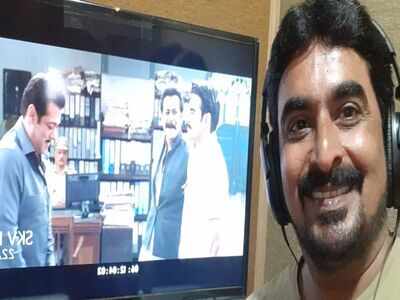
One of the most notable effects of the lockdown, as far as entertainment is concerned, is the opening up of Kannada general entertainment channel programming to dubbed content. In the last month or so, a steady stream of shows from other centres have been dubbed for telecast on Kannada GECs, the downside of which has been cancelled original shows and loss of work for several actors an technicians.
‘Dubbing is lucrative’
Yashwanth Bijoor, who has also acted in serials and movies, has been a voice-over artiste for films for a while and has now included TV to his skillset. He is currently the voice of Karna in the dubbed version of Mahabharata. “I usually dub for 10 episodes at a stretch. Apart from knowing the language, one needs to have a good voice and diction. It helps if you have acting experience to get the emotions of the onscreen character right in your voice over.”
Theatre person and actor Suman Jadugar, who has taken up dubbing as a part time job, says, “There is a huge demand for dubbing artistes, which makes it a reliable job in the current scenario. Even in films, when actors from other industries who don’t know the language are on board they need the right dubbing artists to breathe life into the character.”
Established dubbing artistes bypassed for new talent
Actress and senior dubbing artiste
'Translating dialogues for dubbed shows is quite a task’
Director and writer Krish Joshi who has written the Kannada script of Mahabaratha says, “Even when a line is rather long in Hindi it can be translated in Kannada with just two and then lip synchronization becomes difficult; so we need to put in extra effort to translate with words that when spoken are almost in sync with the lip movements. The other issue is finding appropriate alternates for Hindi words like Kant Shastra; it took me hours to find the right translation.”
The longer the serial, the more money to be made
Although remuneration for voice-over artistes is entirely dependent on the budget of the serial, on average, a newcomer could get between Rs 300 and Rs 500 per episode, if he or she is dubbing for a recurring character. The amount may also depend on the the total number of episodes a particular character is present on the show. If a senior actor dubs for the show for a popular character, he/she may get paid between Rs 1,000 and Rs 1,500 per episode.
But it has also opened up a new job market for dubbing artistes.
‘Dubbing is lucrative’
Yashwanth Bijoor, who has also acted in serials and movies, has been a voice-over artiste for films for a while and has now included TV to his skillset. He is currently the voice of Karna in the dubbed version of Mahabharata. “I usually dub for 10 episodes at a stretch. Apart from knowing the language, one needs to have a good voice and diction. It helps if you have acting experience to get the emotions of the onscreen character right in your voice over.”
Theatre person and actor Suman Jadugar, who has taken up dubbing as a part time job, says, “There is a huge demand for dubbing artistes, which makes it a reliable job in the current scenario. Even in films, when actors from other industries who don’t know the language are on board they need the right dubbing artists to breathe life into the character.”
“Payment for dubbing pay depends on the number of scenes and episodes. If the budget of the serial is higher, remuneration is also likely to be good,” says Yashwanth. Sumanth adds that while dubbing is lucrative, knowledge of other languages like Tamil and Telugu are additional assets that can assure opportunities in those industries as well.
Established dubbing artistes bypassed for new talent
Actress and senior dubbing artiste
Deepa Bhaskar, who had acted in Subbalakshmi Samsara, which went off air recently, says, “Dubbing artistes especially newcomers are getting plenty of opportunities due to the sudden inflow of other language shows. Right now, no one knows for how long this trend will continue. There are many like me, who are professional voice-over artistes for years, and have been dubbing even for original Kannada shows, but are being sidelined in the new scheme of things. As far as I know, senior artistes are not being approached for dubbing.”
'Translating dialogues for dubbed shows is quite a task’
Director and writer Krish Joshi who has written the Kannada script of Mahabaratha says, “Even when a line is rather long in Hindi it can be translated in Kannada with just two and then lip synchronization becomes difficult; so we need to put in extra effort to translate with words that when spoken are almost in sync with the lip movements. The other issue is finding appropriate alternates for Hindi words like Kant Shastra; it took me hours to find the right translation.”
The longer the serial, the more money to be made
Although remuneration for voice-over artistes is entirely dependent on the budget of the serial, on average, a newcomer could get between Rs 300 and Rs 500 per episode, if he or she is dubbing for a recurring character. The amount may also depend on the the total number of episodes a particular character is present on the show. If a senior actor dubs for the show for a popular character, he/she may get paid between Rs 1,000 and Rs 1,500 per episode.
End of Article
FOLLOW US ON SOCIAL MEDIA








tv videos

Featured In TV
Popular Categories
Entertainment NewsBollywood NewsTollywood NewsKollywood NewsMollywood NewsMovie ReviewsLatest Hindi MoviesLatest Tamil MoviesMX PlayerParenting TipsHome RemediesWeight LossBeauty TipsParenting TipsHindi VideosHindi Video SongsBhojpuri Music VideosLatest Telugu MoviesBhojpuri Music VideoHindi TV News
Trending in Entertainment
Latest MoviesBollywood MoviesHollywood MoviesTamil Movies 2024Telugu Movies 2024Malayalam Movies 2024Kannada Movies 2024Marathi Movies 2024Bengali Movies 2024Top Rated Movies 2024Best Hindi MoviesBest English MoviesBest Telugu MoviesBest Tamil MoviesBest Malayalam MoviesBest Kannada MoviesBest Bengali MoviesUpcoming Hindi MoviesBest Movies Of All TimeBest Hindi Movies of All Time
Trending in Etimes
Horoscope TodayNumerology Predictions TodayDinner With TrumpTim WalzIvanka TrumpSpringfield Eating PetsMelania TrumpJoe WilsonVice Presidential DebateMeghan MarkleKamala HarrisDonald TrumpPatriot Day 2024Diabetes RiskHappy Mindfulness Day 2024Trump Vs HarrisJoe JonasPositive Thinking Day 2024Dave Bautista
Trending in TV
Trending in Lifestyle
Trending in Regional
Movie Reviews
Visfot ReviewThalapathy Is The G.O.A.T ReviewRebel Ridge ReviewDetective Conan vs. Kid the Phantom Thief ReviewBeetlejuice Beetlejuice ReviewPad Gaye Pange ReviewA Wedding Story ReviewThe Diary Of West Bengal ReviewTikdam ReviewKinds Of Kindness ReviewAfraid ReviewThe Deliverance ReviewBlue Lock: Episode Nagi ReviewDaddio Review
Upcoming Hindi Movies
Upcoming Regional Movies
Latest News
Fintech Moneyview turns unicorn, 6th one this yearCatching up with sports stars in DelhiSalman Khan surrounded by bodyguards as he arrives at Malaika Arora's mother's house to offer his condolences - WATCHNIA raids pro-Khalistan preacher Amritpal Singh's relative's house in AmritsarA vision unfolds: How Levitation is crafting tomorrow’s enterprise solutionsTragedy strikes at fundraiser: Mother of two dies after marshmallow-eating competitionMan shot near Delhi's Greater Kailash-I gym, gang war suspectedHow a balanced pH helps maintain your skin’s youthful appearanceStree 2 box office collection: Shraddha Kapoor and Rajkummar Rao starrer clocks Rs 539 croreISL-11 opener: Familiar foes back in businessJanki Bodiwala stuns in traditional Gujarati attire at USA Navratri celebrationsBiden to host fourth quad summit with PM Modi, Albanese, and Kishida in Delaware on September 21: White HouseSanthy Balachandran turns screenwriter for Kalyani Priyadarshan and Naslen starrerTina Datta shares her unique experience during Ganpati visarjan: when Bappa didn’t want to say goodbye to Tina DattaFinancial graft probe against Sandip Ghosh: ED raids in Chinar Park, Tala & Kalindi in KolkataTecno Pova 6 Neo 5G phone announced in India: Price, features and other detailsNurse mutilates doctor's private parts, escapes rape bidBiden to host Quad summit on Sept 21
Other Group Sites -
ETimes is an Entertainment, TV & Lifestyle industrys promotional website and carries advertorials and native advertising.