Trending
This story is from November 13, 2014
Vikas Khanna: I am a bhatakti aatma when it comes to food
Celebrity chef Vikas Khanna on life’s struggles and his love for Gujarati food in a chat with AT
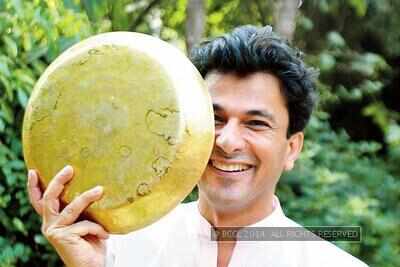
You are an avid fan of Gujarati food.
What is your fave pick? So far as food is concerned, I am a bhatakti aatma. Steve Jobs had said a very nice stay foolish, stay hungry. It is apt for me. I travelled to a lot of places in Gujarat with this hunger. I had gone to Kutch where I stayed at a police station because I was told they’d guide me to a nice view early in the morning. I’ve never seen such a lovely police station, the walls of which are designed with traditional Kutchi glass work. Add to it, what they offered me was even fabulous,bajre ki roti, geeli lassan ki chutney and lal mirch with a hint of salt. I loved the sukhadi prepared by a homemaker in Surat, it melted in my mouth.
Are you enjoying your stint as a mentor on the small screen? My work is like bhakti. One can quantify a home by its worth, but my work is intangible. I tell participants of MasterChef India, ‘don’t close your eyes while you go out from here, because there is opportunity waiting for you’. Now thanks to TV there is lot of awareness about ingredients and people are willing to experiment. There are a lot of career options for those with a knack of food.
What kind of struggles determined your career? The biggest struggle was that I didn’t know English when I went to the US in 2000. The best job I did was when I was paid $18 to make phulkas for students, sometimes making 100 phulkas at a stretch. I even bathed pets to fund my studies. I did all kinds of jobs — one of my colleagues at my kitchen would tell me, ‘chef, you have done everything but for two things – except for stealing money and going for prostitution,’ and I would laugh and tell him I came abroad to learn values and that’s what I have done. I never thought of begging because I believe in dignity of labour and I know name is not earned in a day’s time. I used to mop floors, do the dishes and I worked hard because I wanted to study. I saw things change in the US after 9/11 and I weathered a lot of adversities. I went bankrupt and closed three restaurants before establishing myself. But that hunger to bring a difference to the plate kept me going.
What should be done to popularize Indian food? We need to document our own food history. Outsiders can’t look beyond the buffaloes and the bullock cart. It is our responsibility to understand the significance of the ingredients and food culture of our country which is very diverse.
End of Article
FOLLOW US ON SOCIAL MEDIA






tv videos
Featured In TV

Popular Categories
Entertainment NewsBollywood NewsTollywood NewsKollywood NewsMollywood NewsMovie ReviewsLatest Hindi MoviesLatest Tamil MoviesMX PlayerParenting TipsHome RemediesWeight LossBeauty TipsParenting TipsHindi VideosHindi Video SongsBhojpuri Music VideosLatest Telugu MoviesBhojpuri Music VideoHindi TV News
Trending in Entertainment
Latest MoviesBollywood MoviesHollywood MoviesTamil Movies 2024Telugu Movies 2024Malayalam Movies 2024Kannada Movies 2024Marathi Movies 2024Bengali Movies 2024Top Rated Movies 2024Best Hindi MoviesBest English MoviesBest Telugu MoviesBest Tamil MoviesBest Malayalam MoviesBest Kannada MoviesBest Bengali MoviesUpcoming Hindi MoviesBest Movies Of All TimeBest Hindi Movies of All Time
Trending in Etimes
Horoscope TodayNumerology Predictions TodayAustria ElectionJoe BidenKamala HarrisPopulated Indian CitiesAlcohol Cancer RiskIsrael Beirut WarSunita WilliamsIsrael Hezbollah WarNepal FloodEric AdamsLarry HoganPeanut Butter Vs Almond ButterMagnesium DeficiencyRelationship TipsSean Diddy CombsAlzheimers DiseaseFunniest Wildlife Photos 2024
Trending in TV
Trending in Lifestyle
Trending in Regional
Movie Reviews
Binny And Family ReviewLove, Sitara ReviewWill & Harper ReviewWolfs ReviewYudhra ReviewJo Tera Hai Woh Mera Hai ReviewKahan Shuru Kahan Khatam ReviewHis Three Daughters ReviewNever Let Go ReviewDancing Village: The Curse Begins ReviewTransformers One ReviewFirst Love ReviewBerlin ReviewThe Buckingham Murders Review
Upcoming Hindi Movies
Upcoming Regional Movies
Latest News
The Power of Color: Zodiac Signs and Their Energetic HuesUP man kidnaps boy to arrange UPSC funds, held'For the next 10 years, we've got players who will make our country proud' says VVS Laxman on bench strengthSasikumar and Simran join hands for a feel-good, city-based entertainerAishwarya Rai Bachchan touches Nandamuri Balakrishna's feet as a sign of respect, the Telugu star blesses herCovid lockdown on earth led to dip in Moon's temperature: StudyQueen Camilla does not want King Charles to meet Prince Harry because...From A.R. Rahman to Satyajit Ray: Indian Oscar winners who made historyWatch: Jasprit Bumrah’s lethal inswinger shatters Mushfiqur Rahim’s off stumpManipur CM Biren accuses Kuki militants of abducting 2 Manipuri youthsPaul Heyman opens up on declining TNA offer after leaving WWEFPIs buy Rs 57k crore stocks in September, flows hit 9-month highDelhi PWD to restore roads by Diwali; CM Atishi inspects Okhla as part of govt's repair drive‘Nadikar’ OTT release: Reason why the Tovino Thomas starrer is on holdA killing & a tipping pointFun-filled inside pictures from Inaaya Naumi’s 7th birthday party with Kareena Kapoor, Saif Ali Khan, Taimur, Jeh, Soha, Kunal Kemmu and more family membersIndia to maintain LAC troop deployment as trust deficit with China remains22-year-old man held for possessing Rs 1.97 lakh in counterfeit currency at Lucknow railway station
Other Group Sites -
ETimes is an Entertainment, TV & Lifestyle industrys promotional website and carries advertorials and native advertising.