Uttar Pradesh set to see world's first conservation, breeding centre for Asian king vultures
Uttar Pradesh set to see world's first conservation, breeding centre for Asian king vultures
You're Reading

Uttar Pradesh set to see world's first conservation, breeding centre for Asian king vultures Ajmer-Delhi Vande Bharat Express starts, better connectivity to Rajasthan’s tourist hubs Delhi all set to host first ever Bougainvillea Flower Show from April 14 Third edition of World Jazz Festival to be held in Delhi in April


Synopsis
The primary objective behind setting up such a centre is to breed the king vultures in captivity and release them in the wild to maintain a sustainable population of the species. Reportedly, it’s a 15-year project which aims to ra … Read more
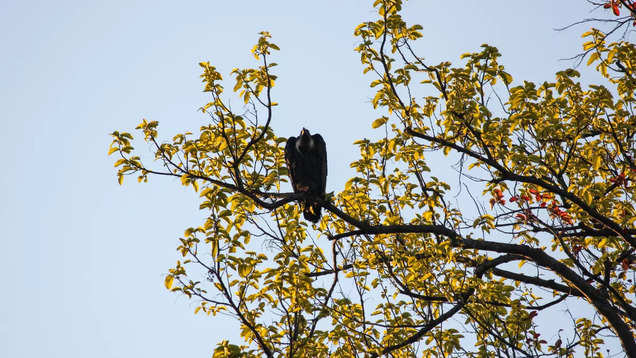
Asian king vulture is critically endangered and protected under the Wildlife Protection Act. The conservation centre is spread across 1.5 hectares in the Gorakhpur forest division, and is a state-of-the-art centre.


Reports have it that it has got an investment of around INR 15 crore, and features multiple aviaries for vultures, like holding and breeding aviaries, recovery and hospital aviaries, nursery aviaries for juveniles, and more. Then, there is also a food processing centre, where food for vultures will be checked and prepared before being fed to them, and there is also an incubation centre to rear eggs artificially to ensure 100% results are other features.
The primary objective behind setting up such a centre is to breed the king vultures in captivity and release them in the wild to maintain a sustainable population of the species. Reportedly, it’s a 15-year project which aims to raise at least 40 vultures.
The red-headed vulture (Sarcogyps calvus), also known as the Asian king vulture, is found primarily in northern India. In 2004, the species was listed as ‘near threatened’, whereas in 2007, it was listed as ‘critically endangered’ in the IUCN Red List. If reports are to go by, the widespread use of the NSAID diclofenac in veterinary medicine in India has been the cause of its population decline in recent years. As of now, veterinary usage of diclofenac has been banned in India.

closecomments

Be the first one to review.
We have sent you a verification email. To verify, just follow the link in the message
end of article

Visual Stories

10 pretty Indian villages to visit this year-end

8 castles in Germany straight out of a fairy-tale
8 tiger reserves every wildlife enthusiast should visit in India
10 animals that are easily spotted in Ranthambore National Park
How to prepare for a night safari in India?
9 rare animals to spot in the Western Ghats and where to find them



Trending Stories
IMD issues ‘Orange’ alert for heatwave across Central India: What travellers need to know before planning trips
What is Grocery Store Tourism, and why are travellers picking this over traditional sightseeing?
Air travel humour: Husband complains about stolen window seat on flight — air hostess uncovers hilarious truth
Secrets of Kedarnath Temple: 10 fascinating facts every traveller should know
5 India’s most stunning stepwells that feel straight out of a fantasy world



Comments (0)