North America’s first people may have arrived via ‘sea ice highway’ 24,000 years ago, suggests study
North America’s first people may have arrived via ‘sea ice highway’ 24,000 years ago, suggests study
You're Reading

North America’s first people may have arrived via ‘sea ice highway’ 24,000 years ago, suggests study Italy: Archaeologists unearth 2000-year-old Roman home with ‘unbelievable’ mosaic MP: ‘Stone balls’ worshipped by locals turn out to be 70-million-year-old dinosaur eggs! Good news for Hajj pilgrims: Saudi Arabia launches unified visa application platform


Synopsis
The recent research, presented at the American Geophysical Union Annual Meeting (AGU23) on December 15, puts forward the idea that sea ice may have served as a route for human migration thousands of years ago. Although the notion … Read more

Traditionally, the prevailing belief among scientists has been that approximately 13,000 years ago, stone age hunters travelled across a land bridge that connects eastern Siberia and western Alaska. Subsequently, they walked through an ice-free corridor that briefly opened between ice sheets during that period.


Read more: 2024 travel wishlist: 5 budget-friendly countries to visit from India
However, recent discoveries, such as human footprints in New Mexico dating back to 23,000 years ago, have reignited the debate by proposing an earlier human presence on the continent.
The recent research, presented at the American Geophysical Union Annual Meeting (AGU23) on December 15, puts forward the idea that sea ice may have served as a route for human migration thousands of years ago. Although the notion of early Americans travelling along the Pacific Coast is not new, the conditions were previously considered unfavourable due to strong currents caused by freshwater from melting glaciers in 2020.
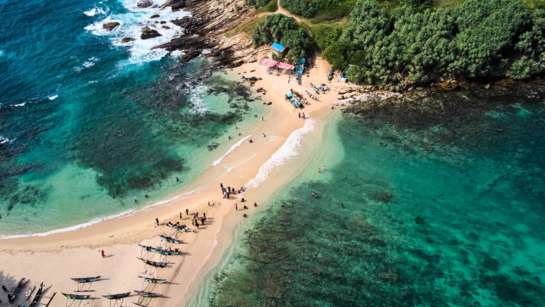
Beautiful countries that share border with India
Read more: India's most loved tourist destinations
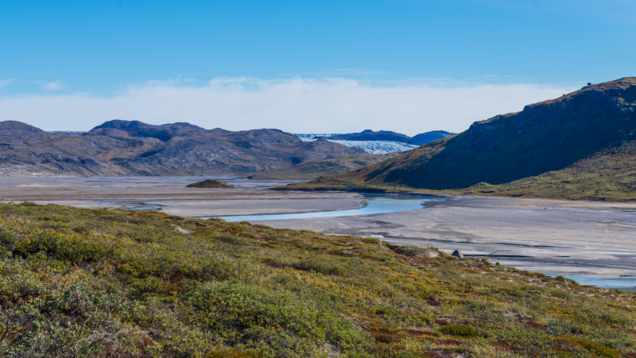
The findings revealed that ocean currents were twice as strong as they are today during the last glacial maximum around 20,000 years ago, making boat travel nearly impossible. Praetorius suggests that people adapted to the cold might have used sea ice as a platform instead of battling the harsh glacial currents. Drawing a parallel with Arctic travel, she proposed that early Americans could have employed a ‘sea ice highway’ to navigate, hunt marine mammals, and gradually make their way into North America.

closecomments

Be the first one to review.
We have sent you a verification email. To verify, just follow the link in the message
end of article

Visual Stories

10 pretty Indian villages to visit this year-end

8 castles in Germany straight out of a fairy-tale

8 tiger reserves every wildlife enthusiast should visit in India

10 animals that are easily spotted in Ranthambore National Park

How to prepare for a night safari in India?

9 rare animals to spot in the Western Ghats and where to find them



Trending Stories
10 underrated wildlife destinations in Asia that are less crowded than popular safari parks
India’s most scenic monsoon road trips: safety tips travellers should know
Visiting the “Cobra Capital of India”; what travellers need to know about the home of the world’s longest venomous snake
From family albums to ‘Instagram reels’: How social media completely changed the way we travel
IMD issues ‘Orange’ alert for heatwave across Central India: What travellers need to know before planning trips




Comments (0)