Chinnar Wildlife Sanctuary
Chinnar Wildlife Sanctuary
You're Reading


Synopsis
This sanctuary is located about 10 kilometers past Marayoor and 60 kilometers northeast of Munnar. It hosts variety of animals like deer, leopards, star tortoise and the endangered grizzled giant squirrel.
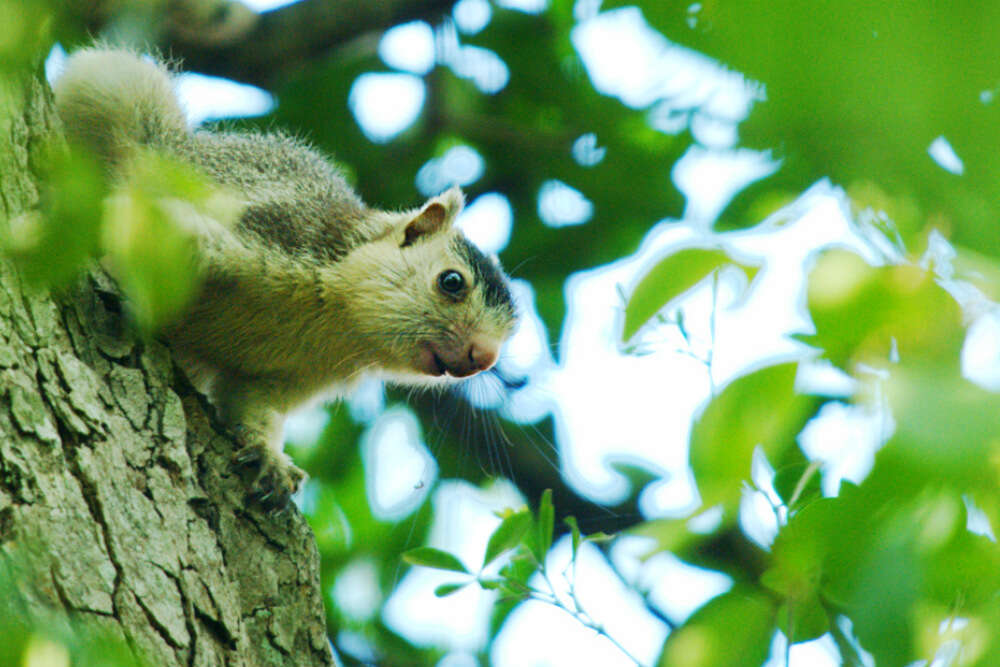
This sanctuary is located about 10 kilometres past Marayoor and 60 kilometres northeast of Munnar. It hosts variety of animals like deer, leopards, star tortoise and the endangered grizzled giant squirrel. With 225 species of birds, Chinnar is also rich in avian diversity. It is an abode of reptilian fauna and the richest in Kerala in terms of the number of species.
The widespread Sandalwood forest nearby is an additional attraction at Chinnar. This is also an ideal place for watching herds of gaur and elephants wandering in the forest. Dry deciduous forests, high sholas and some grasslands add to the diversity of the sanctuary. As one travels from Karimuthi to Chinnar, elephants, spotted deer, sambar, hanuman langur and even peacocks can be spotted on either side of the road.


This wildlife sanctuary in Munnar is a specially guarded areas situated in the rain shadow region in the eastern slope of Western Ghats, adjoining the state of Tamil Nadu. The region is known for its diverse ecology and affluent ethnic cultural heritage. It is a treasure trove of medicinal flora and supports a healthy population of a wide range of animal species, birds, insects and plants. For the ease of the visitors, Karimutty, houses an Interpretation Centre, two eco shops, one each at Chinnar check post and Aalampetty, an amenity centre, inspection bungalow, dormitory and cafeteria at Chinnar check post. The southern part of the sanctuary is covered by Eravikulam National park, and towards the north lies the Indira Gandhi wildlife sanctuary. The 90 square kilometre wide sanctuary is a unique thorny scrub forest with xerophyte species, and perhaps this special feature lists it among the 12 cared-for areas of Kerala.
The beautiful surroundings and lush greenery make this sanctuary a good place for trekking. Chinnar receives a huge amount of rainfall every year, and hence this area is fortunate to have a vast variety of deciduous forests, dry thorn scrub, riparian forest, shoals and grasslands. There is also a large sandalwood forest close to the sanctuary, which is one more gem studded in its crown.
About1000 species of flowering plants thrive in the Chinnar region. Nature lovers with a sharp eye can find 225 recorded species of birds and also the endangered species of a few other animals. Other important mammals that you can see here are elephant, tiger, leopard, guar, spotted deer, Nilgiri Tahr etc.
The Forest Department and the Eco-development Committees of the local tribal communities jointly organise a number of eco-tourism activities. The eco-tourism activities consist of trekking to the river and the cultural site, a nature trail to the watch tower, a trek to the Thoovanam falls, interpretation activities and medicinal garden, tree house at Chinnar, trekking and camping at Vasyappara.
Chinnar is located about 60 km away from Munnar. The nearest town is Marayur, which is located around 16 kilometres away from the wildlife sanctuary. Tourists can come to Marayur, known for its sandalwood, dolmens (ancient burial chambers) and local sharkara (yellow sugar) making factories.

closecomments

Be the first one to review.
We have sent you a verification email. To verify, just follow the link in the message
end of article
Next story
East Karbi Anglong Wildlife Sanctuary
Visual Stories
10 pretty Indian villages to visit this year-end

8 castles in Germany straight out of a fairy-tale
8 tiger reserves every wildlife enthusiast should visit in India
10 animals that are easily spotted in Ranthambore National Park
How to prepare for a night safari in India?

9 rare animals to spot in the Western Ghats and where to find them



Trending Stories
Top 10 most visited states of America and travellers should know
5 perfect ways travellers can spend summer holidays in Uttarakhand
Travel trivia: 10 countries famous for what they don’t have
This Indian state witnesses ‘Summer Snowfall’ without a single snowflake; here’s why travellers are obsessed
India's 5 most dangerous roads with stunning views; here’s what adventure seekers must know first




Comments (0)