Protecting the ‘Ghost of the Mountains’ in India's high Himalayas


 Credit: iStock Credit: iStock |
01
Protecting the ‘Ghost of the Mountains’ in India's high Himalayas
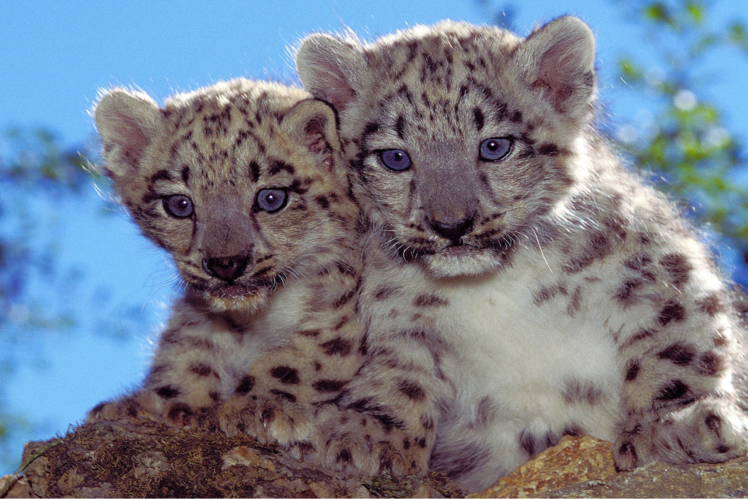
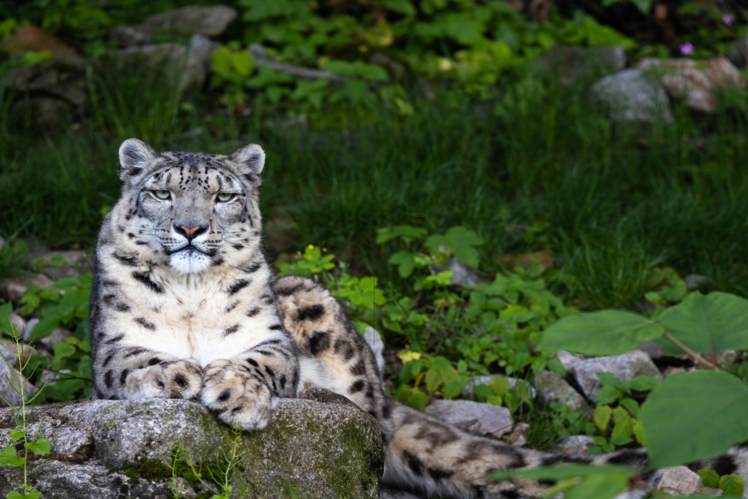
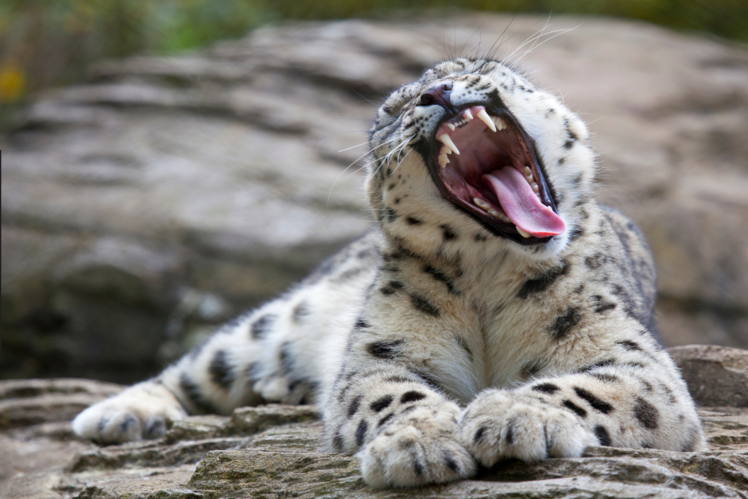
High in the rugged, snow-capped peaks of the Himalayas, a mysterious and elusive predator claims the treacherous terrain. Known as the ‘ghost of the mountains,’ the snow leopard is one of the most enigmatic and endangered big cats on the planet.
With their distinctive spotted coats and powerful builds, these apex predators have long captured the imagination of conservationists and nature enthusiasts alike. Yet their populations have plummeted in recent decades, threatened by poaching, retaliatory killings, and habitat loss.
In the remote Hemis National Park of northern India, however, a glimmer of hope is emerging in the fight to save these magnificent felines. As one of the last strongholds for snow leopards in the Himalayas, Hemis is at the forefront of innovative conservation efforts that are not only protecting the park's elusive big cats, but also engaging local communities as critical partners in safeguarding this imperilled species. Here are some of the key points.
 Credit: iStock Credit: iStock |
02
The elusive ghosts of the Himalayas
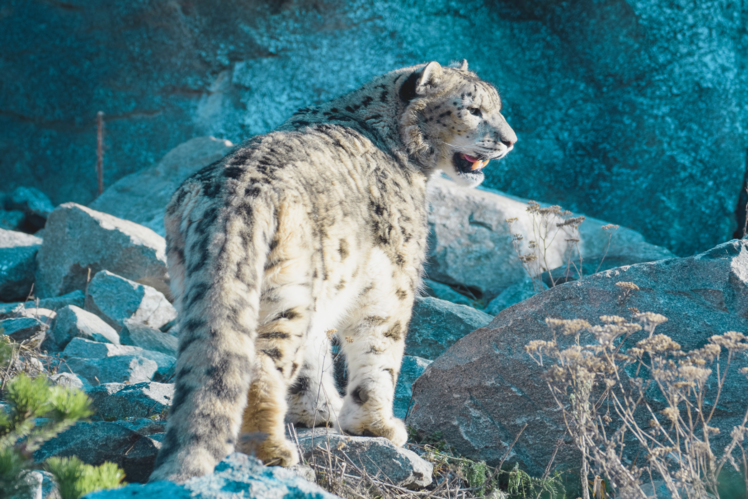
These majestic big cats are notoriously difficult to spot, as they blend seamlessly into the rocky, snow-capped terrain. If reports are to go by, their populations have plummeted in recent decades due to a variety of threats, including poaching, retaliatory killings by local herders, and habitat loss. But in Hemis National Park, efforts are being made to protect these elusive apex predators.
 Credit: iStock Credit: iStock |
03
Tracking the big cats
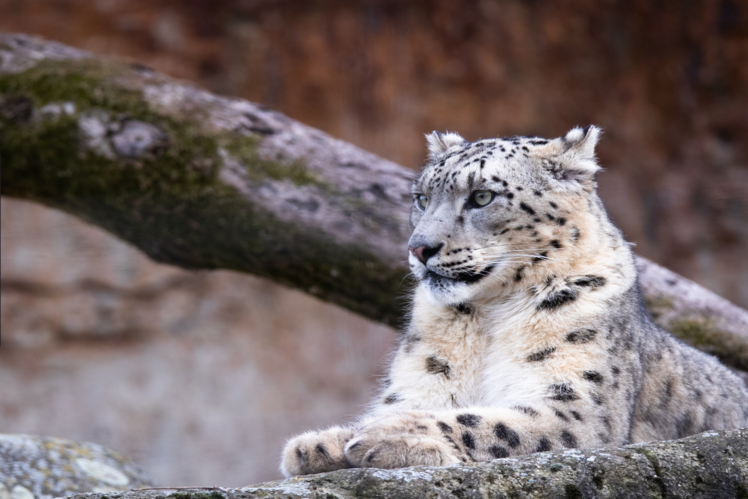
At the heart of Hemis' conservation efforts are a dedicated team of researchers and park rangers who brave the elements to monitor and protect the park's snow leopard population. Using advanced tracking technologies, including radio collars and camera traps, they meticulously document the movements, behaviours, and population dynamics of these enigmatic felines. This data is crucial not only for understanding the challenges facing snow leopards, but also for developing effective conservation strategies to ensure their long-term survival.
 Credit: iStock Credit: iStock |
04
Mitigating human-wildlife conflict
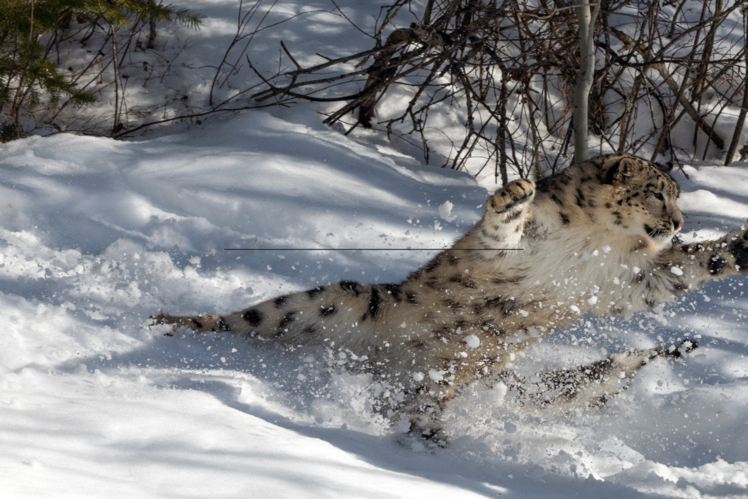
One of the biggest threats to snow leopards in Hemis National Park is the ongoing conflict between the cats and local herders. As the leopards' natural prey species decline, the big cats are increasingly forced to prey on livestock, leading to retaliatory killings by herders seeking to protect their livelihoods. To address this issue, park authorities have been working closely with nearby communities to implement innovative livestock protection measures, such as predator-proof corrals and early warning systems. These initiatives have helped to reduce livestock losses and build trust between park management and local stakeholders, paving the way for more collaborative conservation efforts.
 Credit: iStock Credit: iStock |
05
Engaging local communities
Beyond mitigating human-wildlife conflict, Hemis National Park has also made a concerted effort to engage local communities in its conservation work. This includes education and awareness programs that teach children and adults about the importance of snow leopard protection, as well as economic incentive schemes that provide alternative livelihood opportunities for herders, reducing their reliance on livestock and decreasing the potential for retaliatory killings. By empowering local people as stewards of their natural heritage, Hemis' conservation team is fostering a sense of collective ownership and responsibility for the park's endangered wildlife.
 Credit: iStock Credit: iStock |
06
A glimmer of hope
As the impacts of climate change continue to reshape the Himalayan landscape, the future of snow leopards in Hemis National Park remains uncertain. Retreating glaciers, shifting prey distributions, and increasing human pressures all pose significant threats to these elusive cats. However, the park's tireless conservation efforts, combined with a growing global awareness of the species' plight, offer a glimmer of hope. Through a sustained, multi-pronged approach that embraces cutting-edge science, community engagement, and innovative problem-solving, the custodians of Hemis National Park are working to ensure that the snow leopard's legacy will endure in the high Himalayas for generations to come.
Visual Stories
Right arrow
Travel
10 pretty Indian villages to visit this year-end

Travel
8 castles in Germany straight out of a fairy-tale

Travel
8 tiger reserves every wildlife enthusiast should visit in India

Travel
10 animals that are easily spotted in Ranthambore National Park
Travel
How to prepare for a night safari in India?

Travel
9 rare animals to spot in the Western Ghats and where to find them

Travel
10 must-visit Indian cities starting with the letter ‘V’

Travel
From tigers to caracals: Top destinations in Rajasthan to spot big cats

Travel
10 things to know before going on a tiger safari in Tadoba-Andheri Tiger Reserve

Travel
8 deadliest snakes that live in the forests of Amazon
Join Us On FacebookClose

closecomments

Be the first one to review.
We have sent you a verification email. To verify, just follow the link in the message
Trending Stories
Lakshadweep ends nearly 47-year old liquor ban in tourism push; what travellers need to know
From Lonavala to Amboli: 10 monsoon hill stations near Mumbai worth the drive
The ‘Ellora of the Himalayas’: This forgotten temple complex is Himachal's best-kept secret
Mumbai–Hyderabad bullet train project moves ahead: Travel time may reduce to around 3 hours
From India's newest discovery to iconic: 10 monkey species found in India, and forests where travellers can spot them
From heavy rain in Kerala to hailstorms in Delhi: Here’s what the latest IMD forecast is warning travellers in India
5 flower species found only in India and nowhere else on Earth, and where travellers can see them
Why are travellers and photographers heading to this ‘unusual’ waterfall in Maharashtra?
“Zabardasti ganda karne ki aadat hai logon ki…"; tourists turn Spiti’s Ramsar-listed Chandra Taal into a littering ground
6 places in India where you literally stand above the clouds



Comments (0)