National Museum of the Romanian Peasant
National Museum of the Romanian Peasant


Synopsis
Visiting the National Museum of the Romanian Peasant is a great way to overcome any prejudice and find out more about the traditions and cultural heritage of the countryside of Romania. The museum was founded in 1912 under a diffe … Read more
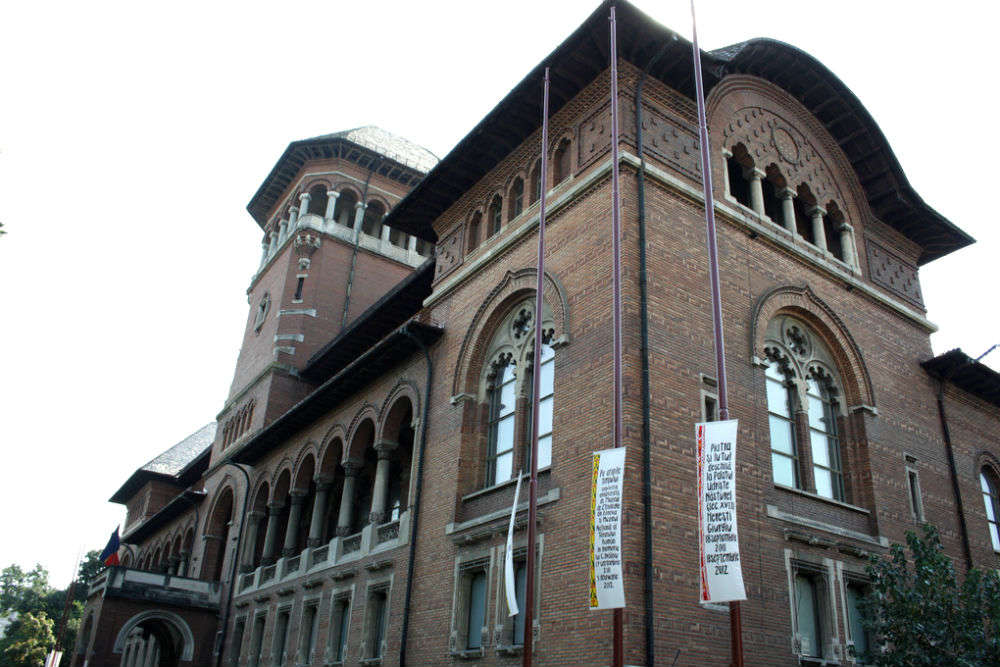 Visiting the National Museum of the Romanian Peasant is a great way to overcome any prejudice and find out more about the traditions and cultural heritage of the countryside of Romania. The museum was founded in 1912 under a different name, and totally transformed during the communist time. Though it reappeared with its original function a few weeks after the revolution ended in 1989. It is housed inside a brick building built in Brancovenesc style, which in itself is an attraction. It's not far from Piata Victoriei and easily reachable by metro. There are several exhibitions displaying photos, handcrafted pieces and memorabilia describing daily life as was experienced by local peasants. Great emphasis is given to folk art—there is a total of about 90,000 pieces on display, of which 18,000 are pottery.
It's also possible to learn more about a quite peculiar technique that Romania shares with other Eastern Europe countries—the habit of painting eggs for Easter using wax to create a pattern, the same concept used in Indonesia to paint Batik fabrics. There are also plenty of religious icons, traditional clothing, working tools and wall carpets on display. Indoors, visitors might be impressed to see a reconstruction of a church and a windmill. In the courtyard of the museum, local markets are held mostly during festivities and are accessible for free. Browsing through the stands, it's possible to find contemporary artworks, handicrafts, antiques and of course, plenty of food straight from the countryside.

closecomments

Be the first one to review.
We have sent you a verification email. To verify, just follow the link in the message
end of article
Next story
Village Museum
Visual Stories

10 pretty Indian villages to visit this year-end

8 castles in Germany straight out of a fairy-tale

8 tiger reserves every wildlife enthusiast should visit in India

10 animals that are easily spotted in Ranthambore National Park
How to prepare for a night safari in India?

9 rare animals to spot in the Western Ghats and where to find them


Trending Stories
10 items travellers are not allowed to carry in hand baggage (number 5 might surprise you)
10 underrated wildlife destinations in Asia that are less crowded than popular safari parks
India’s most scenic monsoon road trips: safety tips travellers should know
Visiting the “Cobra Capital of India”; what travellers need to know about the home of the world’s longest venomous snake
From family albums to ‘Instagram reels’: How social media completely changed the way we travel




Comments (0)