7 endangered animals to see in India before they disappear


 Credit: iStock Credit: iStock |
01
7 endangered animals to see in India before they disappear
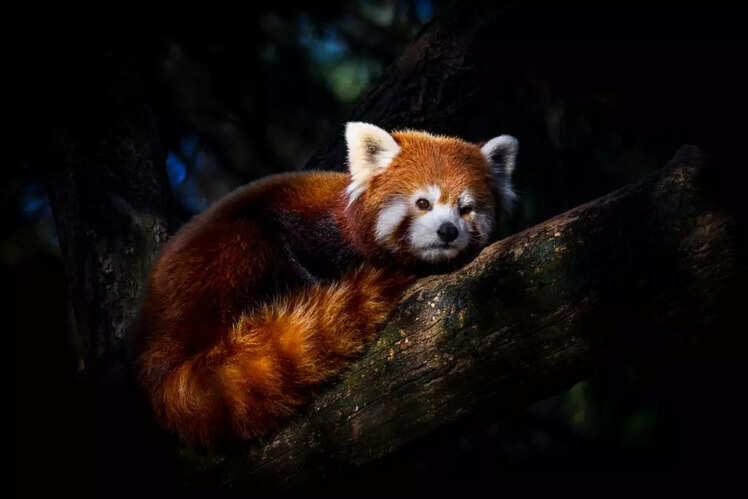
India, a land of diverse ecosystems and rich biodiversity, is home to numerous species that are on the brink of extinction. This vast array of wildlife attracts tourists and nature enthusiasts. However, as many of these animals now face grave threats, with their populations declining to perilously low numbers, you need to act soon. So, here are seven endangered species in India that you should see before they disappear.
 Credit: iStock Credit: iStock |
02
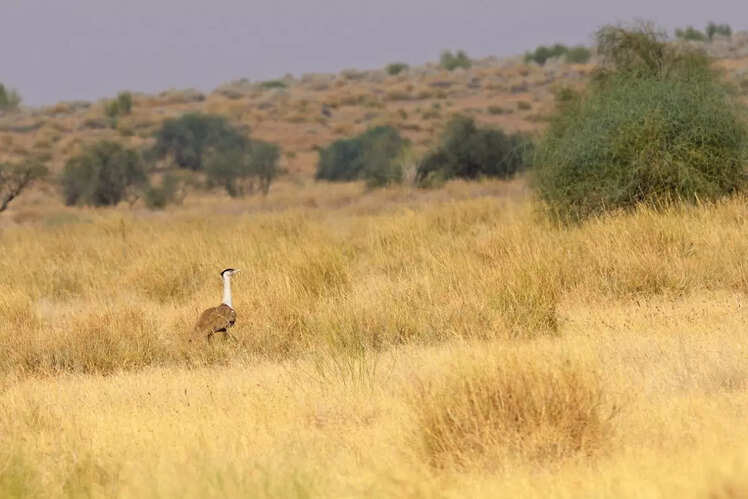
Great Indian Bustard
The Great Indian Bustard, native to India, is a large bird with males reaching up to 1.2 m in height and weighing up to 15 kg. Listed as critically endangered on the IUCN Red List, fewer than 250 remain. Primarily found in the grasslands and scrublands of Rajasthan, Gujarat, and Maharashtra, this ground-dwelling bird feeds on insects, lizards, and small mammals. It is also known for its impressive mating displays. However, habitat loss, hunting, and collisions with power lines threaten its survival. Conservation efforts include protected areas and specific measures to protect this magnificent bird.
 Credit: iStock Credit: iStock |
03
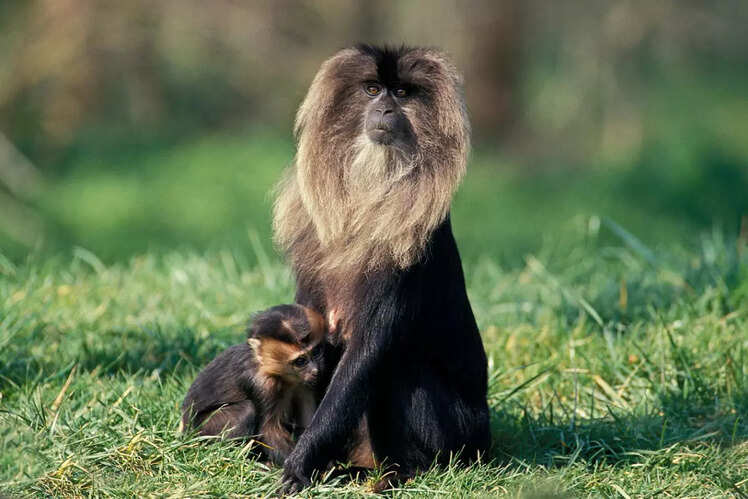
Lion-tailed Macaque
It is one of the world's most endangered primates, with an estimated 2,500 left. These medium-sized monkeys are characterized by a distinctive mane of long black hair and a tufted tail. As omnivores, their diet consists of fruits, insects, and small animals, and they live in small social groups. The primary threat to their survival is habitat loss caused by deforestation and agricultural expansion. Conservation efforts, including the establishment of protected areas and local community engagement, aim to boost their population and protect their habitat.
 Credit: iStock Credit: iStock |
04
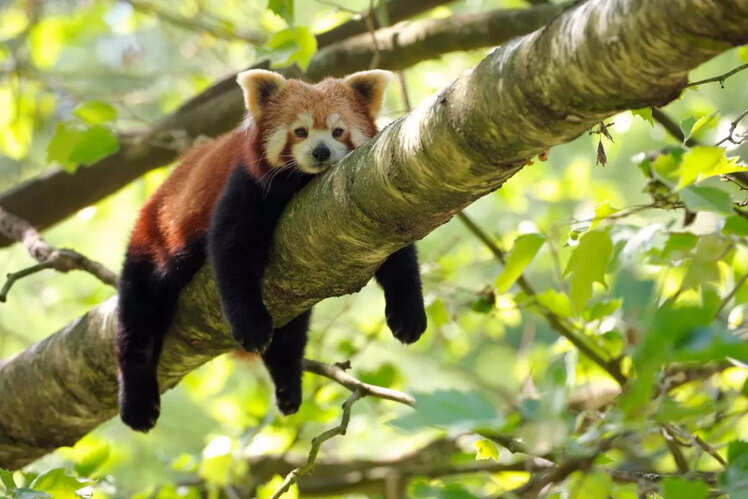
Red Panda
Also known as the lesser panda or red bear-cat, it’s a small arboreal mammal found in the eastern Himalayas and southwestern China. In India, they are found in Sikkim, Arunachal Pradesh, and parts of West Bengal. Red pandas inhabit temperate forests at elevations of 2,200 to 4,800 m and have thick fur to protect them from the cold. Their diet primarily consists of bamboo, fruit, berries, and insects. They face threats from habitat loss and poaching, but conservation efforts focus on habitat preservation and raising awareness.
 Credit: iStock Credit: iStock |
05
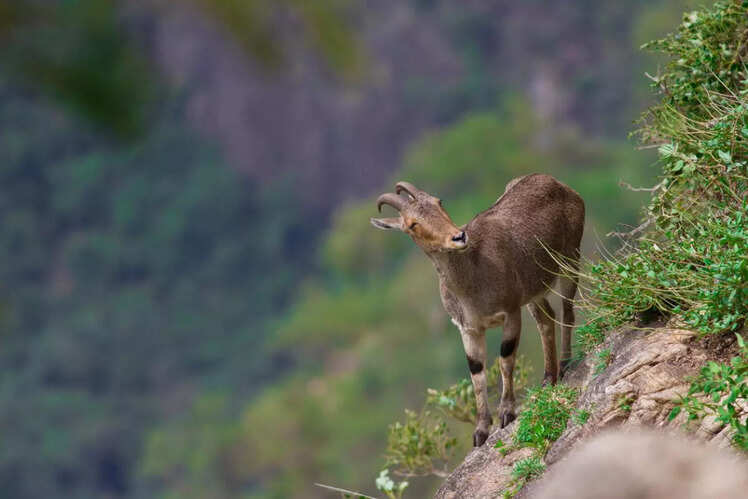
Nilgiri Tahr
Native to the Nilgiri Hills and the Western Ghats of southern India, these robust animals are characterised by a distinctive black stripe along their backs and long, curved horns. Adapted to steep, rocky terrain, they are adept climbers. Their survival is jeopardized by habitat loss and poaching. Protected areas such as Mudumalai National Park and Anamalai Tiger Reserve, along with conservation programs, are essential for their preservation.
 Credit: iStock Credit: iStock |
06
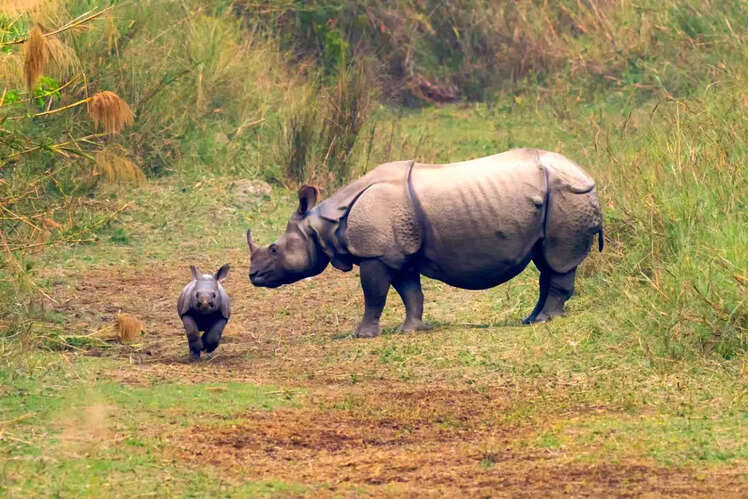
Indian Rhinoceros
Also known as one-horned rhinoceros, it’s critically endangered, and primarily found in Assam and West Bengal. Known for its single horn and armored skin, it faces threats from habitat loss, poaching, and human conflict. Protected under the Wildlife Protection Act of 1972, conservation efforts focus on expanding protected areas, promoting coexistence, and combating poaching.
 Credit: iStock Credit: iStock |
07
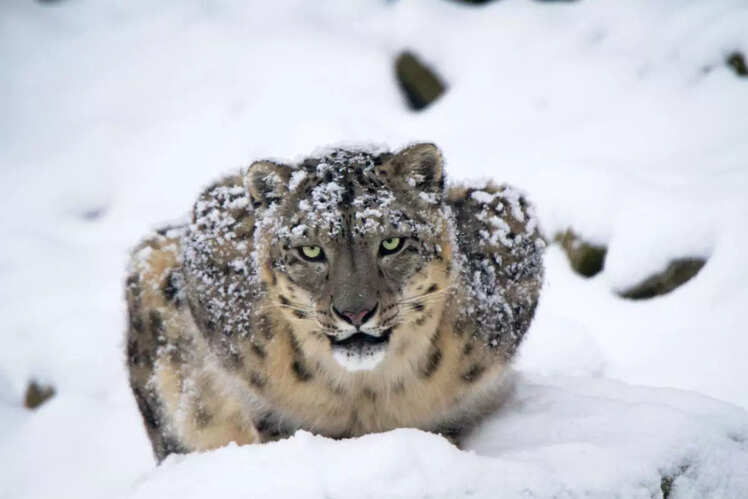
Snow Leopard
The Snow Leopard inhabits the mountainous regions of Central and South Asia, including India. Known for its elusive nature and ability to survive in harsh, cold climates, it faces threats from poaching and habitat loss. Conservation efforts include protecting its habitat and mitigating human-wildlife conflict.
 Credit: iStock Credit: iStock |
08
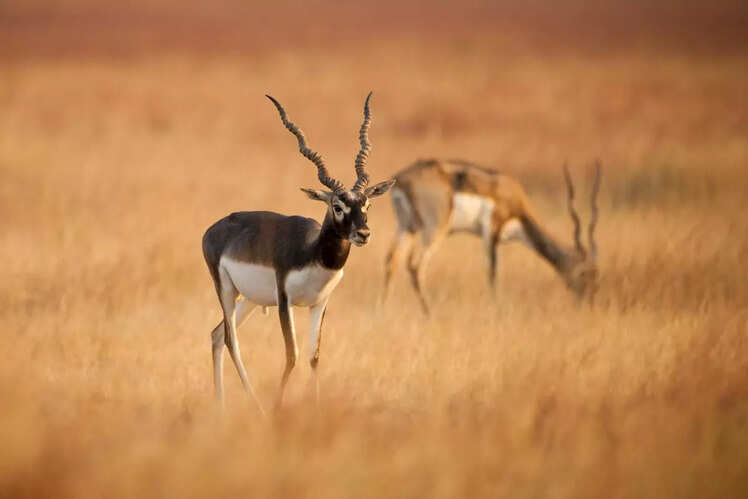
Blackbuck
The Blackbuck, or Indian antelope, has seen its population plummet from around 80,000 in 1947 to just 8,000 within two decades due to poaching and habitat loss. Despite conservation efforts, they still face threats from stray dogs, pesticides, and vehicular traffic. Efforts to protect their habitats and mitigate these threats are crucial for their survival.
Visual Stories
Right arrow
Travel
10 pretty Indian villages to visit this year-end

Travel
8 castles in Germany straight out of a fairy-tale
Travel
8 tiger reserves every wildlife enthusiast should visit in India
Travel
10 animals that are easily spotted in Ranthambore National Park
Travel
How to prepare for a night safari in India?

Travel
9 rare animals to spot in the Western Ghats and where to find them

Travel
10 must-visit Indian cities starting with the letter ‘V’
Travel
From tigers to caracals: Top destinations in Rajasthan to spot big cats
Travel
10 things to know before going on a tiger safari in Tadoba-Andheri Tiger Reserve
Travel
8 deadliest snakes that live in the forests of Amazon
Join Us On FacebookClose

closecomments

Be the first one to review.
We have sent you a verification email. To verify, just follow the link in the message
Trending Stories
6 incredible animals that are found only in India, and where tourists can see them
Russian traveller, now settled in India, shares 12 things that surprise her the most in this country
This remote village in Russia wakes up to “Hare Krishna”; how Indian travellers can reach here
7 countries where Indians can enjoy island vacations; all under INR 80,000!
48°C and counting: What India’s brutal heatwave is doing to summer travel plans
5 snake parks in India where travellers can spot rare and venomous species and how to reach them
All deer species in India, and national parks where visitors can spot them
Last chance! 5 tiger safaris to experience in India before the wildlife season ends in June
Travelling in India this week? IMD issues heavy rain and heatwave warnings across major tourist regions
Why travellers are paying more to feel fear, freedom and adrenaline; the rise of adventure tourism in India



Comments (0)