
- News
- lifestyle
- travel
- destinations
- This island nation is Africa’s best-kept secret—and hardly anyone is visiting
This island nation is Africa’s best-kept secret—and hardly anyone is visiting
This island nation is Africa’s best-kept secret—and hardly anyone is visiting
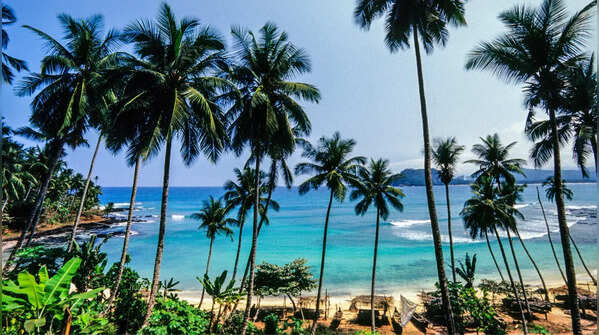
There are very few places in the world today that offer the sense of discovery that comes with travel. São Tomé and Principe, two volcanic islands located in the Gulf of Guinea, off the coast of Gabon, 250 km into the Atlantic Ocean, is one such place. With fewer than 40,000 visitors annually and large amounts of protected land, this is not only an unexplored destination but also one of the least traveled in the world. What makes this destination interesting is not only the fact that it is unexplored but also the sheer volume of experiences that can be packed in such a small area.

Praia Jalé Where sea turtles nest in the wild
Located in the southernmost tip of the island of São Tomé, Praia Jalé is not just another beach destination but also one of the most important nesting sites of sea turtles in the Gulf of Guinea. During the nesting season, which is between November and March, visitors can witness olive ridley and green sea turtles nesting in their natural habitat during night walks. There are no large resort hotels in the area; only eco-lodges powered by solar energy.
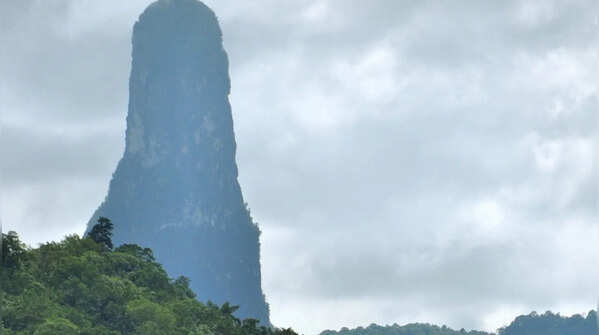
Pico Cão Grande – Africa’s most dramatic volcanic spire
Pico Cão Grande, rising dramatically to a height of around 663 metres above sea level, is one of the most dramatic volcanic features on the continent. Situated in the Obo National Park, this needle-like volcanic plug dominates the landscape for miles around, especially near the village of São João dos Angolares. Though climbing this volcano is for experienced and professional climbers only, even viewing this dramatic volcano up close, often bathed in mist, is a surreal experience.
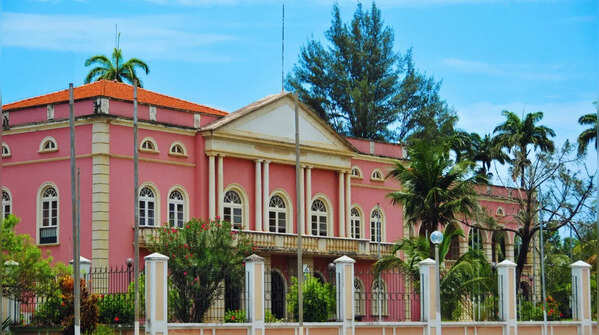
Roça Agostinho Neto – A glimpse into a forgotten colonial economy
São Tomé and Principe was once the world’s largest producer of cocoa in the early 20th century, and there is no place where this legacy of history is as apparent as in the abandoned colonial economy of Roça Agostinho Neto. Some of these abandoned roças, such as Roça São João, have even been restored as boutique hotels where visitors can taste and experience freshly grown organic cocoa and understand the complex history of the island.
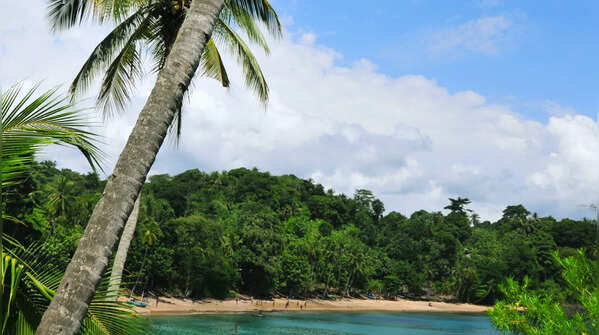
Obo National Park – One of Africa’s smallest but richest rainforests
Covering nearly 30 percent of the country, the Obo National Park is a biodiversity hotspot despite its small size. The area boasts over 140 bird species, including the endemic Sao Tome ibis and dwarf olive ibis, found nowhere else on the planet. The hiking trails are not commercially developed, and it is necessary to hire a local guide. The trails go through thick primary forest, waterfalls like Sao Nicolau, and volcanic ridges.
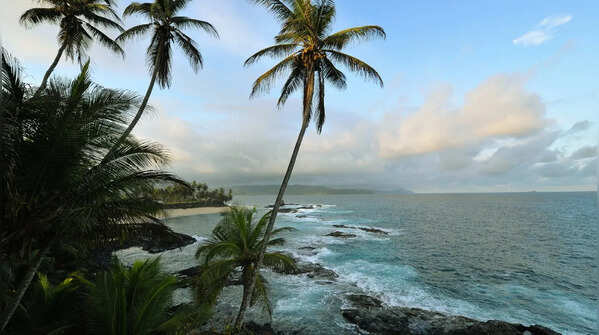
Ilhéu das Rolas – Standing on the Equator
A short boat ride from the southern coast, Ilhéu das Rolas, a small island, allows visitors to stand on the Equator. There’s a monument marking the location. Apart from that, there are serene beaches and a somewhat surreal feeling of being in a very important location. There are few locations around the world where this can be experienced.
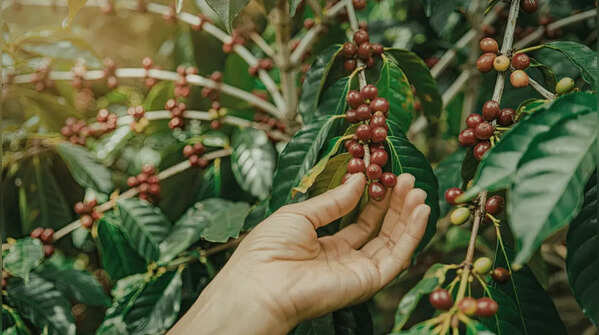
Coffee from Monte Café – Grown in volcanic soil
High up in the hills near Trindade, there is Monte Café, one of the oldest coffee plantations in Africa, dating back to 1858. Unusually, coffee is not produced on a mass scale as seen in most coffee-producing countries. One can take a stroll through the coffee plantations and taste coffee grown in the mineral-rich volcanic soil of the island.
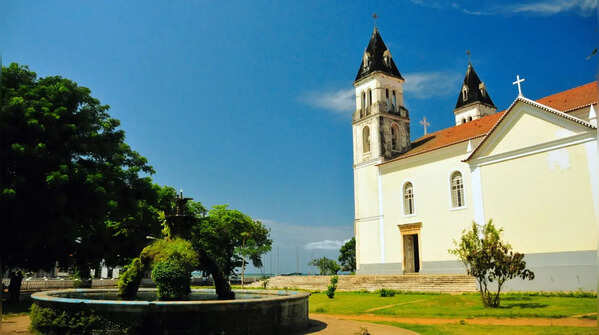
São Tomé City
São Tomé city, the capital, is not like any other capital city in Africa. It does not boast any skyscrapers or a busy traffic system. Instead, there are pastel-colored buildings from the Portuguese era, a promenade along the sea, and markets selling fresh seafood and tropical fruits like breadfruit and safou. The National Museum, housed in a colonial fort, helps give historical context to the history of slavery and the plantation economy, giving a deeper meaning to all that you see and experience.
Featured In lifestyle

MORE FROM ETIMES
life & style