
- News
- lifestyle
- travel
- adventures
- India’s most iconic treks for the summer extreme adventure
India’s most iconic treks for the summer extreme adventure
India’s most iconic treks for the summer extreme adventure
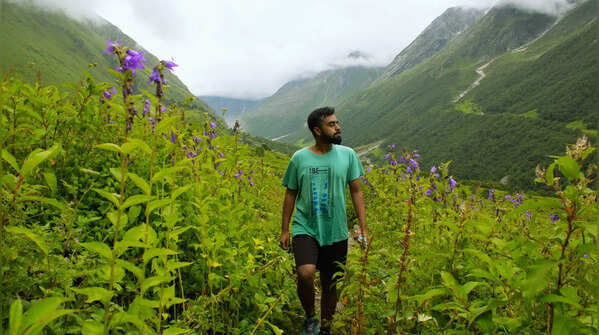
Summer is the season when the Himalayas really open up for trekking, offering high-altitude trails that are not accessible during the rest of the year. It is a great season for trekking in the Himalayas as the snow starts to melt and the weather becomes stable. There are many trails to choose from across Uttarakhand, Himachal Pradesh, Kashmir, and Sikkim. There are high-altitude passes and valley walks, making it a great season for experienced trekkers and those who want to experience the Himalayas beyond the popular hill stations. Here are some of the best and most iconic treks for a summer adventure.
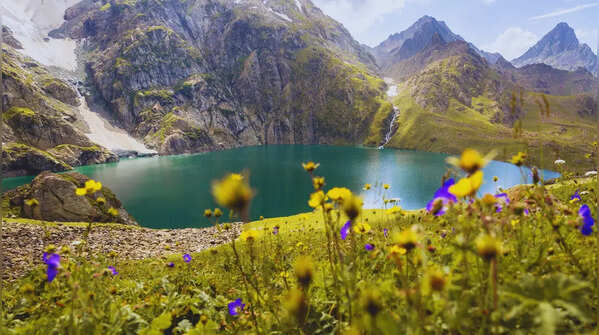
Kashmir Great Lakes Trek in Jammu and Kashmir
Altitude: 13,800–14,100 ft (approx)
Duration: 7–9 days
Distance: 70–75 km (approx)
Difficulty: Moderate to Difficult
Best Season: July to September
This is not a single highlight trek, it is a series of them. The trek passes through several alpine lakes such as Vishansar, Krishansar, Gadsar, Satsar, Gangbal, and Nundkol, each of them set against a variety of backdrops of meadows and ridges. This trek is physically demanding with long walking hours and high passes such as the Gadsar Pass, although few treks in the country match the visual reward.
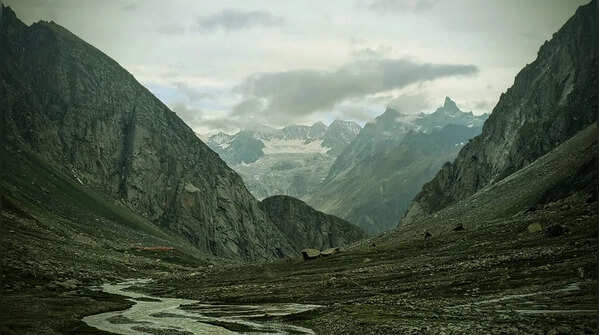
Hampta Pass Trek in Himachal Pradesh
Altitude: 14,100 ft (approx)
Duration: 4–5 days
Distance: 25–30 km (approx)
Difficulty: Moderate
Best Season: June to September
Hampta Pass is a trek defined by contrast. The trek starts in the lush green valleys of Kullu and ends in the stark and high-altitude desert of Lahaul. River crossings, snow patches near the pass, and short distances make the trek accessible, though not easy, especially for first-time high-altitude trekkers
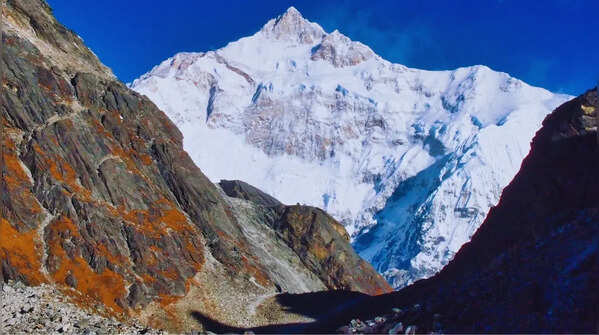
Goechala Trek in Sikkim
Altitude: 15,100 ft (approx)
Duration: 8–11 days
Distance: 90 km (approx)
Difficulty: Difficult
Best Season: April–June, September–November
The trek goes to viewpoints facing Kanchenjunga. This provides one of the closest views of an 8,000m peak in India. Most treks will reach Viewpoint 1, rather than the pass itself, but the experience is still strenuous.
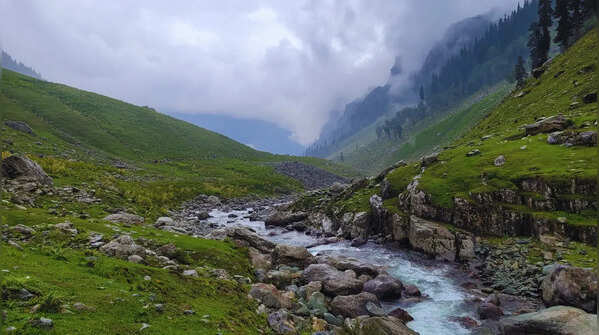
Tarsar Marsar Trek Jammu and Kashmir
Altitude: 13,500 ft (approx)
Duration: 6–7 days
Distance: 45–50 km (approx)
Difficulty: Moderate
Best Season: July to September
This trek, which focuses around the two connected lakes of Tarsar and Marsar, provides a more intimate experience of the alpine scenery of Kashmir. While not as rugged as the Great Lakes trek, the terrain is varied and interesting with rolling meadows, river valleys, and high-altitude campsites.
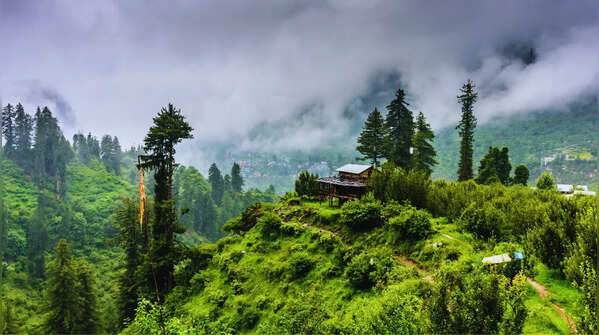
Pin Parvati Pass Trek in Himachal Pradesh
Altitude: 17,450 ft (approx)
Duration: 10–12 days
Distance: ~100–110 km (approx)
Difficulty: Very Difficult
Best Season: July to September
This is a full-scale expedition. The trek connects the Parvati Valley with Spiti over glaciers, moraine fields, and a high-altitude pass in extreme conditions. Such a trek is only for experienced trekkers who have strong endurance capabilities
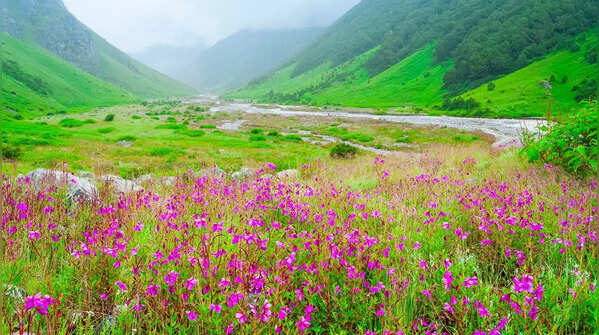
Valley of Flowers Trek in Uttarakhand
Altitude: 12,000 ft (approx)
Duration: 4–6 days
Distance: 35–40 km (approx, including return)
Difficulty: Easy to Moderate
Open Season: June to October
Peak Bloom: July to August
This trek is marked by time. The trek lies in the Valley of Flowers National Park, which remains closed during the winters and opens in June. The trek looks best during the monsoon season, when the flowers bloom in full color. Otherwise, the scenery is not quite so spectacular.
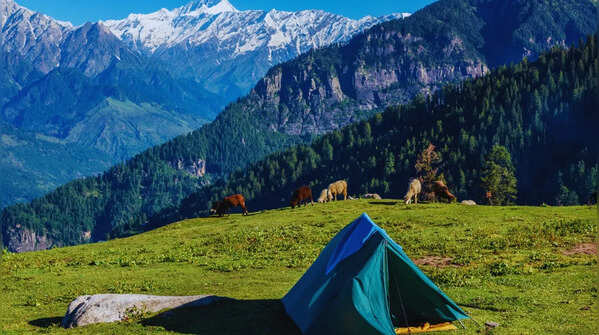
Buran Ghati Trek in Himachal Pradesh
Altitude: 15,000 ft (approx)
Duration: 7–8 days
Distance: 45–50 km (approx)
Difficulty: Moderate to Difficult
Best Season: May–June (snow), September–October
Few treks offer such a variety of landscapes—forests, meadows, ridges, and a steep descent from the pass. In early summer (May-June), there is a snow wall that requires a rope for support during the steep descent from the pass. Later in the season, the descent is not technical but remains physically draining
Featured In lifestyle

MORE FROM ETIMES
life & style