
From typhoons to blizzards: Strangest weather events in war history
From typhoons to blizzards: Strangest weather events in war history
War is commonly understood in terms of strategy, leadership, and military power. However, history is replete with examples where the best-laid military strategies were ruined by an element that cannot be negotiated with or defeated in the classical sense: the weather. Unlike the military, the weather cannot be negotiated with or outmanoeuvred; it simply shows up unannounced at the most inopportune times.
Throughout history, unusual weather conditions have impacted the course of warfare in significant ways. Storms have destroyed naval fleets before they were able to reach land, winters have ruined military advances, and weather conditions have altered the effectiveness of military strategies. The weather was not only instrumental in warfare; it actually changed the course of history in these battles. The following are some of the best-documented battles where the weather was instrumental in warfare.
The kamikaze typhoons that saved Japan – 1274 and 1281
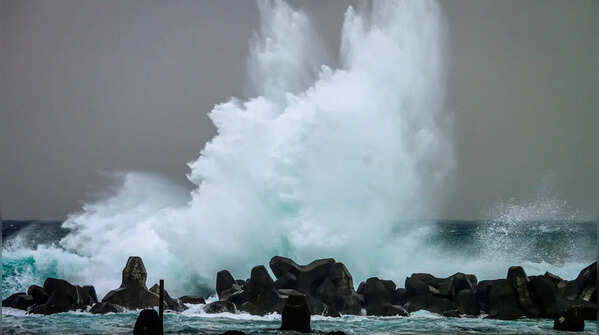
In the 13th century, the Mongol Empire under the leadership of Kublai Khan carried out two massive invasions of Japan. These were arguably the most extensive invasions carried out in the world at the time. The invasions were massive in terms of the number of ships and men. Unfortunately, the invasions were destroyed not by the Japanese army but by massive typhoons. The second invasion was especially disastrous in the year 1281. The Mongol ships were destroyed by the typhoons along the Japanese coast. The typhoons were later referred to as the Kamikaze, which means divine wind.
Napoleon’s retreat from Russia and the harsh winter – 1812
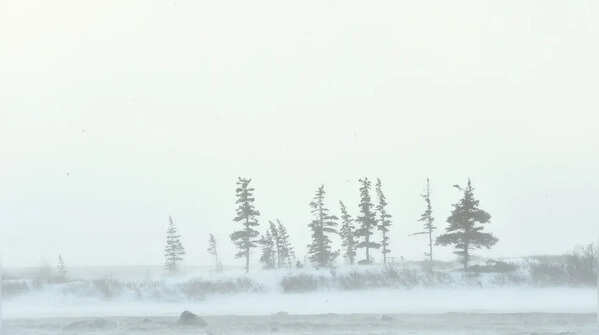
When Napoleon invaded Russia in the year 1812, he led an enormous army into the heart of the Russian Empire. Unfortunately, the invasion turned out to be one of the worst retreats in military history. The Russian army did not fight Napoleon in the conventional sense. Instead, they destroyed everything in their path as they retreated from Napoleon. Napoleon's army was thus overstretched. When the harsh winter arrived in the region, the situation worsened. The extreme weather conditions also meant that the soldiers suffered from frostbite. The horses were especially affected. The guns were also not functioning because of the extreme cold.
General Winter on the eastern front – 1941–42
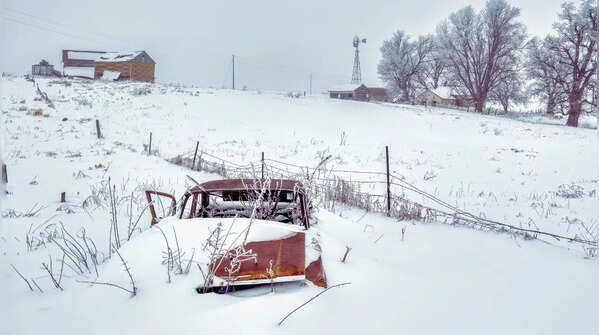
During World War II, Germany began an invasion of the Soviet Union, called Operation Barbarossa. This invasion began successfully but eventually slowed down as the German army moved further into the Soviet Union. In 1941, one of the coldest winters in decades began. German soldiers were not equipped for winter weather. As a result, they faced difficulties in the extreme cold. Their equipment froze, and they even suffered from frostbite. In addition, the Soviet army, accustomed to cold weather, began counterattacks.

The fog and clouds that disrupted the Blitz – 1940-41
During the Blitz, Germany carried out extensive bombing raids in British cities, especially London. This was a major strategy in the war. For the German military, weather played an important role in these raids. During this period, thick fog and clouds frequently occurred in Britain. This weather made it difficult for German bombers to navigate and locate their targets. As a result, they were not able to fulfill their objectives. Although radar played an important role in helping Britain survive the Blitz, weather played a secondary role in disrupting German military campaigns.
Sandstorms that disrupted the Gulf War – 1991
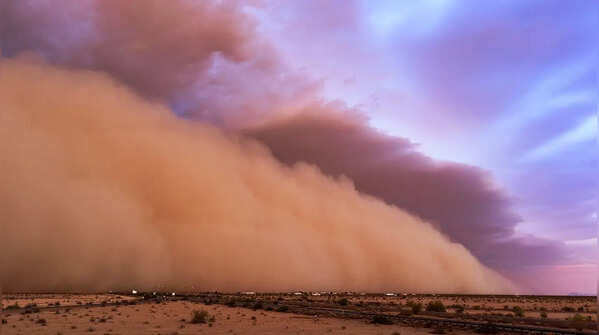
The Gulf War is often linked to advanced military technologies and precise combat. Nevertheless, there were challenges in the desert environment. Sandstorms, known as shamal, were massive storms that occurred during military operations. The storms significantly reduced visibility, impacting both land and air operations. Sand particles entered military equipment, clogging them and interfering with navigation. Aircraft operations were delayed, and coordination was difficult for ground forces.
The weather gamble of D-Day – 1944
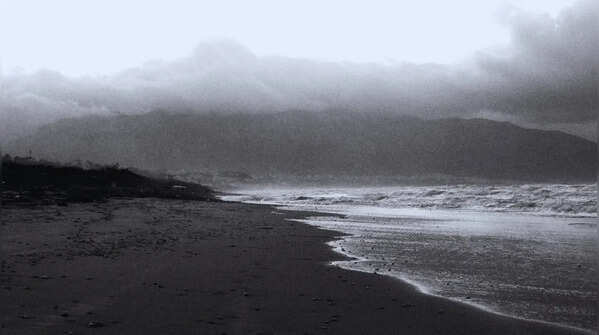
The Normandy Landings was one of the most meticulously planned military operations in history. The weather was instrumental in deciding when to execute this operation. The operation was planned for early June 1944, but it was delayed due to bad weather over the English Channel. Meteorologists forecasted favorable weather for 24 hours on June 6, 1944, and Allied Forces decided to execute the operation. The weather was not favorable, but it was better than what it was on the preceding days. The weather was rough, and there was limited visibility.
Featured In lifestyle

