
- News
- lifestyle
- travel
- things-to-do
- Earth Day 2026: 10 countries leading in renewable energy, and why travellers should visit them once
Earth Day 2026: 10 countries leading in renewable energy, and why travellers should visit them once
Earth Day 2026: 10 countries leading in renewable energy, and why travellers should visit them once
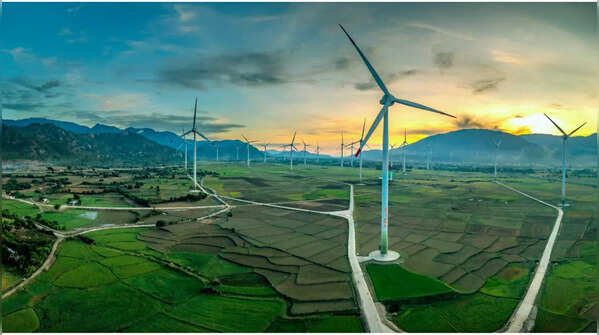
The Earth Day 2026 theme 'Our Power, Our Planet' makes clean energy and sustainability, along with the shared goal of building a better future through them, the centerpieces of the Earth Day observance. As per the ranking by World Population Review, these 10 countries are doing incredible work in terms of total renewable energy generation (2026). According to the report, China takes the lead, followed by the United States and Brazil among others. These countries have become instrumental in realizing the idea behind Earth Day 2026 through their renewable energy initiatives.

China
China is leading the pack with an overwhelming advantage with a renewable energy production total of 3,399 TWh. It has managed to create massive solar and wind energy capacities while continuing to dominate in terms of hydropower. The nation also plays a pivotal role in the global solar panels, batteries, and electric vehicles supply chains.
United States
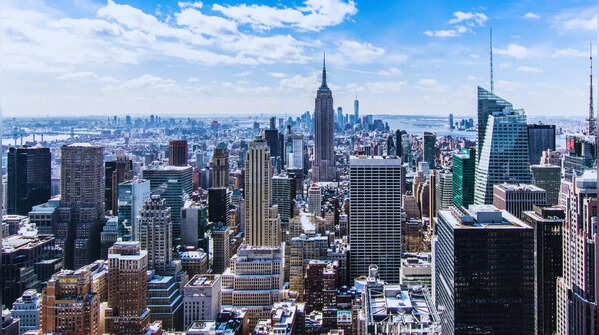
Second place is taken by the United States with 1,069 TWh of renewable production. Wind, solar, and hydroelectric energy make up the main components of the American energy system, with the leading role going to such states as Texas and California. Furthermore, the United States is also one of the countries where innovations in terms of battery storage, energy grid development, and renewable technology are being implemented actively.
Brazil
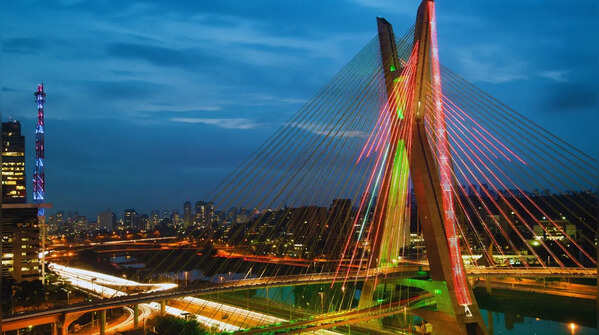
Third is Brazil, which produces 651 TWh using mainly hydropower. Hydropower has been historically used as the main source of energy production, which is why Brazil relies heavily on renewables. Recently, there was an expansion in wind and solar energy in Brazil's northeast.

Canada
Fourth is Canada with 409 TWh. In terms of Canada's renewables, it largely stems from the abundant hydropower potential. Large river networks, hydroelectric plants, and the contribution of hydro-abundant provinces, such as Quebec or British Columbia, make Canada one of the leaders in clean energy usage.

India
India ranks fifth at 397 TWh. India has established itself as a powerhouse of solar energy in the world while increasing investments in both solar and wind projects. This has resulted from large solar parks and initiatives for setting up solar power plants on rooftops among other national commitments. India is an essential player that cannot be ignored in relation to the topic under discussion in the coming years, specifically during Earth Day in 2026.

Germany
In sixth position is Germany with 284 TWh of consumption. Germany has been an important pioneer when it comes to renewables in Europe because of its Energiewende strategy, which was adopted several years ago. This initiative helped Germany develop renewable technologies faster than many other countries.

Japan
In seventh position, we find Japan with 233 TWh of production. After the Fukushima disaster occurred in 2011, Japan increased efforts to ensure that renewable energies are utilized. This is because Japan does not have large amounts of natural energy sources compared to other countries.

Russia
Russia ranks at eighth position with 219 TWh. Hydroelectricity constitutes a substantial portion of renewable generation in Russia due to its geographic size and rivers. While associated mostly with fossil fuels, hydroelectricity generation places Russia among the biggest generators of renewables in terms of total generation capacity.
Turkey
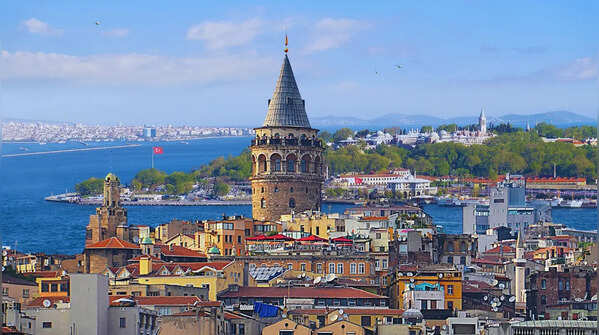
Turkey ranks ninth in renewable generation, producing 162 TWh annually. The country has made major progress in generating energy through hydropower, geothermal, and wind energy. Turkey is a remarkable producer in geothermal energy generation and ranks among the biggest producers globally.
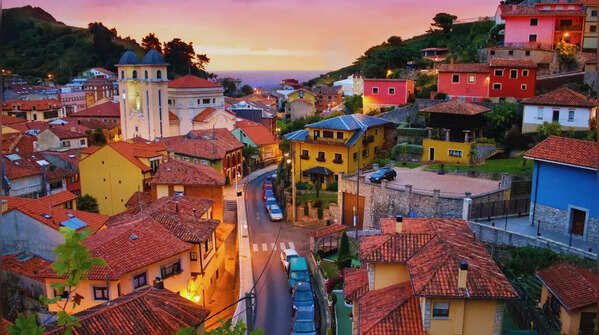
Spain
Ranking tenth, Spain produces 159 TWh annually through its renewable energy resources. Spain enjoys the reputation of being a leader in renewable energy in Europe, especially when it comes to wind and solar power.
Featured In lifestyle

MORE FROM ETIMES
life & style