
- News
- lifestyle
- travel
- destinations
- 10 iconic animals from the Amazon Rainforest
10 iconic animals from the Amazon Rainforest
10 iconic animals from the Amazon Rainforest
The Amazon Rainforest is one of the most extraordinary ecosystems on Earth, a vast green world stretching across multiple South American countries and home to an astonishing variety of life. Its rivers, swamps, forest floor, and towering canopy shelter creatures that have evolved in remarkable ways to survive in dense vegetation, humid conditions, and fierce competition. Some are powerful hunters, others masters of camouflage, while many are instantly recognizable because of their colors, size, or unusual behavior.
From legendary predators to playful river mammals and dazzling birds, these animals have become symbols of the Amazon’s wild spirit. Here are 10 iconic species that truly define the rainforest.
Jaguar
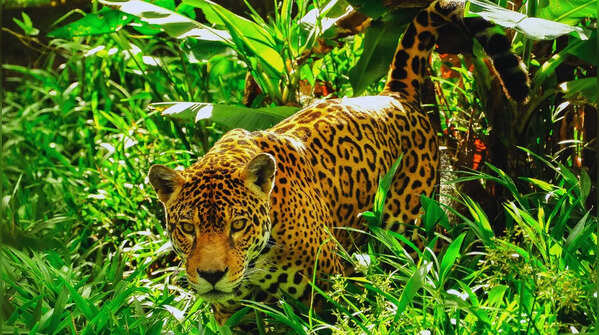
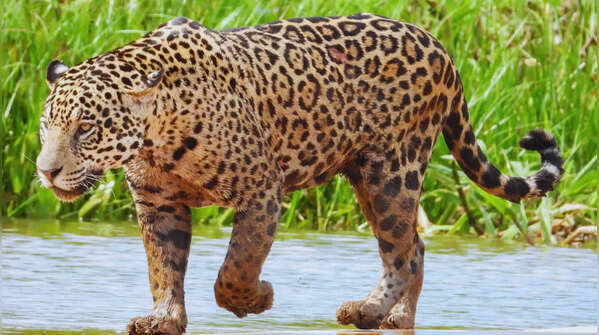
The jaguar is considered the ultimate predator of the Amazon Rainforest and one of the largest and strongest cats on the planet. Unlike cheetahs and lions that are known for their speed and social behavior, respectively, the jaguar relies on stealth and strength, along with a bite force capable of cracking the shells of turtles and skulls. It typically hunts by sneaking up on its prey in the forest until it is within close range of attacking the animal with lightning-fast speeds. Additionally, it is a very skilled swimmer that often feeds on fish, caimans, capybaras, and deer from near riverbanks. In several indigenous cultures, the jaguar holds significant spiritual importance as a symbol of power and mystery.
Green anaconda
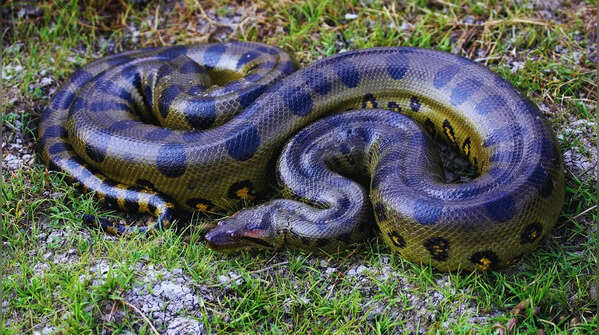
One of the most mythical creatures found in the Amazon Rainforest is the green anaconda. As one of the largest and heaviest snakes ever discovered, the green anaconda resides in swamps, marshes, and Amazonian rivers where it hides most of its body under water. Unlike other predatory snakes that chase their prey, the green anaconda patiently waits until the moment is right before delivering a swift attack. Despite its fearsome reputation in popular culture, the green anaconda usually avoids humans and plays an important role in maintaining balance in wetland ecosystems.
Harpy eagle
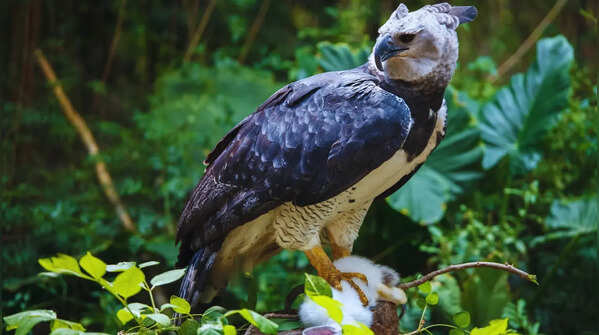
The harpy eagle is among the strongest eagles in the world, with dominance over the canopy region of the Amazonian forests. It sports an impressive crested head, sharp eyes, and formidable talons the size of the claws of a grizzly bear, allowing it to hunt mammals such as monkeys and sloths from treetops. Due to its need for extensive territories and old-growth trees for nesting, the harpy eagle is also one of the most critical indicators of rainforest ecology. Seeing one in nature is indeed a memorable experience
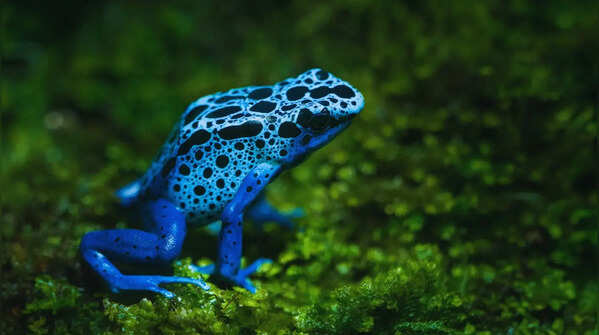
Poison dart frog
Poison dart frogs are some of the smallest animals in the Amazon Rainforest, yet, at the same time, some of the most unique ones. The colours on these frogs, like electric blue, yellow, orange, or red, act as a deterrent for predators to warn them about potential toxicity. Some species produce skin secretions potent enough to harm attackers. Poison dart frogs are diurnal and can often be seen hopping around the leaf litter or climbing small plants.

Pink river dolphin
One mammal that stands out from the rest within the Amazon River ecosystem is the pink river dolphin, otherwise referred to as boto. These creatures differ from their relatives in that they only live within freshwater rivers and flooded forests and not in the sea. The adults, especially the male ones, have a pinkish skin coloration that tends to deepen with age. These clever and curious creatures rely on their ability to use echolocation for navigation in search of prey amid the muddy waters and forested underwater plants.
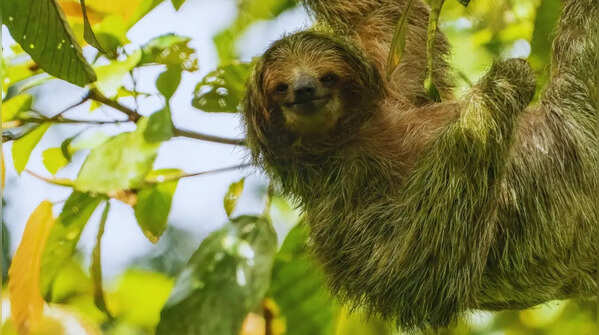
Three-toed sloth
If there was ever an animal that embodied rainforests, then it would definitely be the three-toed sloth. Sloths are renowned for being slow-moving animals that have adapted a mechanism of conserving energy because their diet is composed mostly of leaves that do not offer much nutrition. These creatures spend a great deal of time hanging on the tree branches upside down using their curved claws.
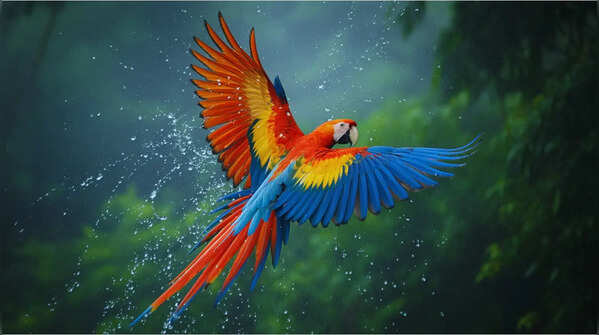
Scarlet macaw
One of the amazing species you would not fail to notice in the Amazon rainforest due to its bright red color adorned with blue and yellow wings is the scarlet macaw. These colorful parrots have large bodies and long tails and can be seen flying in pairs or families from one treetop to another as they communicate loudly in the air.
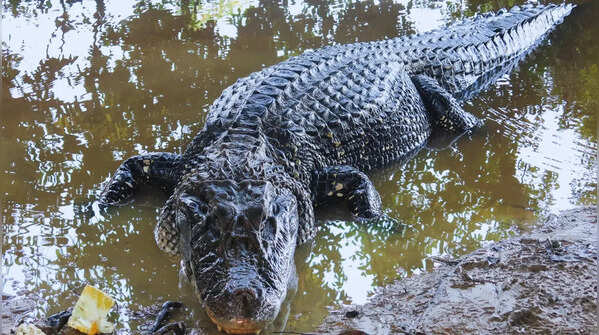
Black caiman
Among the biggest and deadliest reptiles found in the Amazon rainforest is the black caiman. Like crocodiles and alligators, the black caiman is known to live in waters and hunt for prey at the banks. As a top predator of the freshwater aquatic ecosystem, the black caiman preys on various prey including fish, birds, turtles, and mammals. Once threatened with extinction due to hunting, it is now back in some areas of the Amazonian rainforests.
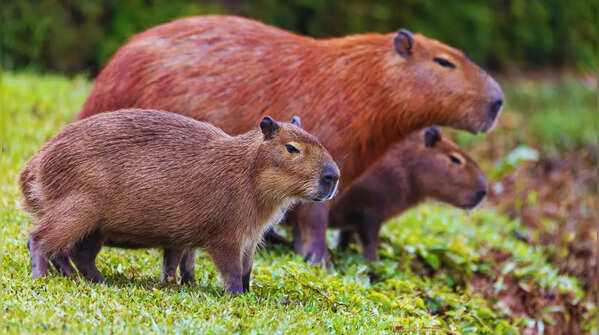
Capybara
The capybara is the largest rodent in the world and among the cutest animals of the Amazon. Known as docile, highly social, and very connected to water, the capybara lives in groups in riverbanks, wetlands, or close to lakes. They have great swimming skills and can remain submerged for several minutes to escape their predators. Their main source of food is grass and plants from water environments. Being the prey of jaguar, caiman, and anaconda, capybaras have a great importance in the ecosystem.
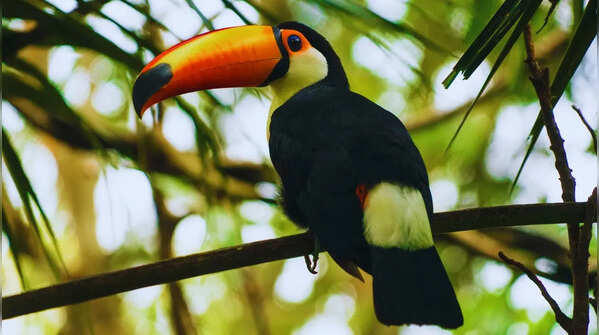
Toucan
The toucan is easily recognizable as one of the most distinctive birds of the rainforest due to its big and colorful beak. Despite being so large, the beak is surprisingly light and is used by the bird to access fruits in small branches, and even communicate visually. Its diet mainly comprises fruits, although sometimes it may consume insects, eggs, and small animals.
Featured In lifestyle

MORE FROM ETIMES
life & style