
- News
- lifestyle
- travel
- destinations
- 10 deadliest snakes in the world: One drop of venom can kill hundreds; what travellers should know
10 deadliest snakes in the world: One drop of venom can kill hundreds; what travellers should know
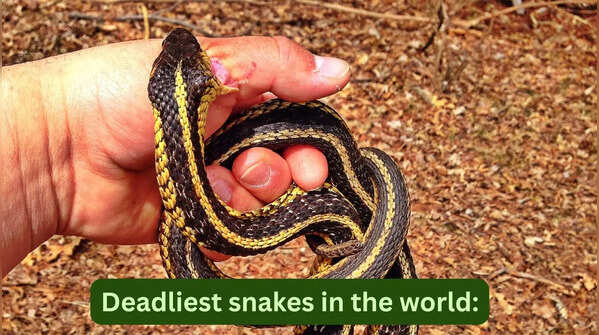
10 deadliest snakes in the world: One drop of venom can kill hundreds; what travellers should know
Snakes are probably one of the most dangerous animals on the planet. According to the World Health Organisation, “An estimated 5.4 million people worldwide are bitten by snakes each year with 1.8 to 2.7 million cases of envenomings.” From dense rainforests to agricultural land and deserts, most deadly and venomous snakes live in some of the world’s most beautiful travel destinations. However, snake encounters are rare for tourists. But as a traveller, it is important to know these species while travelling in snake-prone zones, especially during hikes, safaris and jungle treks.
On this note, let’s have a look at 10 deadliest snakes in the world:

Inland Taipan (Australia)
Widely recognised as the most venomous snake species in the world, the Inland Taipan is commonly found in remote parts of central Australia. When it comes to LD50 (Lethal Dose, 50%), its venom is powerful enough to kill around 100 people or 100,000 rats in one single bite! Fortunately, the snake is extremely shy and rarely comes out.
What travellers should know
Travellers planning a trip to remote outback regions, it is suggested to go with local guides and stay on marked trails.
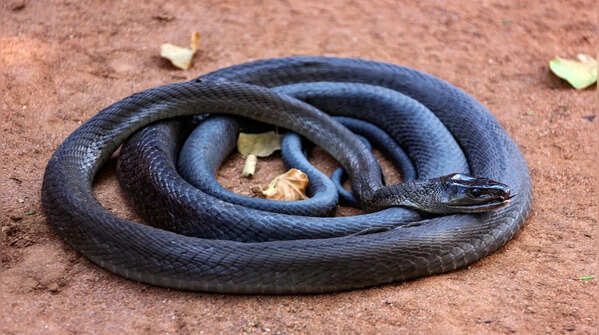
Black Mamba (Africa)
The Black Mamba is counted among the most feared snakes in the world! It is like the ‘Hulk’ of all snakes, always angry and ready to strike. Found in Africa, the snake is aggressive, superfast, and possesses potent neurotoxic venom. These blue-coloured snakes can grow up to 3 metres and strike multiple times.
What travellers should know
South Africa is known for its safari adventures. So travellers should be aware of their surroundings, especially when exploring the jungles of Kenya and Zimbabwe. Avoid walking through tall grass and always be with your guide.
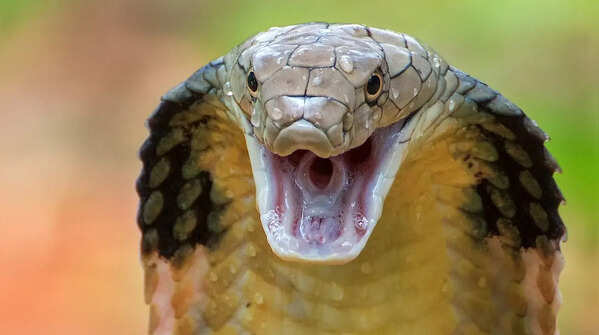
King Cobra (South and Southeast Asia)
The King Cobra is known as the longest venomous snake in the world. It can grow up to 5 metres in length. The venom attacks the nervous system. If not treated immediately, it could turn fatal.
What travellers should know
King cobras are commonly found in forests across India, Thailand and Indonesia. Though they avoid entering human settlements, trekkers should stay alert in dense jungle regions.

Saw-Scaled Viper (Middle East, Africa and Asia)
Then comes the saw-scaled viper which is said to be responsible for more human deaths than any other snake because it frequently lives close to humans. Don’t trust its small size, the snake is highly aggressive and dangerous.
What travellers should knowSaw-Scaled Viper sightings are common in rural parts of India and Pakistan and parts of the Middle East as well. Wear proper footwear and keep yourself covered while camping or walking outdoors at night.
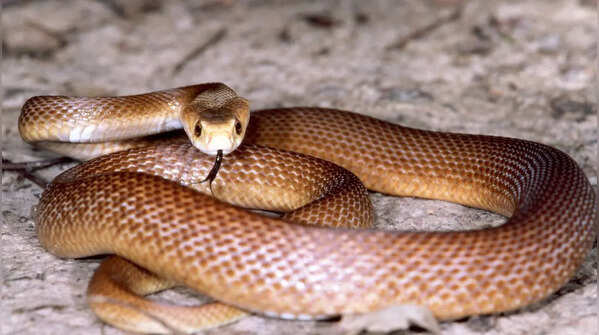
Coastal Taipan (Australia and Papua New Guinea)
The Coastal Taipan is one of the world’s fastest and most venomous snakes living in coastal forests and sugarcane fields Australia and Papua New Guinea.
What travellers should know
Travellers exploring the tropical jungles of Australia should avoid entering tall vegetation as might be the hiding ground for this enormous snake. Also, do not attempt to take pictures of the snake if you spot one from a close range.

Eastern Brown Snake (Australia)
Most snakebite deaths in Australia happen because of the Eastern Brown Snake which is a fast-moving slithering animal. The snake is generally found in farms.
What travellers should know
It is common to encounter this snake in gardens, hiking trails and campsites in Australia. If spotted, don’t panic. Back away slowly and avoid sudden movements.
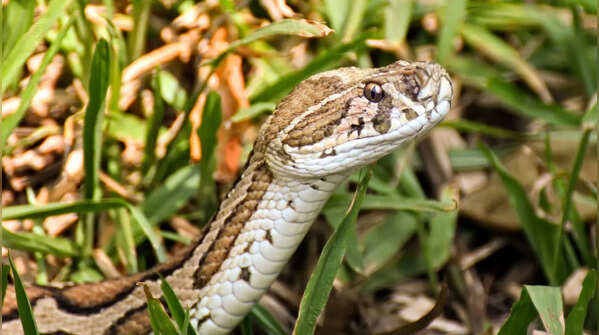
Russell’s Viper (South Asia)
The Russell’s Viper is one of the “Big Four” snakes of India. The snake alone is responsible for the majority of snakebite deaths in India. Its venom causes internal bleeding and kidney failure causing death.
What travellers should know
Travellers should avoid venturing into grasslands and fields and villages after sunset.
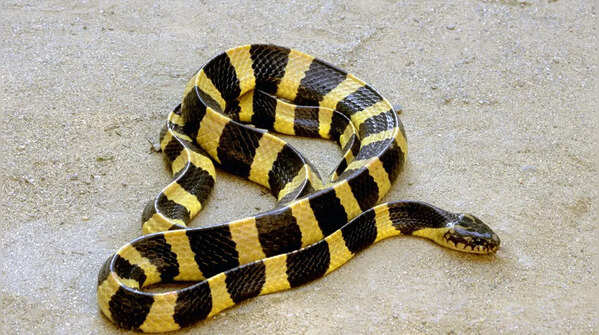
Banded Krait (Asia)
The Banded Krait is a relative of the cobra and is highly venomous. Its venom attacks the nervous system and may paralyse the victim forever.
What travellers should know
Kraits are mostly nocturnal and many bites are reported by accidentally stepping on them at night. So avoid going out at night.
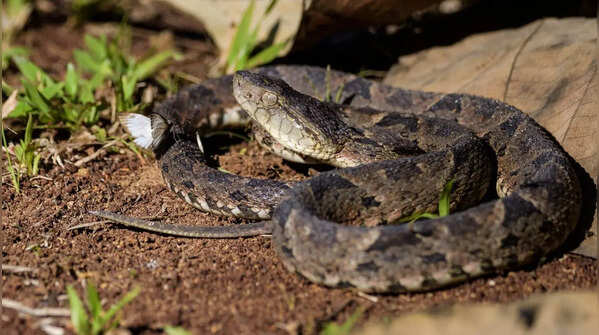
Fer-de-Lance (Central and South America)
The Fer-de-Lance is counted among the most dangerous snakes in Latin America because it’s venom causes tissue destruction.
What travellers should know:
Hikers and trekkers who venture into rainforest regions of Costa Rica and Brazil should wear ankle-covering boots. Always stay on the marked trail.
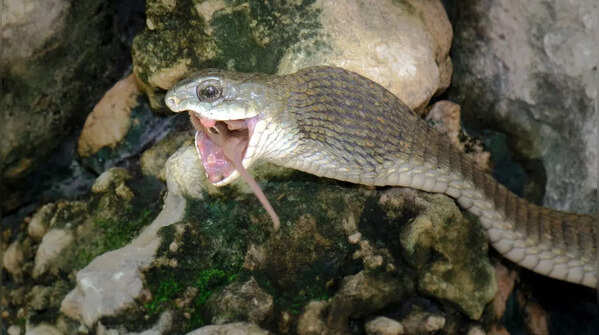
Boomslang (Africa)
The Boomslang may look innocent and harmless, but its venom can cause fatal internal bleeding. It’s one of those deadly snakes that hides in trees.
What travellers should know
Birdwatchers and trekkers in African forests should avoid touching branches or foliage.
Featured In lifestyle

MORE FROM ETIMES
life & style